
Rising Frequency of Weather-Related Disasters: A Global Concern
“Weather-related disasters” have seen a dramatic increase since the 1970s, according to the World Meteorological Organization. In fact, these incidents have multiplied by five over the last five decades . This alarming trend reveals the challenges posed by climate change and the urgent need for adaptability.
To illustrate this point, in the 1980s , around 1,400 weather events were recorded. This figure rose to slightly over 2,200 in the 1990s and reached an alarming 3,500 during the first decade of the 21st century . The most recent data shows 3,200 incidents reported from 2010 to 2019. These numbers depict a troubling trajectory, particularly as it relates to natural disasters like floods.
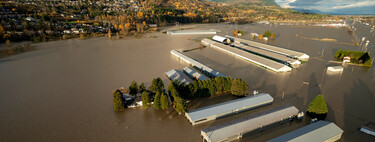
As we have recently observed, floods are becoming increasingly common. For each degree of temperature rise, the atmosphere can hold 7% more moisture. Unfortunately, humanity remains largely unprepared to address this escalating issue.
In what ways are we unprepared? The reasons are multifaceted, but they primarily include poor urban planning , sealed soil , and the occupation of flood-prone areas. Additionally, our infrastructure is often outdated and insufficient to handle these severe weather events. Numerous studies indicate that we have inadvertently created substantial problems for ourselves through these misguided decisions. You can read about some of these findings in this research paper: Rainfall, anthropogenic soil sealing, and floods.
The good news is that we can shift our approach to these challenges.
<img alt="There are more and more extreme meteorological phenomena. In return, they are leaving less victims than ever" width="375" height="142" src="https://i.blogs.es/60fa3c/inundaciones-buena/375_142.jpg"/>Denmark’s Innovative Solution is a beacon of hope. The capital, Copenhagen , is implementing a “city-sponge” strategy, which could provide valuable insights for other nations grappling with similar issues.
Three Steps to a Sustainable Future:
The first step is acknowledging that there is a problem. Copenhagen recognizes that the city may experience a 30% increase in rainfall by the close of the century, exacerbating the risks associated with sealed surfaces that prevent water infiltration.
This has financial implications . In 2011 , Copenhagen experienced severe rainfall that resulted in damages exceeding one billion euros .
The Next Step: Creating a Comprehensive Plan. Copenhagen’s strategy involves a harmonious blend of nature-based solutions and innovative engineering approaches. The main objective is to “absorb, infiltrate, store, filter, and reuse rainwater” to mitigate flood risks.
How will this be achieved? Here are several key initiatives:
- Permeable surfaces: Using drainage pavements and cobblestones with holes.
- Creating green areas: Planting more vegetation to enhance water absorption.
- Green roofs: Encouraging building designs that incorporate vegetation.
- Adapt existing ponds: Turning them into temporary retention areas.
- Drainage channels: Transforming ditches into effective drainage routes.
- Integrating infrastructure: Combining “gray” infrastructure like sewer systems to optimize stormwater management.
Third Step: Implementation. The idea isn’t entirely new, as China has already adopted similar practices as a national policy. However, actual implementation is often difficult. Copenhagen’s proactive measures only began after the 2011 disaster .
The Danish approach focuses on the long-term, with a Cloudburst Management Plan outlining 300 projects over 20 years . These improvements range from redesigning streets and parks to constructing new water management systems.
Is this the answer we seek? While it’s too early to tell, it is encouraging to see proactive steps being taken in cities like Copenhagen. The challenges we face from climate change require innovative solutions, and it is crucial that we learn from places that are pioneering new strategies. Adapting urban infrastructures may present hefty costs, but learning from successful models can potentially prepare our cities for a more sustainable future. The goal must be to evolve our methods to avoid the chaos wrought by climate change—there’s no better time than now to act.