
The European Union’s New Fuel Tax: What It Means for Consumers and Businesses
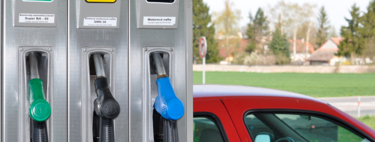
The European Union has recently announced a new tax designed to discourage fuel consumption, which inevitably leads to a significant rise in the price of gasoline and diesel . This change is not just a concern for daily commuters; it also directly impacts the cost faced by transportation companies. The implications are broad and multifaceted, affecting everything from individual budgets to national economics.
This reform stems from ongoing environmental initiatives aimed at reducing carbon emissions and combating climate change.
Understanding Emission Rights
This new fuel tax isn’t entirely unprecedented; it forms part of a broader package of eco-regulations that were first approved in 2018. The EU’s emissions trading system, commonly referred to as ETS2, will undergo alterations starting in 2027. The key change will be the introduction of a tax on fuels that emit CO2 while being consumed.
This tax will apply not only to the fuel burned in residential settings but also to transportation—both personal and commercial—that previously escaped such regulations. The undeniable outcome of this new measure is a predicted increase in gasoline prices .
<img alt="The oil market and fuel prices" width="375" height="142" src="https://i.blogs.es/12bbc6/guia-de-imagenes-destacadas-1-/375_142.png"/>How Will It Work?
Starting in 2027, fuel suppliers will be responsible for purchasing emission rights for carbon dioxide produced by the fuels they sell. For every ton of CO2 emitted from a particular fuel, a fee will be paid to the European Union .
A significant issue is the uncertainty surrounding the potential price increases we will face. Emission rights will be acquired through auctions, so their costs will be volatile. Currently, the most optimistic forecasts estimate around 48 euros per ton of CO2 , as reported by The Energy Newspaper. However, other analyses, such as those from Bloomberg Nef, predict that this could rise to 122 euros by 2030.
This hike may stem from increased demand and speculative trading on emission rights, as companies may stock up believing that prices will surge in the future.
<img alt="Gasoline quality differences" width="375" height="142" src="https://i.blogs.es/16e6f6/bp-gasolina/375_142.jpeg"/>What Should Consumers Expect?
<pWhen visiting the gas station, expect higher fuel prices. The big question is: How much higher will they be? It is anticipated that these new costs imposed on suppliers will trickle down to consumers. There’s uncertainty about whether this burden will be fully passed on to consumers or if suppliers will absorb some of the costs.
The European Commission forecasts that the increase will translate to about 0.11 euros per liter for gasoline and 0.13 euros per liter for diesel . Therefore, if you fill up a 50-liter tank, that could mean an increase of approximately five to six euros.
Other estimates may suggest an even more significant cost. According to distributors, the potential increase could range between 0.15 and 0.25 euros per liter for consumers. The final costs will depend heavily on how much suppliers incur for emission rights and how competitive the market remains.
<img alt="Gasoline vs diesel cars" width="375" height="142" src="https://i.blogs.es/11446c/sol/375_142.jpeg"/>The Hidden Cost of Living
Beyond the price at the pump, this new tax presents another significant concern: an overall rise in living expenses. Transport associations project potential hikes of up to 45 cents per liter for fuel, which can ripple through the economy.
Higher transportation costs mean that sellers will likely raise prices to maintain profit margins, directly affecting consumer goods. Fuel costs have a direct impact on inflation , as rising expenses are often passed on to consumers.
Furthermore, since the ETS2 also affects natural gas prices , it compounds the overall financial burden. The implication is clear: increased fuel prices will not only stir consumer wallets but also add pressure to the broader economy.
Growing Concerns for the Future
The potential inflationary impact is causing considerable anxiety. The Bank of Spain predicts that inflation rates might spike to 2.5% by 2027 after a more tempered year in 2026. In Belgium, projections indicate that the average household could see an annual increase of between 250 and 400 euros due to this new tax.
As part of the system, a market stability reserve has been established to control prices. The European Union may release emission bonds to manage serious spikes in prices. Additionally, a Social Fund for Climate (SCF) , amounting to at least 86.7 billion euros between 2026 and 2032 , is intended to support vulnerable families and small businesses impacted by this tax.
These substantial changes demand careful navigation, with various stakeholders looking at solutions to mitigate the effects. The road ahead will necessitate collective action and vigilance to ensure that the transition to a greener future is equitable across the board.