
Xiaomi’s Ambitious European Expansion Strategy: Insights from Munich
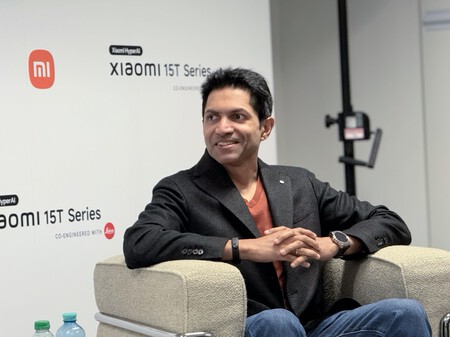
In a meeting room in Munich , a cohort of 30 European technological journalists gathers to hear from Zaheed Sabur , Senior Director of Engineering at Google Gemini, and Terrence Xiao , Senior Director of Product Marketing of Xiaomi. The setting buzzes with curiosity as they delve into not just the features of the Xiaomi 15T , but the broader implications of Xiaomi’s ongoing expansion into Europe.
The dialogue unfolds during the Question and Answers session following the presentation of the Xiaomi 15T, where discussions reveal the inherent friction in the Western expansion project of the Chinese brand. The first friction appears when Ireland is brought into focus. “The Xiaomi 15T Pro, featuring a periscopic telephoto lens with five optical zooms, will not enter the Irish market,” Xiao explains diplomatically, attributing the decision to “complicated factors, including local regulations and business choices.” This raises a crucial point : the fragmented European market remains a logistical and regulatory puzzle that even an ambitious company like Xiaomi struggles to navigate.
Zaheed Sabur. Image: Xataka.
When a Slovak journalist raises concerns about persistent bugs in the HyperOS , the room falls silent. Xiao assures the audience that resolving these issues is a priority but glosses over the reality that building a closed ecosystem akin to Apple’s demands a level of perfection in execution that Xiaomi hasn’t quite mastered yet. However, the progress made over the last decade is noted, painting a promising picture for the future.
The conversation shifts to advertising within the operating system. Here, Xiao offers a delicate balance: advertising facilitates competitive pricing (which is indeed true) but it also undermines the premium experience Xiaomi aims to deliver. This reflects a tension in their marketing strategy.
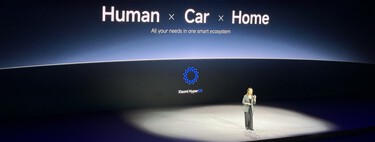
Sabur later addresses the topic of AI , stating emphatically, “Our priority is not about discovering the monetization plan, but rather to create actual value for the user.” This idealism masks the brutal reality: Google and Xiaomi are racing against time to validate the massive investments in AI before investors lose patience. Each of these giants, although capable of absorbing such costs due to diverse revenue streams, also faces immense pressure to show tangible results.
As Sabur explains the integration of Gemini into Xiaomi devices, he emphasizes Google’s intent to extend beyond the Pixel ecosystem while providing Xiaomi with AI capabilities, bypassing the prohibitively expensive internal development costs.
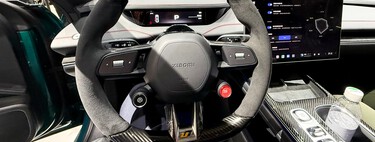
The discussion steers toward folding technology when Xiao denies any definitive plans to launch a new foldable model globally. This double denial may hint at uncertainty, especially with Samsung currently dominating the premium folding market in Europe. Xiaomi finds itself caught in a dilemma: should it release a product that risks cannibalizing traditional sales or let an entire segment slip away?
Next, attention turns to camera technology . The collaboration with Leica isn’t arbitrary; in a landscape where chips like MediaTek’s are nearly on par with Qualcomm’s best offerings, computational photography is one of the few areas left to differentiate. However, limitations persist. When a journalist asks why recording 4K at 60 fps while zoomed in isn’t possible, Xiao merely states, “The video recording experience is crucial to us,” avoiding discussions of real technical limitations that include image processing bottlenecks.
The most poignant question arises: Why not incorporate Qi 2 magnetic charging ? Xiao acknowledges receiving significant feedback on this, hinting that magnetic features could interfere with the complex antenna systems Xiaomi touts as differentiators. This showcases the struggle between engineering realities and consumer expectations.
The highlight of Xiaomi’s offline communication feature, capable of connecting devices up to 1.9 kilometers without a mobile network, raises eyebrows. This capability, while innovative, is primarily designed for markets with poor infrastructure, creating questions about its relevance in tech-savvy Europe, where 5G networks flourish. Is Xiaomi attempting to cater to everyone, inevitably leading to features that impress at presentations but are rarely utilized by the average user?
Ultimately, Xiaomi’s best play isn’t the 15T. It’s within its ecosystem—like the impressive 502-liter Mijia fridge and smart washing machine powered by AI . Terrence hints at the importance of ecosystem synergy, indicating that each device reinforces the others, ramping up the psychological and financial investment needed to shift brands.
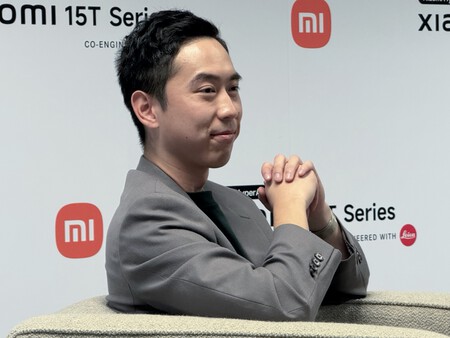
Terrence Xiao. Image: Xataka.
However, a final paradox emerges: Xiaomi needs consumers to trust its brand enough to invest in heavy appliances like an 85-kilo washer, yet it struggles to assure users that lingering software bugs will be resolved swiftly—a tall order asking for faith in technology. The Munich presentation wasn’t solely about cutting-edge phones or Leica cameras ; it highlighted Xiaomi’s quest to conquer European homes, grappling with cultural, regulatory, and technical complexities in a continent that still harbors suspicions about technology from the East, though this sentiment is gradually subsiding. The 15T is impressive, undoubtedly, but it serves as merely a Trojan horse for something far more ambitious, and precisely because of this, much more uncertain.