
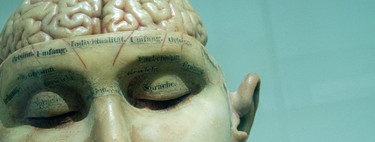
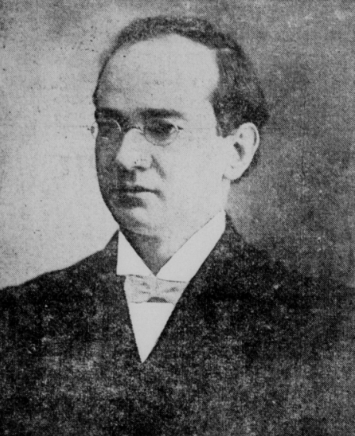
The question of the weight of the human soul has tantalized humanity for centuries, provoking curiosity and awe. The inquiry culminated in a now-infamous series of experiments conducted by Dr. Duncan Macdougall , a physician from Haverhill, Massachusetts, in the early 20th century. His work delved into a realm where science and mysticism intersected, sparking debate that still lingers today. Macdougall’s hypothesis was audacious: if the soul exists, it must have weight, and therefore, a measurable loss should occur upon death.
A Scaled Experiment
To validate his hypothesis, Macdougall devised a unique setup: a bed mounted on a scale that could detect minute differences in weight, down to five grams. His methodology, though ethically questionable, aimed to measure the weight of patients immediately before and after death. Macdougall chose six terminally ill patients for his experiment, each suffering from debilitating illnesses. In this grim endeavor, he reasoned that their final moments would provide a precise measurement of weight loss coinciding with the soul’s departure.
Between 1901 and 1907 , Macdougall conducted his series of experiments. The first patient, who had tuberculosis, was said to have lost 21.26 grams at the moment of death. This measurement became the cornerstone of his argument, leading him to claim that the soul literally weighs 21 grams. However, subsequent measurements from the other five patients were fraught with complications. There were issues with recording weight accurately, inconsistent results, and even technical malfunctions that led to unreliable data.
Scientific Scrutiny and Criticism
Macdougall’s results were met with skepticism from the scientific community. Critics pointed out the lack of a control group and the small sample size. The real scientific validity of the findings was heavily questioned, with many declaring the experiment to be based more on anecdotal evidence than on established scientific principles. Dr. Augustus P. Clarke argued that physiological changes, such as temperature shifts and muscle contractions during death, could account for the observed weight differences, undermining Macdougall’s conclusions.
Undeterred by criticism, Macdougall took his theories further by conducting similar experiments on animals, convinced that humans possess souls while animals do not. He attempted to demonstrate his theories using terminally ill dogs. However, critics argued that his methods were fundamentally flawed, as he might have induced death through unethical practices, such as administering poison to healthy dogs to achieve the desired results.
The Legacy of 21 Grams
Despite the significant pushback from the scientific community, Macdougall published his findings in the journal American Medicine , alongside an article in the New York Times . His initial claim that the soul weighed 21 grams became the stuff of legend, permeating popular culture through literature, film, and art. The title of the movie 21 Grams by Alejandro González Iñárritu is a cinematic exploration of this very concept, further cementing its place in the collective consciousness.

In subsequent studies, other researchers attempted to replicate Macdougall’s methodology. Some even found weight changes in animals after death, but intriguingly, these studies reported weight gains rather than losses. Regardless of science’s efforts to dissect and refute Macdougall’s claims, the concept of the soul carrying physical weight remains a compelling idea that evokes introspection and conversation about the nature of existence.
In retrospect, Duncan Macdougall’s work exemplifies a peculiar intersection of science and spiritual inquiry. While his experiments may not have yielded scientifically robust conclusions, they undoubtedly sparked curiosity and debate about themes that have enthralled humanity for ages: the nature of the soul, life after death, and what it truly means to be human. His legacy serves as a reminder of the lengths to which people will go in order to understand the profound mysteries of life and death.