
Senate’s Rejection of Presidential Veto on Disability Emergency Law
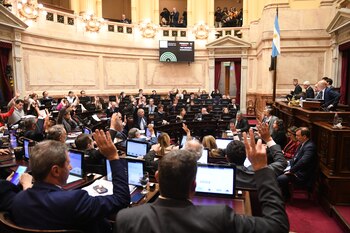
In a session marked by political tensions and amidst the controversy surrounding the National Disability Agency (Andis), the Senate of the Nation voted decisively on Thursday to overturn President Javier Milei’s veto of the Emergency Law in the Disability Area. This norm had received overwhelming support across both chambers and is now back in force, a significant political setback for the executive branch not seen in over two decades.
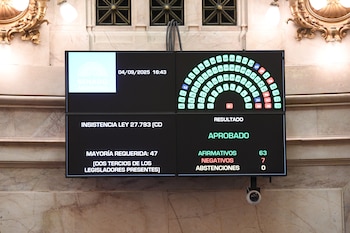
The legislative body recorded 63 votes in favor and just 7 against, effectively nullifying the Executive’s decision. This action affirms the declaration of emergency in disability until December 31, 2026, which can be extended for another year. Importantly, this law aims to reform non-contributory pensions, update tariffs, and provide economic compensation among other crucial issues relevant to individuals with disabilities.
During the heated debate, Senate members of different parties launched sharp criticisms against the national government, expressing strong discontent not only over the veto but also due to incriminating audio recordings from Diego Spagnuolo, former head of Andis, which suggest irregularities and bribes. Opponent lawmakers conveyed a clear message: there is a deliberate exclusion policy against individuals with disabilities. Meanwhile, representatives from the ruling party attempted to frame the veto not as an act of exclusion, but rather as a measure of “management”.
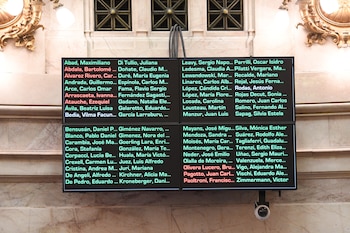
During the voting process, notable figures like Maximiliano Abad from the Radical Civic Union and Juliana di Tullio from Citizen Unit emerged as prominent supporters of the law, stressing the urgent need for policies that uphold the rights of people with disabilities. The political landscape is increasingly shifting as various factions rally behind the notion of inclusivity and rights for all citizens.
Further complicating matters, the discussion revolved around sharp criticisms leveled at the government’s current direction. Many legislators echoed the sentiment that therapies for individuals with disabilities are not privileges but fundamental rights guaranteed by the Constitution. A prominent voice was Senator Guadalupe Tagliaferri, who emphasized that “therapies are not privileges or caste; they are tools for freedom.”
The implications of this vote are likely to cause ripples in the political landscape over the coming weeks. In the face of public outcry and the pressing need for accountability, the remark made by Senator José Mayans resonates loudly: “The representatives of the people told President ‘until here’.”
The Senate has sent a forceful message that highlights the significance of protecting the rights of the most vulnerable. The discussions held during this session reiterate the importance of legislative support for therapeutic services, ensuring they remain accessible for those who rely on them.
Ultimately, the reinstatement of the Emergency Law in Disability not only reinstates essential protections and support for individuals with disabilities but also reinforces a framework for inclusive governance in Argentina. The long-term effects will undoubtedly extend beyond the walls of the Senate and into the lives of countless individuals seeking recognition and support.