
The Ukraine War and the elongated shadow of Putin have not only reactivated the debate on military spending in NATO but also revived a term that has long been considered taboo in many parts of Europe: ‘military service.’ Germany has taken a significant step by deciding to reinstate military service, a move that has been absent in the country since 2011. The German government has launched legislative measures to introduce a military service based on a voluntary recruitment system , although officials have indicated this could change if the armed forces fail to expand at the desired rate.
The starting goal is ambitious. The German government aims to bolster national defense in the wake of escalating geopolitical tensions that include Russia’s actions in Ukraine. On this front, the government, led by Friedrich Merz , recently approved a bill aimed at reopening military service as a means of enhancing Germany’s defense capabilities. This decision comes on the heels of months of debate about military preparedness in Europe, signaling a shift in how countries consider military service. The timing of this announcement also carries symbolic weight, as it was made during a cabinet meeting at the Ministry of Defense , marking a departure from practices that have been dormant for decades.
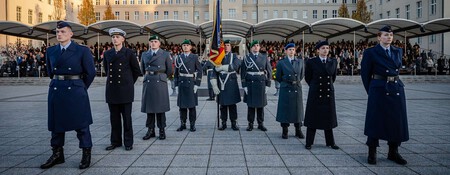
So, what exactly is the government trying to accomplish? Initially, it aims to implement a voluntary military service . Foreign Minister Merz has hinted that if the government fails to meet its objectives within a few years, they may explore avenues for increased mandatory commitment. Starting soon, letters will be sent out to individuals born from 2008 onward, querying their interest in military service. The questionnaire will also probe their academic background and health status.
Those who express interest will undergo a medical evaluation. If cleared, they will enter a military service term lasting at least six months, with provisions for extension. This program will also provide financial compensation. Selected candidates will have the option to choose which branches of the military they want to serve in, including the navy , army , air force , and special units specializing in cyberspace operations.
What more do we know? The timeline for implementation is also emerging. The law still requires parliamentary approval, but Merz has expressed confidence that the new military service could be established as early as 2026 . It’s crucial to note that there will be a discrepancy between how men and women are treated in this initiative. Both genders will receive the initial questionnaire, but men are required to respond unless they wish to face fines.
In clarifying this discrepancy, the historical context is worth noting. Before 2011, military service was rendered obligatory only for men, and shifting the obligation to include women would necessitate constitutional amendments, making the process more complex.
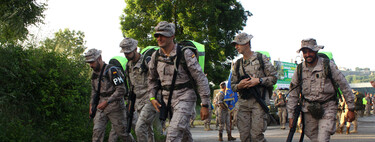
Will this always be voluntary? This question looms large in discussions surrounding the new military service. Currently, the plan is to maintain a voluntary framework. However, Merz has opened the door to a potential shift toward mandatory service should recruitment goals not be met. The law has built-in provisions that will allow the review of recruitment strategies without necessitating new geopolitical contexts.
The debate around the voluntary versus mandatory nature of this service has ignited tensions among the political factions in the country. Conservatives advocate for measures that would enable quicker recruitment if deemed necessary, with some even campaigning for a return to mandatory military service. Conversely, others argue that the Bundeswehr (Germany’s armed forces) would see greater interest if it could improve working conditions for young Germans.
In light of this debate, Minister Boris Pistorius has assured that the government is striving to enhance the conditions for recruits. Plans include raising the salary to approximately €2,300 , along with covering accommodation and medical insurance expenses. This initiative aims to render military service a more attractive option for young people. Furthermore, starting in 2028 , a compulsory medical examination will be implemented for all youth aged 18 to 25, allowing the military to gauge the pool of available recruits.
But what is the overarching goal? Essentially, it is to bolster and reinforce national defense capabilities. Currently, the German military comprises around 183,000 active personnel , and the German government aims to increase this number to 260,000 by the start of the next decade—figures that NATO considers adequate for national security. Addressing recruitment targets poses a significant logistical challenge for public administration.

Why is this happening now? Geopolitical factors largely motivate this move. The primary concern is the threat posed by Russia , especially in light of its aggressive actions in Ukraine since 2022. Additionally, past international relations, notably the stances taken during Trump’s presidency , have compelled European nations to reconsider their military commitments. Merz has underscored that the security situation in Europe, influenced by Russia’s aggressiveness , demands military growth and readiness.
Is Germany unique in this regard? Not at all. In recent years, there has been a notable discourse surrounding military service reintroduction throughout Europe. Following the invasion of Ukraine in 2022, countries like Lithuania and Ukraine quickly began reinforcing their military service, followed by Latvia and Sweden . The military service debate is also stirring political discussions in countries such as Denmark and France, while Spain stands firm against reinstating military service, which was eliminated in 2001.
Images sourced from Resolugesupportmedia (Flickr) and the Bundeswehr highlight the evolving landscape of military sentiment in Europe.
In summary, Germany’s decision to refresh its military service aims to modernize and bolster national defense in a volatile geopolitical climate, marking a seismic shift in Europe’s approach to military recruitment amidst increasing tensions with Russia.