
Innovative Driving Solutions: The Rise of Dàijià in China
Forget everything you know about traditional taxis and VTCs . In China, the latest trend is not renting a vehicle with a driver but rather hiring a driver to operate your own car. This revolutionary service is particularly popular among those who might indulge in a night out. The concept seems perfect for social gatherings and ultimately aims to prioritize safety.
Hello, I need a driver. This innovative service requires customers to request a driver through a mobile app that utilizes geolocation technology. Once the request is confirmed, the designated driver arrives shortly afterward. This service, known as Dàijià (代驾), which translates to “designated driver,” has been gaining traction in the country for years. Such applications have proliferated, adapting to the needs of modern urban life.
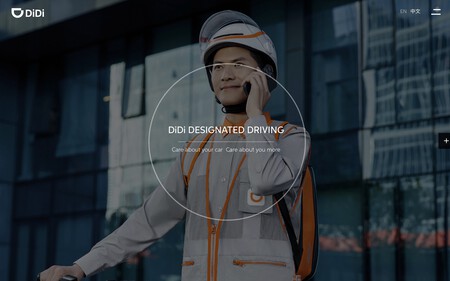
Skateboards. Interestingly, the driver typically arrives on an electric scooter or compact electric bicycle, allowing for quick navigation throughout the bustling city. Upon reaching the customer’s vehicle, the driver folds the scooter and stows it in the trunk. After transporting the customer to their destination and parking the car, the driver retrieves the scooter and departs. This efficient model showcases how cities can innovate to meet modern demands.
If you drink, don’t drive. China has stringent laws surrounding drunk driving , and penalties have become significantly harsher since 2011. Offenders face heavy fines, potential suspension of their driving license, and in some cases, even prison time. This legal framework underlines the cultural importance of using designated drivers, especially after social drinking occasions.
A social conflict. Drinking holds a prominent place in Chinese culture, particularly within the business landscape. Wine or toast rituals are a traditional way to cultivate trust and camaraderie among associates. A popular toast, “Ganbei” (干杯), translates to “empty cup,” signaling participants to finish their drinks, often as an act of respect. This cultural norm emphasizes the need for safe transportation options following social gatherings.
A perfect solution. The inherent conflict between the pressure to drink and the responsibility of driving has led to the widespread adoption of Dàijià services. A recent statement from the Ministry of Public Security revealed a significant drop in traffic-related fatalities over the past decade. Li Jiangping, the director of the Traffic Management Office, noted that this positive trend is remarkable given the 89% increase in the number of motor vehicles and a 123% rise in drivers since 2011.
Millions of journeys. According to the ministry, incidents involving three or more fatal victims dropped by 59.3% since 2012. The increasing use of designated driver services, now averaging 200 million requests annually, has significantly contributed to this decline, showcasing how technology can enhance public safety.
Two giants compete in China for that market. The Dàijià market in China is predominantly controlled by two major players. The first is e-Daijia, which gained traction in 2011 by offering these services to millions of users. By 2015, it held a staggering 90% market share until Didi launched its own Didi Daijia service, integrating it within its existing app. This intense competition has led to a price war that ultimately benefits the users, who now enjoy a safe and unique alternative to traditional taxi and VTC services.
Image | Didi
In conclusion, the rise of Dàijià services in China marks a significant shift in how society approaches transportation, particularly in social contexts where drinking is celebrated. By fostering safety and convenience, these services not only provide an alternative for social drinkers but also promote responsible behavior, substantially reducing the risks associated with drunk driving. The innovative fusion of technology and cultural practices makes Dàijià a prime example of evolving urban services in contemporary society.