
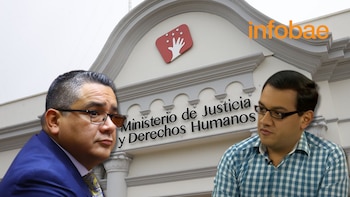
The Controversial Beginning of Juan José Santiváñez as Minister of Justice
The leadership of Juan José Santiváñez as the newly appointed head of the Ministry of Justice has been characterized by a flurry of high-profile meetings and controversial associations. His first few days in office have sparked concerns, particularly due to his connections to individuals with contentious pasts. Most notably, Santiváñez’s schedule included meetings with those linked to criminal activities.
According to the Ministry of Justice’s visit records, one of Santiváñez’s earliest encounters was with Carlos Alberto Camacho Sánchez, a name that has resurfaced amid allegations of ties to illegal activities. Camacho, who previously worked at the Ministry of Interior under Santiváñez, was labeled as an alleged advisor despite lacking formal qualifications.

While the meeting with Camacho raised eyebrows, Santiváñez’s relationship with Rodolfo Orellana, a lawyer accused of leading a criminal network involving land trafficking, money laundering, and other serious offenses, has become a focal point of concern. Reports indicate that Camacho served as a spokesperson for Orellana and has been linked to multiple illegal operations. This connection inevitably puts Santiváñez under scrutiny just as he embarks on his ministerial responsibilities.
Additionally, independent media outlets have suggested that Camacho initiated a leak to Santiváñez concerning a report’s guidelines from the show Cuarto Poder prior to its release. This act led to the Prosecutor’s Office initiating an investigation against Santiváñez for allegations of wrongful information interception.
Meeting High-Profile Connections
In Santiváñez’s first two days as Minister, a notable guest was Kira Alcarraz, a congresswoman from Somos Peru who has vocally supported Santiváñez in the past. This meeting, however, comes amid a backdrop of skepticism regarding his choices in appointments and collaborations.
Camacho was already in the public eye while associated with Ministry of Interior events back in September. His appearance raised questions about the nature of his relationship with Santiváñez, who has further complicated matters by remaining reticent about these meetings. Reports reveal that Camacho was also involved in various official roles with other government entities, often appearing as a representative of the Mininter.
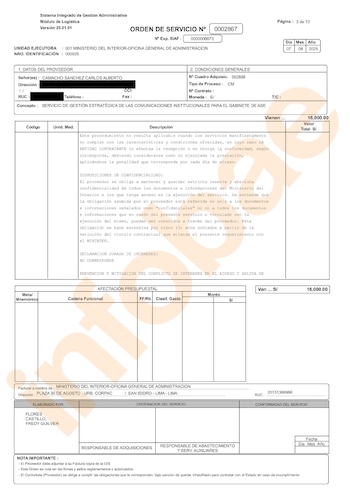
Official documentation reveals that Camacho was operating under a contract with the Ministry of Interior, being compensated for what is described as “strategic management services in communication issues.” The implications of this arrangement further entangle Santiváñez in a network of controversies surrounding his early decisions in office.
Moreover, the sensitive nature of Camacho’s work comes into play as there exists a confidentiality clause regarding his duties within the ministry. This discourages any parties from disclosing information about his specific functions, limiting transparency concerning his operations and associations.
In the ever-evolving landscape of Peruvian politics, the relationships and past connections of public figures can significantly affect their credibility and authority. The scrutiny around Juan José Santiváñez not only addresses his ability to navigate a complex political environment but also highlights the importance of ethical considerations when in positions of power.
As Minister of Justice, Santiváñez’s approach will be closely monitored, particularly in light of the associations he fosters during his tenure. His connections raise essential questions about accountability, transparency, and the integrity of public service in Peru. Ensuring that the ministry operates free from corruption and influenced individuals will be crucial to restoring public confidence.
The unfolding details surrounding Juan José Santiváñez and his early decisions reveal the intricate balancing act required of leaders in today’s political landscape. Coupling the need for competent administration with ethical diligence will determine not only his legacy but also the broader implications for the governance of Peru.