
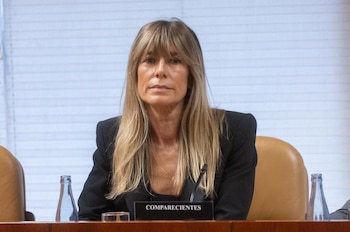
Latest Developments in the Begoña Gómez Case
Begoña Gómez, the wife of Spain’s Prime Minister Pedro Sánchez, is in the headlines following legal proceedings against her. Her lawyer, Antonio Camacho, has officially requested that Judge Juan Carlos Peinado postpone a scheduled hearing set for September 11. The reason cited is a conflicting obligation in Arona, Tenerife on the same day.
This development comes as Gómez has been implicated in an alleged crime of embezzlement connected to her hiring of Cristina Álvarez as a personal advisor while working in Moncloa. The information was made public through a letter obtained by Europa Press, outlining Camacho’s formal request to the Court of Instruction Number 41 in Madrid.
Implications of the Legal Proceedings
The letter emphasizes that the defense team believes it’s crucial to reschedule the hearing, ensuring that Gómez can attend without conflicting obligations. Camacho’s request argues for the postponement, making it clear that the issue of scheduling is imperative.
In the letter to Judge Peinado, Camacho notes, “This lawyer has indicated, prior to the indication made by the aforementioned order of August 18,” asserting the need for a new date for testimony that accommodates both legal proceedings and Gómez’s obligations.
The request also included pertinent documentation from the Canary Court, affirming the scheduled hearing time for Gómez. This indication demonstrates that the legal complexities involved are ongoing and subject to change, highlighting the intricacies of the Spanish judicial system.
An Overview of the Allegations
The allegations against Begoña Gómez encompass several serious accusations, including influence peddling, business corruption, and improper appropriation of intellectual property. This legal drama unfolds within a context that involves multiple lines of investigation, each suggesting potential misconduct linked to her activities as a director of a chair at the Complutense University.
Gómez’s involvement in these investigations highlights ongoing scrutiny concerning her influence and the ethical implications of her professional relationships. The accusations have been tied to the oversight and management she held over her professional responsibilities, including her hiring practices.
On August 18, Judge Peinado shifted the legal stance by formally charging Gómez with embezzlement. Previously, there appeared to be a reluctance to investigate her deeply. The Judge rerouted initial neglect of the claims surrounding her, invoking heightened scrutiny under the law.
Public and Political Reactions
The response to these allegations has been significant both within and outside political circles. Critics of the current government have seized this moment as an opportunity to question the integrity of Prime Minister Sánchez’s administration. Many are now calling for transparency and accountability, urging that the legal processes run their course without interference.
While Begoña Gómez remains an influential figure through her marriage to the Prime Minister, the rising allegations present a convoluted challenge to her public persona. From the scrutiny she faces, one could argue that the implications extend beyond her personal life, possibly affecting her husband’s political fortunes.
Opponents within the political landscape view these allegations as an entry point to critique the governing coalition, arguing that the integrity of public officials must remain above reproach. The potential fallout from this case could alter the landscape of Spanish politics as the investigation unfolds.
The Broader Context of Corruption Investigations
Gómez’s case is part of a broader narrative surrounding the issue of corruption within the Spain’s political realm. This situation has added urgency to calls for reform and greater oversight of governmental practices. The scrutiny on public officials highlights the increasing demand for ethical behavior and accountability in the face of allegations against political figures.
As the investigations into Gómez progress, they serve as a reminder of the challenges faced by those in power. With various lines of inquiry stemming from her professional history, the case raises important questions about the intersection of personal conduct and public duty.
The general public closely watches these proceedings, understanding that they could set a precedent for how cases of alleged embezzlement and corruption are handled in the future.
While Begoña Gómez awaits further legal proceedings, the implications of her case resonate significantly within the broader context of public trust in government.
In conclusion, the ongoing legal issues surrounding Begoña Gómez reflect a deepening concern regarding transparency and integrity among public officials in Spain. As the situation continues to develop, the coming weeks will be pivotal in determining not only her fate but also that of public confidence in the current administration.