
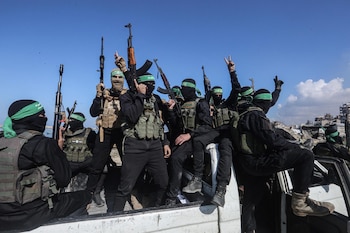
Israeli Army Confirms Death of Hamas Member Linked to Kidnapping
On October 7, 2023, the world witnessed a dramatic escalation in the ongoing conflict between Israel and Hamas, culminating in mass kidnappings and extensive violence. Among the many tragic stories that emerged from this period, one stands out due to its implications for both families and international relations. Recently, the Israel Defense Forces (IDF) announced the death of Yihad Kamal Salem Nayar, a member of Hamas who played a role in the kidnapping of former Israeli soldier Yarden Bibas.
Details of the Operation
In a statement released on social media, the IDF confirmed that Nayar’s death occurred during a targeted operation on August 10, 2023. This operation was a collaborative effort with Israeli intelligence, emphasizing the high stakes involved in the military’s attempts to neutralize individuals linked to high-profile kidnappings. Yarden Bibas was among those kidnapped during the October attacks, an ordeal that not only captured public attention but also added layers of complexity to the ongoing conflict.
Bibas was ultimately released in February 2024 as part of a high-stakes ceasefire agreement between the Israeli government and Hamas. This agreement marked a momentary pause in hostilities but left many questions lingering regarding the fate of others still in captivity. The tragic losses suffered by Bibas also underline the human cost of these conflicts.
The Impact on Families
The story of the Bibas family represents the heart-wrenching collateral damage of war. While Yarden was released, his wife, Shiri, and two young children, Ariel and Kfir, were not as fortunate; they were kidnapped and perished during their captivity. The return of their remains to Israel prompted a wave of sorrow and anger, drawing thousands to the funeral held for the Bibas family. Here, the emotional weight of losing loved ones became increasingly apparent as grieving family and friends gathered to pay their respects.
The ceremony highlighted the broader implications of the ongoing conflict. In addition to the immediate grief of the Bibas family, the incident sparked outrage and frustration among the Israeli public who felt that the government’s handling of negotiations and agreements with Hamas was inadequate and led to disastrous outcomes.
Controversy Over Remains
The case of the Bibas family grew even more convoluted when the Israeli authorities claimed that Hamas had violated the previously agreed-upon terms. Initially, the corpse of an individual purported to be Shiri was delivered, but it did not match the description or DNA required for verification. Just one day later, however, the IDF confirmed a second delivery of remains, which fit the criteria needed to identify Shiri. This back-and-forth led families of hostages to question the reliability and integrity of the ceasefire agreements, creating an atmosphere of mistrust.
Moreover, the response from the Israeli government labeled Hamas’ actions during the body delivery as “repulsive and horrendous.” This language illustrates the depth of animosity and the complex dynamics governing the relationship between the two sides, where agreements can quickly devolve into accusations and blame.
Broader Implications
The tragedy of the Bibas family underscores the ongoing tension and complexities of Israeli-Palestinian relations that continue to escalate with every incident. As both sides grapple with the pain of loss and the quest for national security, it is evident that families like the Bibas are often left to bear the brunt of these conflicts. The emotional aftermath of such events can reverberate through generations, creating a cycle of grief that complicates prospects for peace.
The announcement regarding Yihad Kamal Salem Nayar should not merely be seen through the lens of military success; rather, it must be viewed as part of an ongoing struggle that sees innocent lives collateralized in the pursuit of broader objectives by both sides.
As we reflect on these events, the focus must turn toward diplomatic solutions and dialogue aimed at finding a peaceful resolution. The stories of families like the Bibas and the implications of actions taken by militant groups must serve as reminders of the human aspect that is often overshadowed by political narratives. Repeated cycles of violence promote suffering that impacts not only individuals but whole communities.
In such complex conflicts, the solution often extends beyond military endeavors. Dialogue, compromise, and a commitment to peace are the only viable pathways forward to prevent further loss and suffering.