
Tragic Passing: Miguel Uribe Turbay and the Outcry over Political Turmoil in Colombia
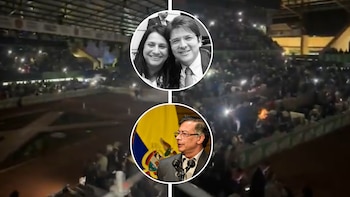
On August 9, 2025, tragedy struck Colombian politics when Miguel Uribe Turbay, a promising presidential candidate and senator for the Democratic Center, was fatally attacked. The shocking news reverberated through social media as Paola Holguín, a close colleague and supporter, posted a video from the Equine Expo Feria de las Flores 2025 in Medellín, which took place just two days before Uribe Turbay’s death was confirmed.
The uploaded video shows attendees at the event chanting “Out Petro!”—a clear sign of public discontent towards the current president, Gustavo Petro. The political atmosphere in Colombia has been increasingly polarized, especially following the announcements regarding Uribe Turbay’s health, which had declined despite receiving ongoing medical care.
The Equine Expo: A Call for Change
Holguín’s video emphasized the collective frustration of the crowd towards the president. Along with the visual evidence, she commented, “Medellín Equine Fair: Out Petro.” The expressed sentiments at this event highlighted not only dissatisfaction with governmental policies but also underscored the tensions in Colombian society, provoked by the prevailing political climate.
Public resentment towards Petro escalated after the Colombian president delayed issuing a statement following Uribe Turbay’s confirmed death, leading many to deem it as a lack of respect for the deceased and his supporters. The polarizing political environment in Colombia intensified further after Uribe’s shocking assassination, leaving many questioning the effectiveness of the current government.
Mourning and Reflection
Following the tragic event, the Elliptical Hall at the National Capitol of Colombia in Bogotá became the site for mourning. Uribe Turbay’s coffin arrived around 9:00 PM on August 11, where mourners—including family, close friends, and colleagues from the Democratic Center—gathered to pay their respects. Despite the somber occasion, only two notable figures from the national government attended: Interior Minister Armando Benedetti and the director of the Administrative Department of the Presidency of the Republic, Angie Rodríguez.
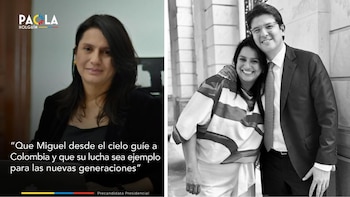
On August 12, another tribute emerged when Holguín posted on Instagram, stating, “That Miguel from the sky guides Colombia and that his fight is an example for the new generations.” This heartfelt message resonated with many, reaffirming the impact Uribe Turbay had on his supporters and the current discourse surrounding political violence in Colombia.
A public outcry was palpable during the wake and subsequent public gatherings. Residents of Bogotá, particularly neighbors near the El Golfito Park (where the assassination took place), organized a Vigil to honor Uribe Turbay. Many carried white candles as symbols of peace and unity in their discontent, chanting “Out Petro!” This event was marred by the absence of significant government representation, igniting further anger among attendees.
A Political Vacuum and Calls for Accountability
Gustavo Petro, in his official message after Uribe Turbay’s death, expressed condolences and emphasized that “life is above any ideology.” However, many viewed this as too little, too late. Critics have called for a more thorough investigation into the circumstances surrounding the incident, with Petro facing mounting pressure to respond effectively to public concerns about safety and political violence.
Petro declared that the government would not tolerate attacks on any politician, regardless of their political affiliations. He mentioned that the investigation would involve international experts to ensure thoroughness and impartiality.
The political unrest following these events highlights a critical moment for Colombia. With the fragility of the political landscape laid bare, questions loom over the future direction of the country. As citizens look toward leaders for more than just words, the actions taken in the aftermath of such tragedies will significantly influence the direction of Colombian politics in the near future.
The combination of loss, grief, and political unrest creates a complex narrative that will likely shape the public discourse for years to come. The legacy of Miguel Uribe Turbay is bound to spark conversations about accountability and governmental responsibility—the pressing need for change persists in the hearts of many Colombians.