
In the midst of the funeral acts of Senator Miguel Uribe Turbay, members of the high spheres of Colombian politics issued several pronouncements through their social networks, expressing regret over this tragic magnicide and addressing the implications of such an event in terms of responsibility and safety.
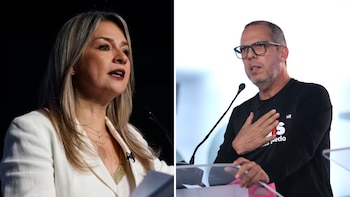
One of the most vocal personalities in the 24 hours following the news has been presidential candidate Vicky Dávila . Her involvement in the political discourse surrounding this incident highlights the tension and urgency that envelops Colombian politics today.
Now you can follow us inFacebook and in ourWhatsApp Channel
In addition to her posts on social media, on the morning of August 12 , Dávila took the opportunity to critique Alfredo Saade , chief of government under Gustavo Petro. Saade’s inflammatory remarks comparing the senator’s assassination to the innocuous risks of riding a bicycle drew fierce condemnation from various fronts. Dávila’s response indicates the depths of her frustration and the potential for political fallout from such comparisons.
During her discussion with *The FM*, Dávila did not hold back in expressing her disapproval of Saade’s comments. Her passionate remarks cut through the usual political rhetoric, exposing the raw emotions felt in the wake of this tragedy. When asked about such analogies, she remarked, “He is a stupid, he is an infamous guy, he is an indolent. One should not even register what this guy does; it is the absolute degradation of what this government does. Why don’t they shut up? Why don’t they tell him that no more? Why don’t they tell him that he does not injure this country anymore? I can’t say anything else (…) It is a Mequetrefe.”
The death of Senator Uribe Turbay has not only shocked the nation but also reignited debates about security and the role of politicians in safeguarding public safety. Dávila’s critique adds a layer of complexity to the political narrative, exposing the fractures within the government that could potentially lead to a reevaluation of political dialogue in Colombia.
As Dávila and other political figures express their outrage, it becomes increasingly important to consider the broader implications of such events. The escalating violence against public officials raises critical questions about the state of democracy in Colombia. Is the political landscape polarized to a degree that compromise and cooperation seem impossible? Or is there room amid this turmoil for a renewed commitment to democratic principles?
Moreover, the incident highlights the often-overlooked emotional toll that such tragedies take on families, friends, and colleagues of the victims. For many, the death of a political leader transcends the news cycle, impacting communities and their trust in government. Dávila’s responses are not merely reactions to a single tragic event; they reflect a sentiment shared by many Colombians who yearn for stability and safety in their lives.
The landscape of Colombian politics is continually evolving, and each event serves to mold the future discourse. As Dávila’s impassioned criticism reverberates through social media and political forums, it calls upon citizens to engage with the unfolding narrative actively. Political polarization may fuel conflicts, but it can also be a catalyst for change. The conversations surrounding the aftermath of Uribe Turbay’s assassination hold the potential for a new chapter in Colombia’s political saga.
With strong voices like Dávila’s rising to the forefront, there appears to be a collective acknowledgment that the political elite must not only offer words of condemnation but also actionable solutions. The discussions that follow must advocate for effective measures to ensure the safety of public figures and the ordinary citizens they represent. Dávila’s remarks’ intensity signals the need for immediate attention to address rising violence in the nation.
As the mourning period unfolds, the essence of political engagement must evolve. Awareness should spread not only of the pain inflicted by violence but also of the potential for unity and healing in a fragmented society. Colombia stands at a crossroads, and the actions of its leaders will shape its trajectory for years to come.
The assassination of Miguel Uribe Turbay serves as a painful reminder of the ongoing challenges that Colombian society faces. The responses from political leaders directly influence how citizens engage with their government and each other in meaningful dialogue. As emotions run high, it is time to reflect on the role of politics in promoting peace, safety, and a shared vision for Colombia’s future.