
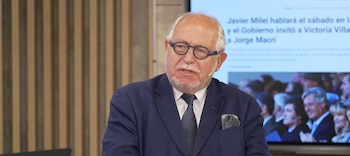
Diego Guelar’s Striking Critique of Mauricio Macri: The Fall of PRO and the Controversial Alliance with La Libertad Avanza
In a recent radio interview that has garnered significant attention, Diego Guelar, a former ambassador and current candidate for national senator for Buenos Aires, unleashed a barrage of sharp criticism against former president Mauricio Macri. The focus of Guelar’s ire was Macri’s handling of the PRO, particularly in light of recent electoral defeats and a contentious alliance with La Libertad Avanza (LLA), led by president Javier Milei.
During his appearance on Radio “Con Vos,” Guelar did not hold back. He openly blamed Macri for the decline of the PRO, suggesting that the former president was primarily responsible for the party’s recent setbacks. “Mauricio Macri, without a doubt, is responsible. To be clear, I will say it: A reverend son of a bitch,” he stated emphatically. This unapologetic insult drew gasps from interviewers and emphasized Guelar’s frustration with Macri’s decisions, particularly the recent coalition with Milei’s party.
Guelar described the situation as a missed opportunity, comparing Macri’s political missteps to those of historical figures like Juan Domingo Perón and Hipólito Yrigoyen. “You did not understand that you were on the horse of history. Mauricio Macri had the kind of chance afforded to leaders like Perón or Yrigoyen, and he blew it,” he asserted. His commentary raises questions about the leadership style and decision-making of Macri, especially at crucial political junctures.
In the interview, Guelar continued to express disbelief at Macri’s choices. “What the hell happened to you? Don’t know,” he exclaimed, hinting at a deeper dissatisfaction with what he sees as Macri’s failure to engage with the electorate effectively. It’s a sentiment that resonates with many in the PRO, as they question the wisdom of aligning themselves with radical libertarians while sidelining their own party’s identity.
Citing personal accountability, Guelar remarked, “Perhaps his goal is to be Bridge’s world champion,” alluding to Macri’s evident lack of focus on his party’s foundational ethos. In his view, this alliance has not only been detrimental to the PRO’s reputation but has also artificially diminished its presence in the political arena.
If you look at the recent history of PRO, Guelar’s comments reflect broader tensions within the party, especially following the electoral defeat in Buenos Aires on May 18. The fallout from the alliance with LLA has left many party members feeling disillusioned, themselves lamenting the loss of identity that Macri’s partnership represents.
What the hell happened to him?
The backlash against the alliance has been echoed by other prominent figures within the PRO. Horacio Rodríguez Larreta, a former head of the Buenos Aires government and long-time ally of Macri, broke away to compete independently in upcoming elections, citing concerns over the direction of the party. Similarly, former Buenos Aires Governor María Eugenia Vidal publicly questioned the wisdom of the agreement, arguing that it was “Bad for the PRO, for people, and for the country.” Her call for a post-Mileism strategy suggests a desire to realign the party with core values rather than merely reacting to the latest populist trends.
Guelar’s remarks come at a time of increasing internal conflict within the PRO, particularly after the deal with LLA was sealed. The former president’s agreement effectively surrendered the yellow color associated with PRO, a significant symbol of its identity and ethos. Instead, the electoral offerings were branded under the Milei name, which could alienate traditional PRO supporters, as evidenced by the ongoing debates among party members.
In defense of his controversial decisions, Macri articulated a rationale centered on the need to “accompany the change that is underway throughout the country.” He defended the alliance by asserting that it was more about uniting forces in pursuit of a commons goal than just party politics.
However, critics like Guelar argue that such pragmatism comes at the cost of core values and misreads the sentiments of PRO supporters. They feel that the party has effectively vanished, being replaced by an antagonist that they can no longer support.
As Argentine politics continues to unfold, Guelar’s frank allegations highlight the urgent need for introspection within the PRO. With the election season approaching and internal divisions deepening, the future of the party remains uncertain. The critical voices within PRO, including Guelar and others, underscore a collective sentiment that could either reform or fracture the party in the months to come. The evolving political landscape will require thoughtful leaders who can balance the pressures of alliances with maintaining their party’s integrity and vision for the future.