
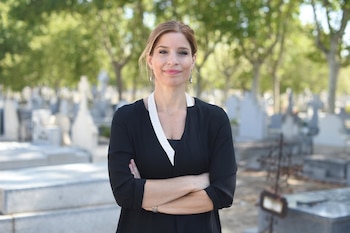
The European Union’s migration policies are under serious scrutiny as leaders emphasize the need for a more humane and inclusive approach to dealing with migrants. In a recent interview, Hana Jalloul, the Secretary of International Policy and Development Cooperation of the PSOE and former Secretary of State for Migrations, expressed grave concerns about the current state of migration practices in Europe. She stresses that the EU must not “lose its human character” or “solidarity” when addressing immigration challenges.
Jalloul articulated the deeply personal stories behind each statistical figure related to migration, stating, “Behind each figure, there is a story and often a desperate life.” Many migrants arrive in Spain as a result of ongoing conflicts and crises in their home countries, exacerbating their plight. “People who arrive in our country are often fleeing untenable circumstances, driven by wars and disastrous political conditions,” she lamented.
The key to improving the migratory situation, according to Jalloul, is the implementation of a comprehensive migratory pact within the EU framework. This pact should ensure that migration is managed in a “regular, safe, and orderly” fashion. Importantly, it must include mechanisms for mandatory solidarity , empower minor asylum seekers, and streamline asylum accreditation processes.
However, Jalloul identified a troubling trend of rising hate speech that creates panic among migrants and their families. She advocates for public discourse that focuses on inclusion policies and emphasizes the contributions of migrants to society. “When we talk about migrants, we must talk about the reality they face,” she said, urging a shift in narrative towards greater understanding and empathy.
Highlighting the economic contributions of migrants, Jalloul noted that if all migrants in Spain stopped working, the country’s economy would crash . Many migrants occupy essential jobs, particularly in sectors where the local population is unwilling to work, such as in the agricultural fields of Almería. “These sectors depend on migrant labor. Without them, a significant portion of our economy would struggle,” she pointed out.
Jalloul’s insights take on additional weight considering the contrasting approach taken by countries like the United States, which is mass-deporting migrants. “What we need are administrative guarantees to ensure that migrants are not left in a position of irregularity,” she emphasized. This would not only safeguard their rights but also stabilize the labor market, benefiting local and migrant workers alike. She referenced feedback from entrepreneurs who stress the importance of regularizing migrant workers to avoid an informal economy.
Amid the prevailing fears about migration, Jalloul is optimistic that Spain is not facing a migration crisis . “There is no problem with migrants here. The narrative that people do not integrate is misleading, and the issues that do arise are often localized and not reflective of a broader trend,” she explained. She also highlighted the need for better media reporting that distinguishes between migration and crime to combat stereotypes.
In a country like Spain, where safety is not as precarious compared to other nations, linking migration with crime is misplaced. “We must articulate the truth surrounding migration and not succumb to fear-mongering,” she urged. As a former Secretary of State, Jalloul believes that a balanced, evidence-based approach is critical to addressing the public’s concerns while ensuring that human rights are upheld.
The future of migration in Europe hinges on leaders like Jalloul who advocate for a compassionate policy that respects the dignity and contributions of migrants. By fostering understanding and addressing the root causes of migration, Europe can create a more inclusive society that benefits all its inhabitants, both native and foreign.