
The Fragile Peace: A Recent Calm Amidst Cambodia-Thailand Tensions
The Cambodian Prime Minister , Hun Manet , recently expressed his gratitude to U.S. President Donald Trump for brokering a potential ceasefire between Cambodia and Thailand. This diplomatic move comes after escalating tensions resulted in several armed clashes along the border , causing significant concern among local communities and officials. Amidst the backdrop of deteriorating relations, Trump’s intervention is seen as a possible turning point towards achieving peace.
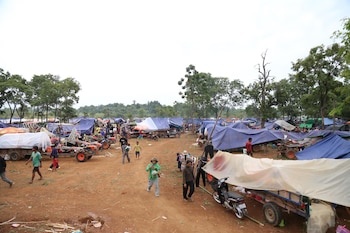
In a statement following a telephone call with President Trump, Manet reaffirmed Cambodia’s commitment to an immediate and unconditional ceasefire . He noted that Trump’s mediation efforts reflect a longstanding dedication to resolving global conflicts . “I would like to thank the honorable President Trump for his initiative and mediation to achieve a high immediate fire and peace between Cambodia and Thailand,” Manet stated, emphasizing that such a resolution would be crucial in protecting lives and facilitating the return of refugees to their homes.
During their conversation, Trump reiterated the need for both countries to halt hostilities, expressing a desire to prevent further bloodshed. This constructive dialogue is essential, especially as tensions have previously flared due to military confrontations and accusations of violations of international law. The Thai government has claimed that thirteen civilians were killed during these recent clashes, further complicating the crisis.
Manet highlighted that the Thai government had acknowledged Trump’s proposal for a ceasefire, interpreting this development as positive news for both soldiers and civilians. However, he urged Thailand not to retract its agreement, referring to a prior failed negotiation mediated by Malaysian Prime Minister Anwar Ibrahim, which Thailand had dismissed. The volatility of these interactions underscores the fragile nature of relations between the two nations.
In response to Cambodia’s military actions, the Thai government has accused its counterpart of launching unprovoked attacks on civilian areas, particularly in Surin Province . The Thai Minister of Foreign Affairs condemned what they described as “flagrant violations of international law,” insisting that any ceasefire would require Cambodia to cease these military actions aimed at civilian targets. Thailand has maintained that its military actions are only in self-defense , referencing Article 51 of the United Nations Charter .
The ongoing skirmishes stem from a complex web of historical grievances and territorial disputes. The most recent tensions flared after a Cambodian soldier was killed by Thai forces near Preah Vihear temple, an area claimed by both countries. Following this incident, both sides have traded accusations, leading to a deterioration in bilateral diplomatic ties.
In light of this tension, the Cambodian leadership has directed its Foreign Minister, Prak Sokhonn , to engage with U.S. officials and coordinate efforts with Thai representatives to ensure swift deployment of the principles agreed upon during the discussions. This proactive approach demonstrates a recognition of the humanitarian implications that prolonged conflict can entail, especially for marginalized communities affected by violence.
The international community has been urged to weigh in on this delicate situation, with calls for condemnation of any acts that violate established human rights standards . As both countries navigate the treacherous terrain of diplomacy amidst military tensions, the hope remains that mutual agreements can foster a sustainable and just resolution to the conflict.
Overall, the delicate balance of peace hinges on the ability of both Cambodia and Thailand to engage in open dialogue, backed by international support. The contrasting narratives emerging from each side highlight the complex realities of their relationship, making the role of influential figures like President Trump particularly salient at this time. While the potential for peace exists, the path forward remains fraught with challenges that both nations must collectively confront in the spirit of diplomacy and coexistence.