
The Controversial Case of Daneidy Barrera Rojas: The National Debate on Justice
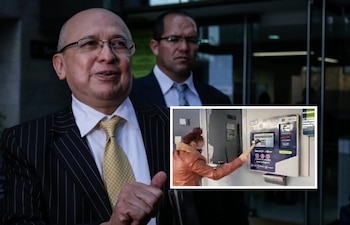
The capture and condemnation of Daneidy Barrera Rojas, popularly known as “Epa Colombia,” has ignited a national debate in Colombia. The case has stirred discussions about the fairness of the justice system, particularly regarding the imprisonment of a social media influencer while more serious offenders often receive benefits such as reduced sentences or parole.
Barrera was sentenced to five years in prison after vandalizing a Transmilenio station in 2021, a severe act that drew public outrage. As she serves her time in good shepherd prison, questions regarding proportionality and justice have emerged.
Constitutional Rights and the Call for Fairness
One key aspect of this controversy is that Barrera was convicted under terrorism charges, which legally restrict her from receiving many rehabilitation benefits available to other inmates. President Gustavo Petro has publicly questioned these legal restrictions, deeming them disproportionate.
In a heartfelt appeal, the president called on Justice Minister Eduardo Montealegre to intervene and facilitate improved conditions for Barrera during her imprisonment. Petro’s insistence has raised eyebrows, sparking discussions about the implications of a president seeking to influence the judicial process.

Expert Opinions on Judicial Independence
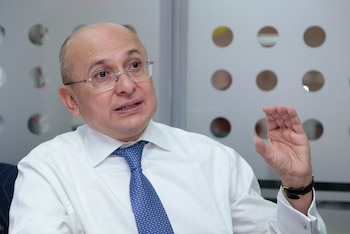
In a discussion with Infobae Colombia, Edwin Chaves, a professor of criminal law from the University of La Sabana, elaborated on the complexities surrounding the president’s request. He asserted that it is inappropriate for the president to contact a minister regarding the release or transfer of a convicted individual, as this infringes on the separation of powers outlined in the constitution.
Chaves emphasized that the decision to transfer or release an inmate lies solely with the judiciary. The president or his ministers lack any legal standing in this matter. “The Penitentiary and Prison Code explicitly assigns this power to the director of the National Penitentiary and Prison Institute (INPEC),” he explained, reiterating that the judiciary must maintain its independence.
Legal Mechanisms for Prisoner Transfer
Chaves further discussed the possibility of transferring Barrera to a different facility for safety reasons, outlining the legal mechanisms provided by Colombian law. According to the Penitentiary and Prison Code, the director of INPEC has the authority to manage transfers based on security assessments.
“Article 75 emphasizes legal grounds for such transfers, especially if the safety of the inmate or other inmates is at risk,” Chaves stated. This process also requires that the INPEC director evaluate the availability of space in other institutions, security conditions, and proximity to the inmate’s family.

Ultimately, the professor noted that if Barrera’s conduct during her imprisonment is exemplary and she engages in a process of rehabilitation and reforms, there could be a window for probation after serving three-fifths of her sentence. He highlighted the significance of comprehensive reparations to her victims, as such factors would be crucial in determining her eligibility for early release.
In the current scenario, the ethical dilemmas surrounding Barrera’s incarceration reflect broader societal issues. Questions of justice, fairness, and the proper balance of power between legal and political entities continue to reverberate across Colombia. Balancing the scales of justice in cases like that of Daneidy Barrera Rojas remains a challenge that speaks to the heart of the country’s values.