
Understanding Night Cramps: Causes and Prevention Strategies
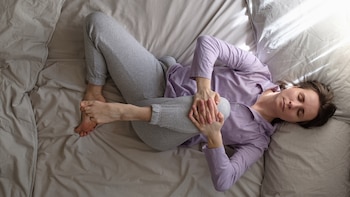
Extreme heat nights can drastically affect our ability to reconcile sleep. Unfortunately, they can also set the stage for a silent yet painful enemy: muscle cramps. A sudden spasm in the leg can interrupt even the deepest slumber, leaving behind a lingering sensation of pain and tension for several minutes. These spasms are notably common during heat waves, affecting everyone, from those who exercise frequently to individuals leading a more sedentary lifestyle.
Specialists have found that elevated temperatures significantly increase the likelihood of experiencing these involuntary spasms. However, understanding the causes and implementing straightforward strategies can effectively minimize their occurrence. Developing preventive habits not only protects sleep but also prevents discomfort from ruining nighttime rest.
The Role of Dehydration
At the forefront of triggers is dehydration, which disrupts the balance of essential minerals necessary for optimal muscle function, including potassium, calcium, magnesium, and sodium. “An imbalance in potassium, calcium, magnesium, or sodium directly impacts muscle function,” asserts medical sources. The loss of fluids exacerbates with rising temperatures, consequently raising the risk of night cramps.
Muscle Fatigue and Its Impacts
In addition, muscle fatigue plays a significant role. Muscles can become over-excited after heavy physical activity, heightening the risk of spasms during rest. This can also manifest after demanding days without active exercise. Certain medications, such as diuretics or blood pressure medications, may contribute to electrolyte loss. Individuals experiencing frequent cramps should consider consulting a healthcare professional if they coincide with their medication regimen.
Posturing can also exacerbate this issue. Remaining on your feet for extended periods or sleeping in awkward positions can create accumulated tension in leg muscles, increasing the chances of nighttime cramps.
The Effects of High Temperatures
High temperatures commonly lead to increased sweating, resulting in significant loss of water and minerals. This impacts both athletes and individuals exposed to nighttime heat. The extreme heat compromises water and mineral balance, making muscle spasms during sleep all the more frequent.
To combat night cramps, it is crucial to maintain adequate hydration, especially the replenishment of electrolytes prior to and after any physical activity. Merely drinking water may not suffice; lost minerals through sweat must be replaced.
Foods to Combat Cramps
A diet rich in essential minerals is of utmost importance. Key foods to incorporate include:
- Potassium: bananas, avocados, custard apples
- Magnesium: nuts, spinach
- Calcium: dairy products, broccoli, tofu
A balanced diet not only supports athletic performance but also helps the general population prevent imbalances that can lead to cramps, especially during the warmer months.

Comprehensive Prevention Measures
In addition to maintaining proper hydration and nutrition, several other measures can mitigate the frequency and severity of cramps:
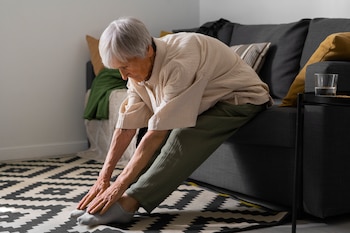
- Stretching and cooling routines after physical activity to minimize muscle stiffness.
- Foam roller massages to alleviate tension.
- Contrast baths (using both hot and cold water) to encourage circulation.
- Compression clothing to enhance blood flow and reduce fatigue.
These practices aim to safeguard muscle health and promote restful sleep.
In hotter conditions, preventive measures gain critical importance. Maintaining adequate hydration, adhering to a mineral-rich diet, and applying muscle care routines drastically impact the prevention of night cramps. Both athletes and those without regular vigorous activity can benefit from implementing these strategies during particularly sweltering times.
Overall, consulting a healthcare professional is advisable if cramps persist, especially if they coincide with pharmacological treatments or appear frequently. Maintaining a cool sleeping atmosphere can also help, as excess heat can exacerbate muscle tension and disrupt rest quality.