
In a digital context where privacy and security are increasingly vulnerable, millions of users around the world resort to a tool that has become almost indispensable: VPNs .
In Google and social networks, searches related to “what is a VPN” or “what a VPN is for” have grown exponentially in recent months, driven by the need to navigate without being tracked, avoid geographical blockages, or protect oneself when using public Wi-Fi . But what exactly is a VPN, and why do so many consider it crucial in their day-to-day activities?
Understanding VPNs
A VPN (Virtual Private Network) allows users to establish a safe connection when public or potentially insecure networks are utilized. Its primary function is to encrypt users’ Internet traffic and redirect it through a remote server, masking the real IP address and protecting personal information from prying eyes.
When someone navigates with a VPN, neither their Internet Service Provider ( ISP ) nor third parties—including advertisers, hackers, or governments—can easily track their online activities. This is accomplished through a layer of encryption that converts the data into illegible text for any unauthorized individuals.
According to recent data published by Forbes , more than 31% of global Internet users currently use a VPN, a figure that has grown constantly over the past five years. Among the most cited reasons for its use are privacy improvement (47%) and access to region-blocked content (46%).
This mass adoption occurs even in contexts where the use of VPNs is restricted or heavily monitored, such as in China, India, Russia, or Egypt . In many cases, the interest in this technology stems from the growing digital surveillance , advertising tracking, and cyber threats that proliferate in public networks.
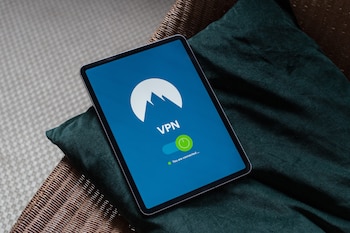
Benefits of Using a VPN
- Public Network Security: When you connect to free Wi-Fi in an airport, café, or shopping center, your personal information—such as passwords, bank data, or emails—may be exposed to attacks. A VPN encrypts that data and prevents third parties from intercepting it.
- Avoid Traces and Surveillance: ISPs have the ability to log and sell your browsing history. They can also share it with governments or private companies. A VPN blocks this practice.
- Access to Restricted Content: Many streaming platforms, such as Netflix , Disney+ , or YouTube , offer different content according to the country. With a VPN, you can “change” your virtual location and access series or films unavailable in your region.
- Secure Gaming and Purchases: VPNs help reduce the risk of DDoS attacks on online games and avoid price discrimination some online stores apply based on the user’s country.
Types of VPNs
- SSL VPN: Ideal for remote workers accessing corporate resources from personal devices. Only an HTML5-compatible browser is needed to connect to the company’s network.
- Site-to-Site VPN: Used by large organizations with multiple locations. It allows the secure connection between different local networks (LAN) without requiring users to configure individual settings.
- Client-to-Supplier VPN: This model directly connects the user with the VPN provider server, bypassing the ISP. It is common in corporate environments where secure access to internal servers is necessary or to avoid censorship in countries with restricted Internet access.
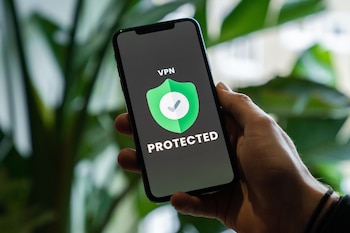
It’s crucial to note that while a VPN significantly enhances your privacy and security, it does not make you invulnerable. One still can be tracked if they voluntarily share their information (e.g., logging into social media). Moreover, it does not shield against all types of cyber attacks, such as phishing , making good digital hygiene indispensable.
In summary, a VPN is one of the most effective tools available to protect personal information, bypass censorship, and surf the internet with greater peace of mind. With the ever-growing threats to digital security and privacy, understanding and utilizing VPN technology can aid in navigating today’s digital landscape securely.