
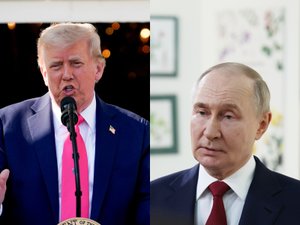
If he had a “very strategic” call with the Ukrainian president Volodymyr Zelensky, Donald Trump said he was “very unhappy” from the telephone interview with Vladimir Putin. He also evokes possible sanctions against the Russian president.
On a recent mid-summer day, President Donald Trump conveyed his discontent regarding his recent phone conversation with Russian President Vladimir Putin . During remarks made on July 4, Trump described himself as “very unhappy” with the dialogue that unfolded the day before. He expressed concerns about the lack of progress towards a peaceful resolution to the ongoing war in Ukraine . Amid these rising tensions, he hinted at the potential for new sanctions against Russia, should Putin’s aggressive tactics continue.
Soon Sanctions Against Russia?
In his statements aboard Air Force One , Trump characterized the situation as “very difficult.” He conveyed his frustrations bluntly, saying that Putin’s intentions appeared to be solely aimed at continuing violence. “He wants to go to the end, just continue to kill people; it’s not good,” Trump remarked. While the past six months saw a restrained approach concerning sanctions, the President emphasized during the press briefing that discussions about strengthening sanctions against Russia are on the table. “We are talking a lot about sanctions,” Trump confirmed, implying that Putin understood the implications of his choices.
A “Very Strategic Call” with Zelensky
Trump’s diplomatic engagements didn’t end with his conversation with Putin. He also highlighted a “very strategic call” with Ukrainian President Volodymyr Zelensky . This discussion came at a crucial time for Ukraine, which had recently endured a wave of drone and missile attacks — the most severe since the invasion began. Together, the two leaders agreed to collaborate on methods to strengthen Ukraine’s air defenses.
Additionally, Trump hinted at discussions regarding the potential deployment of Patriot air defense systems to Ukraine during his dialogues with German Chancellor Friedrich Merz . Although the decision had yet to be finalized, Trump insisted that “they must be protected,” alluding to the escalating threats faced by Ukraine.
An Agreement Soon on Gaza?
In a conversation that also touched down on matters beyond the conflict in Ukraine, Trump suggested a possible breakthrough in the ongoing situation in Gaza . He stated, “Could there be an agreement on Gaza next week,” with a visit from Israeli Prime Minister Benjamin Netanyahu looming on the horizon. When questioned about the prospects for a ceasefire in Gaza, Trump expressed a mix of optimism and caution. “Very,” he answered, while underlining the fluidity of the situation with, “It changes from day to day.”
In response to reports indicating that Hamas had shown a willingness to enter negotiations for a ceasefire, Trump acknowledged the importance of a constructive outcome. “It’s good. They didn’t inform me. We have to put an end to that. We have to do something for Gaza,” he stated, emphasizing the urgency for actionable solutions amid rising tensions.
The geopolitical landscape remains tumultuous as the Trump administration navigates complex relations with multiple nations affected by conflicts. As discussions about sanctions against Russia intensify, and the specter of military aid looms over Ukraine, the stakes keep rising. The upcoming conversations around Gaza add another layer of complexity, showcasing the intricate web of diplomacy and the relentless quest for peace in a world desperately seeking stability.
As events unfold, the reactions of both U.S. allies and adversaries will play a crucial role in determining the course of these discussions. The strategies set forth by Trump’s administration are likely to significantly shape global views on American foreign policy and its implications on international relations.