
In recent years, a significant backlash against mass tourism has swept across many of Europe’s biggest cities, with residents voicing their concerns over its negative impacts. One striking protest took place last year in Barcelona, where locals took to the streets with water guns , dousing unsuspecting tourists. Displaying banners with slogans like “Tourists Go Home” and “Barcelona is Not for Sale,” this protest highlighted the growing discontent towards the effects of mass tourism on urban life. Just yesterday, the iconic city witnessed a similar act of defiance, but this time it was part of a larger coordinated protest across Europe.
This year, Barcelona’s protests were enriched by a wave of solidarity marches from over a dozen cities across Europe, where frustrations with touristification have been increasingly vocalized. As the summer approaches and travel starts to resemble pre-pandemic levels, these protests underscore a deeper issue affecting locals— urban saturation , skyrocketing rent prices, and overwhelmed public services.
A Common Struggle—As tourism continues to rebound and even reach record levels in countries like Spain, thousands participated in simultaneous protests across Europe, demonstrating their dissatisfaction with the overwhelming tourist influx. The initiative, organized by the Southern Europe Network Against Touristification, began in April and aimed to unify cities facing similar challenges. Among the cities expressing their discontent were Palma de Mallorca, San Sebastián, and even famed destinations like Venice and Lisbon. Protesters articulated a common sentiment: “During late globalization, someone decided that Southern Europe would be the vacation park of the world.”
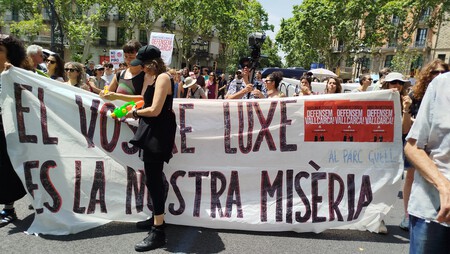
From Water Guns to Symbols—Protests varied in expression and intensity across different cities. For example, in Genoa, participants carried suitcases to create noise, while in Venice, demonstrators unfurled a banner off a boat. In Lisbon, locals constructed a handmade effigy of the city’s patron saint to symbolize the fight against the construction of a new luxury hotel. Meanwhile, in Mallorca, protesters stopped a tour bus , effectively underscoring their resistance.
Barcelona stood out with approximately 600 participants gathered to advocate for “ tourist degrowth .” Many carried placards adorned with messages reflecting local grievances. The scene was reminiscent of last year’s defiant act involving water guns aimed at tourists, a playful yet stark symbol of the frustrations faced by locals. This year, the use of water guns returned, further capturing the disruptive yet creative spirit of the protests.
Voices from the Ground—Different cities experience varying levels of tourist pressure and challenges. However, the core message remains: the need to address the adverse effects of mass tourism on local everyday life. Activists like Jaume Pujol of the “Menys Turisme, Més Vida” movement emphasized the importance of living with dignity, pushing to restrict the turistificaiton of cities and calling for limits on growth. Estimates indicated that around 8,000 locals mobilized in Palma for the event, highlighting an alarming consensus on the issues at hand.
Aligned with this sentiment, the Assembly of Neighborhoods for Tourist Degrowth in Catalonia noted, “ Tourism robs us of bread, shelter, and future .” They argue that while tourism might seem economically beneficial, it often leads to precarious employment and skyrocketing housing costs. Many families find themselves displaced from homes converted into tourist rentals or hotels, further exacerbating the housing crisis.
The Cruising Debate—In 2024, Spain registered around 94 million international visitors, generating revenues exceeding 126 billion euros. While these statistics indicate a thriving tourist industry, they also reveal the strains placed on iconic tourist destinations. With cities like Barcelona, Ibiza, and Palma experiencing heightened pressures, the challenge is finding a balance between economic growth and the quality of life for the local population. Similar concerns have also emerged in tourist-heavy locales like Amsterdam and Florence.
As cities grapple with the dual pressures of economic growth and resident wellbeing , varying strategies are being initiated. For example, Madrid has frozen the issuance of new tourist rental licenses, while Barcelona aims to eliminate them entirely. Protesters voiced strong opinions against cruising ships, labeling them “floating trash dumps.” The consensus appears to be that many tourist cities have hit their limits and need community-driven solutions to address these overwhelming challenges
Images | PAH Barcelona (X)
As the discourse surrounding mass tourism evolves, residents continue to advocate for viable solutions that respect both economic growth and the quality of urban life. The future of cities heavily relied upon tourism hangs in the balance as local populations demand a more sustainable and equitable approach to managing both communities and visitors.