
Tragic Events at Theresienwiese: A Knife Attack in Munich
On a fateful evening at the Theresienwiese in Munich, a 30-year-old woman became the prime suspect in a shocking double knife attack. The events unfolded rapidly, resulting in her death after being shot by the police, who were responding to her violent actions. This incident not only grabbed local headlines but also sent ripples of concern throughout Germany regarding public safety.
According to reports from the Bavarian Broadcasting Corporation (BR), the woman was involved in two separate knife attacks within the city. The police indicated that the first victim was a 56-year-old man, who was injured in the Ludwigsvorstadt district. Shortly after, she struck again, this time injuring a 20-year-old woman in the Schwanthalerhöhe area. As of now, the conditions of both victims remain uncertain, raising questions about the woman’s motives and her connection to the individuals she attacked.
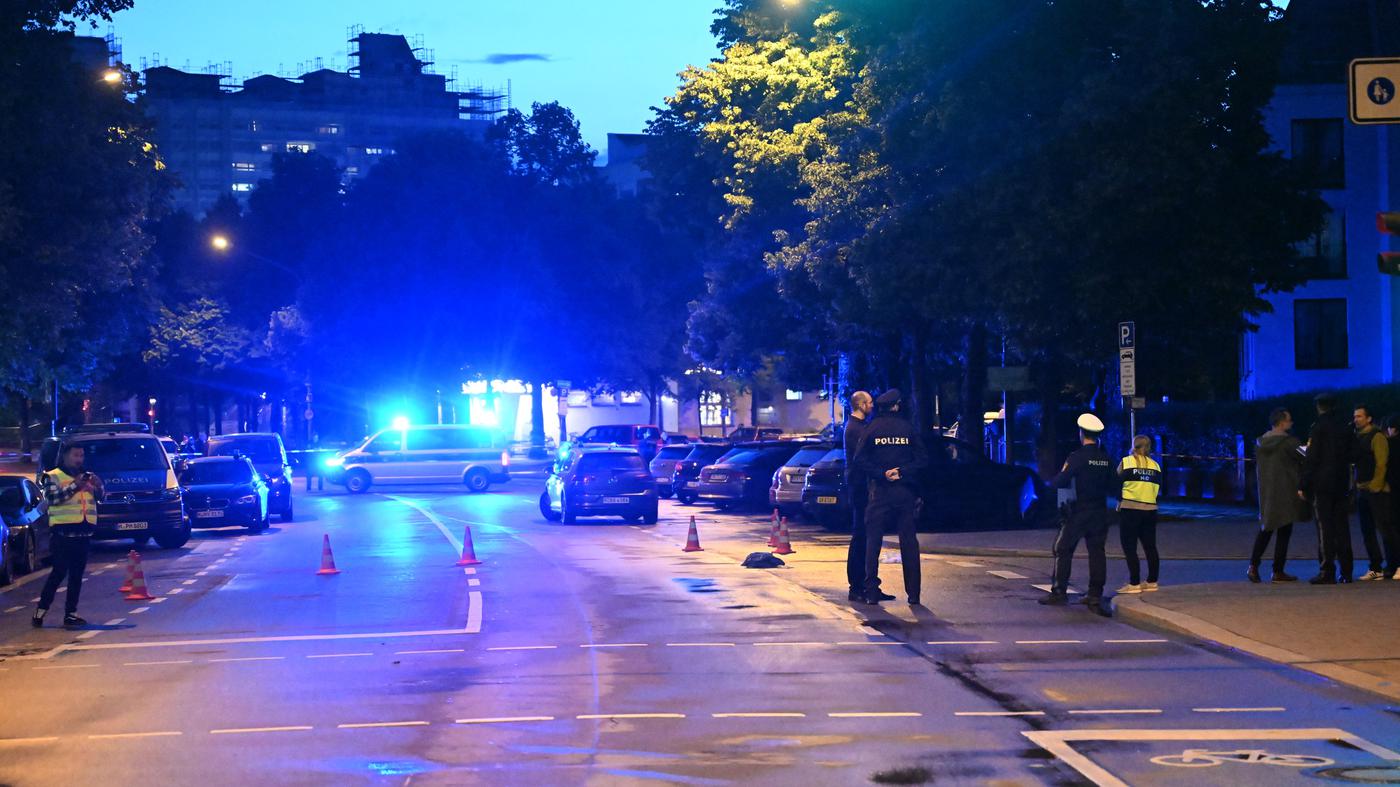
Police barricade at Theresienwiese in Munich. © dpa/Vifogra/Paul
The police were alerted quickly after the attacks, deploying multiple units to apprehend the assailant around 7:45 PM. The situation escalated when the woman continued to wield the knife and refused to comply with police commands. In a desperate attempt to neutralize the threat, the officers fired shots, ultimately resulting in her death. The total number of shots fired remains undisclosed.
While the initial reports indicated that there was no immediate danger to the public following the intervention, the police’s response raises significant concerns about how similar scenarios might be handled in the future. The Theresienwiese area, renowned for hosting the Oktoberfest, is usually a bustling locale filled with patrons and tourists, making such violent incidents even more alarming.
Moreover, the München Police Department emphasized that they are committed to ensuring the safety of their community and will undertake a thorough investigation into the circumstances surrounding this horrifying incident. The city itself has specific regulations that prohibit knives in certain public areas, particularly around major train stations and venues hosting large events.
This disturbing incident echoes previous knife attacks in urban Germany, highlighting an ongoing issue of violence involving knives. Recent debates within the Bundestag concerning the rising number of such attacks reflect a growing unease among the populace, urging the need to address both the symptoms and underlying causes of this violence.
The parallels to other knife-related incidents are striking. Just weeks earlier, a woman attacked multiple individuals at the Hamburg Central Station, leaving 18 people injured and triggering a nationwide conversation about public safety and mental health resources available for individuals at risk of committing acts of violence. That incident culminated in the attacker being placed in a psychiatric facility, underscoring the intersections between mental health, crime, and societal safety.
As the investigation continues, local authorities are urged to review their strategies for managing public safety, especially in areas prone to large gatherings. The psychological and emotional well-being of citizens is a significant component in alleviating fears surrounding crime, particularly violent offenses that incite terror within communities.
Despite the chaos, civil rights advocates are calling for a balanced approach that does not infringe upon personal freedoms while also ensuring that public safety remains a priority. The complexity of this issue requires a nuanced understanding of public health, community relationships, and law enforcement protocols.
The emotions surrounding such tragic events are palpable. Grieving the victims while seeking justice for the perpetrator adds emotional layers that complicate the narratives of crime and consequence. It remains to be seen what implications this incident will have for public policy and community safety in Munich and beyond.
The events at Theresienwiese remind us of our shared humanity and the fragility of life, pushing communities to foster dialogue aimed at preventing such brutal acts in the future. As we reflect on these tragedies, the call for a comprehensive strategy that encompasses safety, mental health, and community well-being becomes imperative for a peaceful future.