
The Strategic Shift: China’s Export Policies and Their Impact on the EU
In recent months, Beijing has made significant alterations in its export policies regarding critical raw materials, particularly rare earth elements. These changes stem from its response to U.S. tariffs aimed at Chinese goods, a move that has raised concerns among industries reliant on these valuable resources. Rare earth materials are pivotal for various sectors, notably in the technology and automotive industries, where they are used in the production of electric vehicles, smartphones, and other high-tech devices.
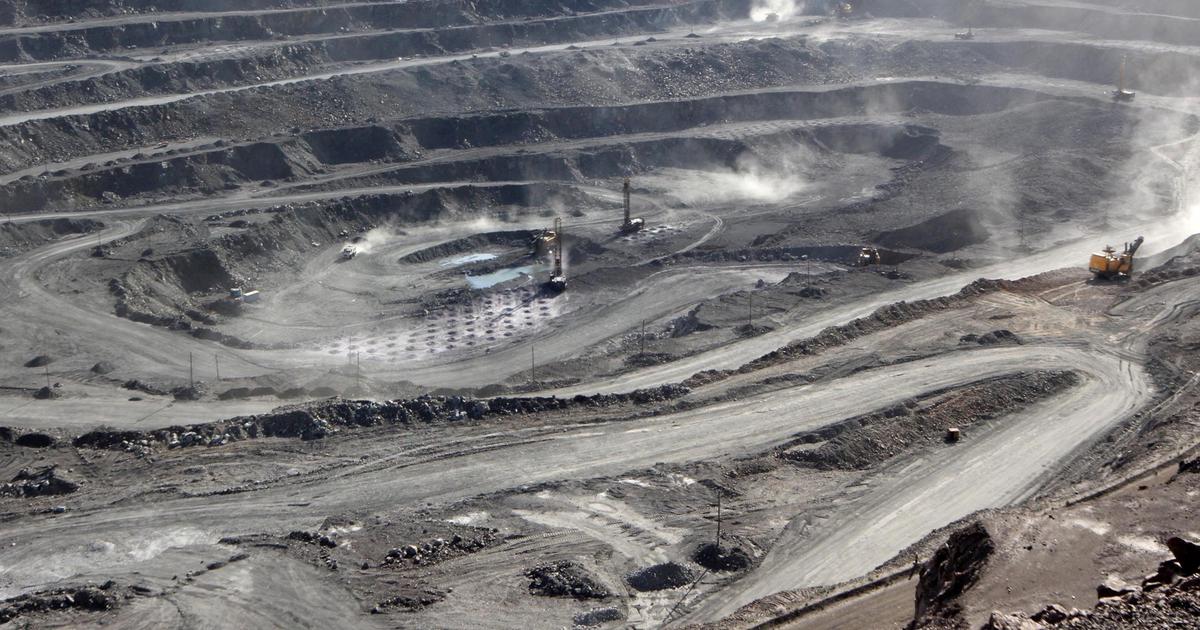
Rare earth elements are not just integral in product manufacturing but are also essential for maintaining the competitive edge of nations involved in technology and innovation. Approximately 60% of global mining and a staggering 92% of refined production of these materials are dominated by China, as highlighted by the International Energy Agency. The recent restrictions imposed on rare earth exports have compelled discussions on trade dynamics between China and the European Union (EU).
China’s Proposal for a “Green Channel”
In light of these developments, the Chinese Ministry of Commerce has introduced the idea of establishing a “green channel”. This initiative is aimed at facilitating smoother and expedited exports of rare earth materials to the EU. During a recent meeting, Chinese Commerce Minister Wang Wentao emphasized willingness to collaborate more closely with Europe, suggesting that such initiatives could enhance the handling of requisite export permits. This proposal seeks to assure European industries that despite the restrictions, cooperation remains a priority.
A spokesperson for the Chinese Ministry insisted that export controls are a common practice worldwide and noted that China values the EU’s concerns. They reaffirmed China’s commitment to finding solutions that could accelerate the export of critical materials while ensuring compliance with international norms.
The Complexity of Trade Relations
This willingness to engage reflects a backdrop of broader trade relations, which are often fraught with complexities. Wang Wentao’s remarks during the meeting with European Commissioner Maros Sefcovic illustrated opportunities for mutual benefit, incentivizing reciprocal actions from the EU. The dialogue extended beyond rare earth materials, delving into more contentious topics such as French cognac exports and the burgeoning presence of Chinese electric vehicles in European markets.
Furthermore, negotiations concerning the pricing commitments for Chinese electric vehicles—which are under scrutiny for alleged dumping strategies—are reportedly nearing completion. The implications of these discussions are crucial given that they hold the potential to reshape market dynamics in the automotive sector. It’s noteworthy that both parties have made substantial progress in resolving differences related to French cognac, a commodity currently facing sanctions in China.
Setting the Stage for Future Collaboration
The upcoming summit between the EU and China is poised to take place in July, marking the 50th anniversary of diplomatic relations between the two parties. This meeting will not only provide a platform for resolving outstanding issues but may also serve as a turning point for EU-China relations, potentially enabling a more balanced approach to bilateral trade moving forward.
As European industries advocate for a more stable trade environment, the outcome of these discussions will shed light on how both sides can adapt to the shifting geopolitical landscape. This is especially important as Europe seeks to foster strategic autonomy in technological sectors while managing dependencies on critical raw materials.
While the discussions reveal some possibilities for collaboration, the complexities embedded in trade relationships cannot be overlooked. Factors such as geopolitical tensions, the global supply chain crisis, and consumer demands will play a significant role in shaping the future narrative of EU-China trade dynamics.
Ultimately, the actions taken in the coming months will not only reinforce or reshape existing trade relations but also set precedents for how nations interact in an increasingly interconnected world. The dialogue initiated by China regarding its export restrictions may pave the way for cooperative strategies that transcend mere economic interests, fostering a more holistic approach to global collaboration.
Pékin, qui avait restreint les exportations de ces matériaux stratégiques en réponse aux droits de douane américains, se dit prêt à collaborer avec les Européens si ceux-ci prennent des mesures commerciales «réciproques».