
The Current Landscape of Traffic Regulations: Key Developments and Implications
In recent years, traffic regulations have gained significant attention, with various governments worldwide adapting their laws to ensure road safety and efficiency. Recent announcements surrounding Turkey’s traffic laws have sparked discussions, revealing both public concerns and political reactions. This article explores these developments and their wider implications.
Understanding Turkey’s New Traffic Regulations
Turkey’s traffic management has always been vital in ensuring road safety. Recently, the Ministry of Interior has placed emphasis on revising traffic regulations, particularly regarding speed limits and penalties for violations. This move aims to address the rising number of traffic accidents reported annually.
Significant changes have been proposed, including the implementation of new traffic fines. According to sources like İçişleri Bakanlığı, these adjustments were discussed in the AK Party’s Central Executive Committee (MYK), which emphasized the need for a comprehensive review of existing penalties to ensure they serve their intended purpose effectively.
The Shift in Public Perception
The proposed amendments have elicited mixed reactions among the public and political leaders. Many citizens argue that current fines are excessively harsh, putting undue financial strain on drivers, while also questioning whether these measures effectively deter reckless driving. For instance, reports from Hürriyet claim that there is ongoing debate over the severity of traffic fines, raising concerns that exorbitant penalties might not lead to safer roads.
Proposed Changes to Traffic Penalties
The recent discussions have shed light on potential increases in traffic fines. According to NTV Haber, these new fines aim to prevent reckless behavior on the road. Experts advocate for a balance between deterrent measures and public empathy, suggesting that excessively high fines may disproportionately affect lower-income drivers.
Radar and Surveillance Adjustments
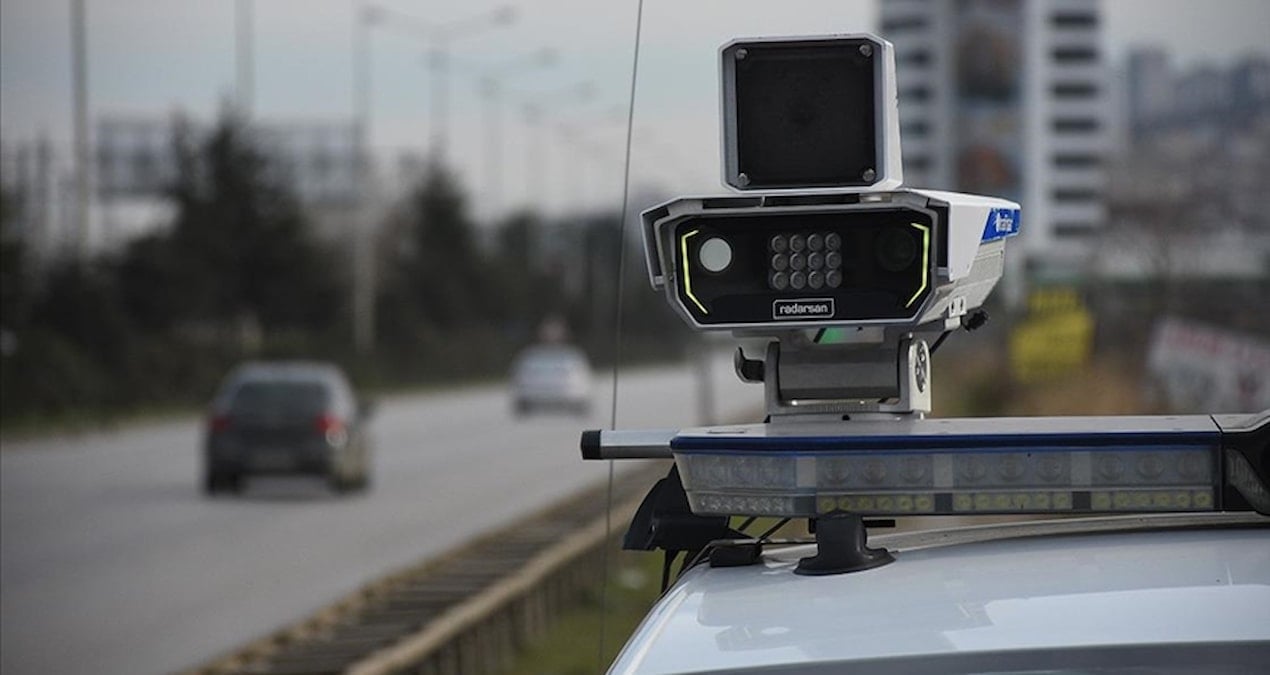
Moreover, newer traffic surveillance systems have also been on the agenda. As highlighted in discussions from Mynet Finans, the AK Party is contemplating enhancements to speed radars and surveillance cameras to ensure better monitoring of traffic laws. This technological upgrade can potentially reduce accidents by improving compliance with speed limits.
The Role of Stakeholders
Various stakeholders, including transportation experts, civil society activists, and legal analysts, are actively participating in discussions about these changes. Eager to voice their opinions, these groups have urged the government to consider the impacts these regulations may have on driving behavior and overall public safety. The broadened discourse also raises questions about transparency and accountability within the regulatory framework.
The Legislative Process and Future Outlook
The legislative process for rolling out these new laws presents a crucial stage in the discussion. It involves careful consideration of proposed changes and the potential repercussions they may have on both the economy and citizen welfare. As mentioned by the Minister of Interior, the goal is to create a more responsive traffic system while ensuring that public safety remains paramount.
A focus on public consultation could lead to more robust outcomes and help foster trust between the government and citizens. Involving a fewer number of stakeholders in the legislative process may run the risk of missing important perspectives that could enhance the effectiveness of the proposed changes.
The Importance of Public Awareness
As these potential changes begin to take shape, public awareness is essential. Campaigns to educate drivers about upcoming regulations, the rationale behind the increased penalties, and effective safe driving practices can make a notable difference. The Ministry of Interior intends to implement awareness programs to ensure that citizens understand the importance of compliance for the safety of all road users.
Looking Forward: Enhanced Safety Measures
Improvements in traffic regulations are often part of a larger strategy to enhance road safety. The ongoing discussions about motorcyclists and commercial drivers are particularly pressing, with proposed regulations aimed at ensuring the responsibility of all drivers on the road.
Furthermore, the focus on logistics and delivery services, particularly in urban environments, suggests that laws will be adapted to modern transportation demands. Companies employing motokuryes (motorcycle couriers) may soon see stricter operational guidelines, which aim to mitigate road hazards.
In conclusion, the evolving landscape of traffic regulations reflects a crucial aspect of public governance aimed at safeguarding citizens from road-related accidents. As various stakeholders weigh in, and as the government prepares to finalize these proposals, it remains critical to find a balance that prioritizes safety while considering the economic implications for drivers. Active public engagement and awareness can facilitate a smoother transition into this new regulatory era, ultimately benefitting all road users.