
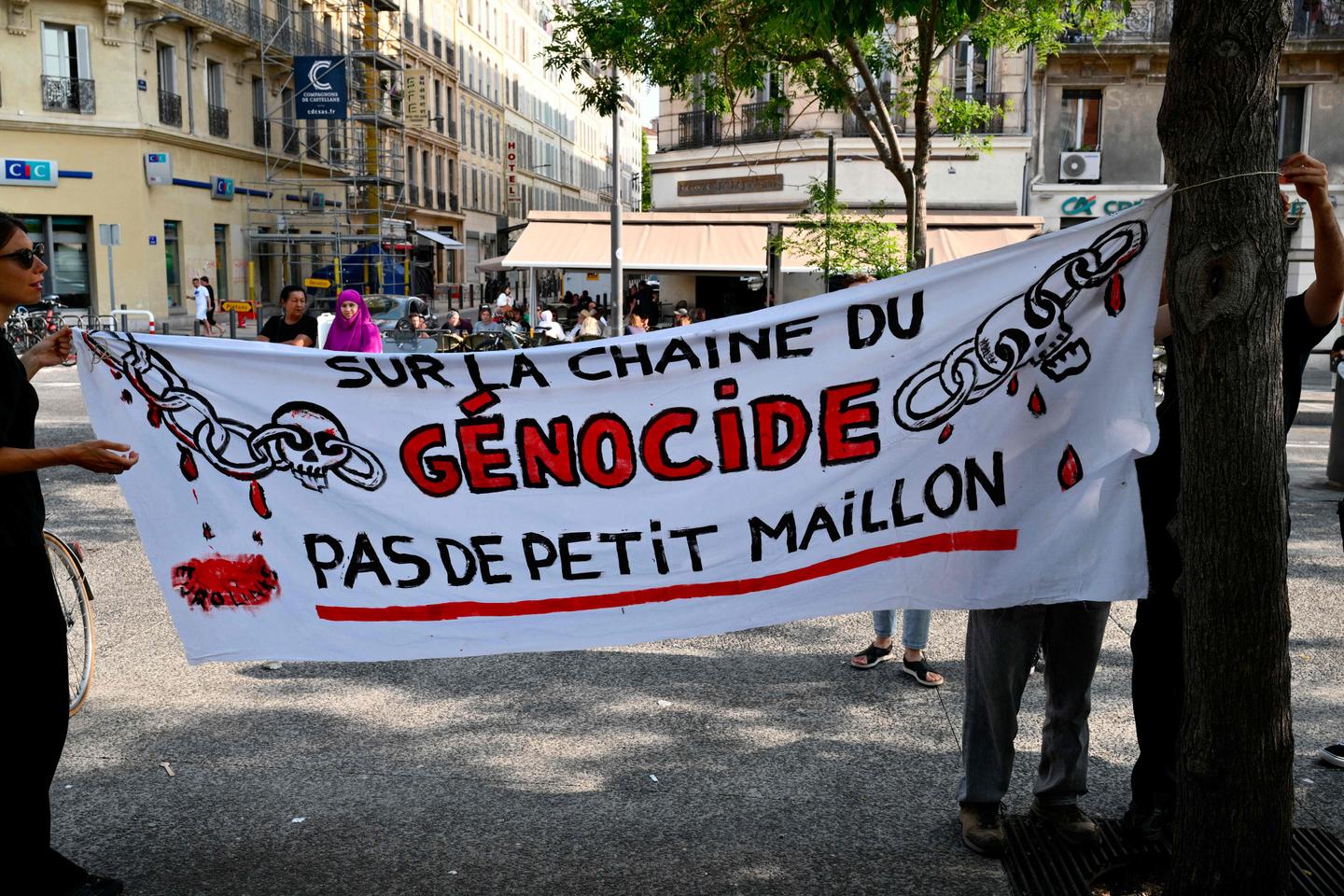
On June 5, 2025, dockers at the Marseille-Fos port took a bold stand by refusing to load military equipment destined for Israel onto a ship. This decision was motivated by their desire not to be complicit in what they described as “massacres.” After blocking one container filled with components intended for weapons, the dockers took further actions by halting two additional containers that were also slated for the same ship.
The CGT union for dockers revealed that these actions were part of a broader ethical stance against contributing to violence. According to their statement, they unexpectedly discovered two more containers that were supposed to ship components manufactured by Aubert and Duval , which included cannon tubes. The union insisted that these materials could potentially be used in military operations against civilians.
Previously, on the prior day, the dockers had already halted the loading of parts for machine guns made by Eurolinks, which were set for transport to Haifa, Israel. They firmly stated that they refused to be a part of what they termed the “genocide” orchestrated by the Israeli government.
Support from Allies
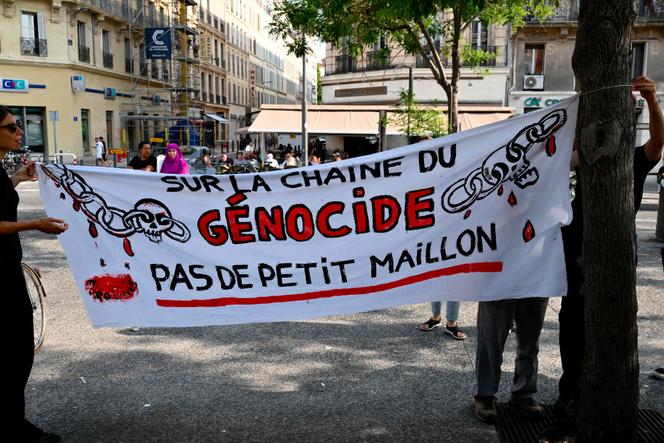
This protest has not gone unnoticed. The CGT’s Public Services Federation expressed their full support for the dockers’ stance, announcing that Italian dockers at the port of Genoa would continue this momentum by blocking shipments as well. A group of dockers in Genoa emphasized on social media that combating arms trafficking in ports requires concerted action. Simultaneously, a solidarity demonstration in support of the dockers took place in Marseille , gathering numerous participants.
According to the CGT, the container blocked initially contained 19 pallets of links, small metal pieces integral for machine guns. This export had previously raised concerns due to its potential application in conflicts, particularly against civilians in Gaza. Reports from March 2024 brought this issue to light, emphasizing the potential misuse of these materials.
Government Response
In response to allegations regarding the export of these links, Sébastien Lecornu, the Minister of the Armed Forces, stated that these components were strictly subject to “re-exportation.” The Ministry confirmed that such transactions were legally bound to ensure transparency and humanitarian considerations. Specific regulations govern the licensing of military exports, indicating that they must adhere to stringent international laws.
The situation surrounding the cannon tubes is equally complex. Sources indicate that these components are meant for European nations, rather than being primarily intended for Israeli forces. Aubert & Duval clarified that they do not supply military equipment directly to Israeli armed forces but operate under a strict licensing system directed by the French government.
Political Reactions and Public Sentiment
Politicians across the left spectrum have rallied behind the dockers, asserting their actions highlight a moral imperative. Sophie Binet, the secretary general of the CGT, urged the government to cease arms deliveries to Israel immediately, reflecting a growing sentiment that France should evaluate its role in international arms trade amid rising global conflicts.
Furthermore, Anne Savinel-Barras, President of Amnesty International France, criticized the continued arms trading, labeling it as “fueling genocide.” Key political figures have endorsed the dockers’ actions, indicating that ethical boundaries are being redrawn in the context of international cooperation and trade.
Since the Hamas attack on Israel in October 2023, the region has witnessed grave escalations. With over 54,607 fatalities reported in Gaza alone, there is an urgent call from various sectors of society for accountability and humanitarian consideration in military dealings.
The actions taken by the dockers in Marseille serve as a powerful reminder of the ethical dilemmas faced in the world of trade and international relations. As public sentiment shifts toward a more ethically aware stance on arms trading, the implications of these protests may resonate far beyond the port of Marseille, influencing future policies on military exports.