
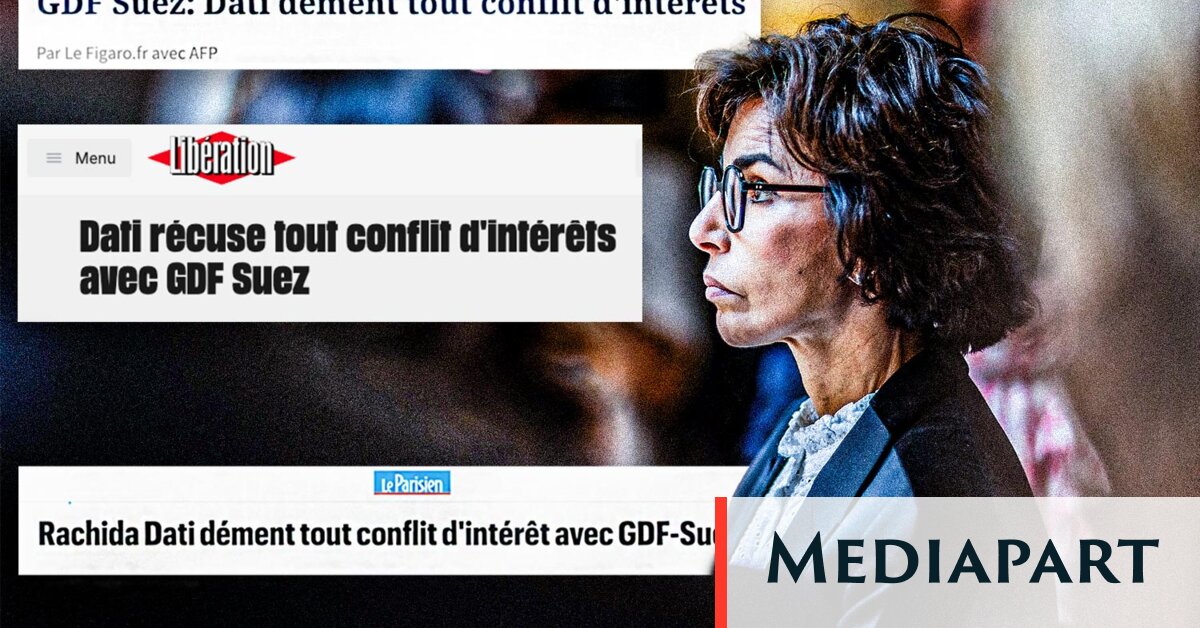
The Unfolding Controversy: Rachida Dati and GDF-Suez’s Hidden Finances
Rachida Dati, a prominent figure in French politics and a former Member of the European Parliament (MEP), finds herself entangled in a controversial scandal involving hidden financial dealings with GDF-Suez, one of France’s major energy companies. Recently, a series of investigative reports have shed light on her financial transactions, raising questions about transparency and ethics in public service.
The Revelations
Reports from several reliable sources, including Mediapart, Le Nouvel Obs, and Le Parisien, have uncovered details about substantial payments made to Dati by GDF-Suez. According to these investigations, she reportedly received €299,000 in fees for her consulting efforts from 2010 to 2011. These payments are particularly troubling given Dati’s longstanding political career and the potential conflicts of interest arising from her ties to the corporation.
Financial Misconduct or Just Business?
Dati’s supporters argue that there is nothing inherently wrong with politicians engaging in consulting work, as long as they disclose their financial relationships. However, critics contend that this situation casts a shadow over the integrity of her political career. Questions arise about whether she used her political influence to secure lucrative contracts or if these financial ties posed a conflict of interest.
Investigative Reports: The Details
Recent investigative episodes, including a segment titled “Complément d’enquête” on France 2, delve deeper into what is being termed as the “Dati Affair.” Viewers have been drawn into a narrative that combines political drama with financial intrigue. Documented discrepancies in Dati’s financial records reveal instances of hush-money that arguably contradict the public perception of transparency aligned with public office.
Sources also highlight payments Dati received from a legal firm, further complicating the narrative. While the legality of her actions may hold up under scrutiny, the ethical implications create a different line of inquiry that the public cannot ignore.
Public Reaction
Public reaction to these revelations has been mixed. Some view Dati’s case as another example of corruption in high political offices. Social media is abuzz with hashtags calling for accountability among political elites. Others, however, rally to her defense, emphasizing her contributions to society and questioning whether the media frenzy is merely a witch hunt against a strong female politician.
Many argue that the underlying issue here is greater transparency in political dealings and the need for stricter regulations regarding the financial engagements of public officials. Some have called for comprehensive audits of past and present financial activities involving public figures to rebuild public trust.
Comparing Global Standards
When discussing accountability, it is also vital to draw comparisons with other countries. Nations like the United States have strict regulations regarding lobbying and financial disclosures from elected officials. Such measures could potentially be embraced in France to avert similar controversies in the future.
Conclusion
The Dati affair serves as a pivotal moment in French politics, one that may challenge existing norms surrounding financial dealings in public office. As investigations continue to unfold, the public and policymakers alike must grapple with the implications of these findings on governance, ethics, and trust in leadership. Debate will likely persist, but it serves a crucial reminder of the ongoing conversations regarding financial integrity in politics and the need for independent oversight. As society watches closely, Dati’s next moves may very well shape the contours of political accountability in France for years to come.