

The Economic Revival: Germany’s Ambitious Plan
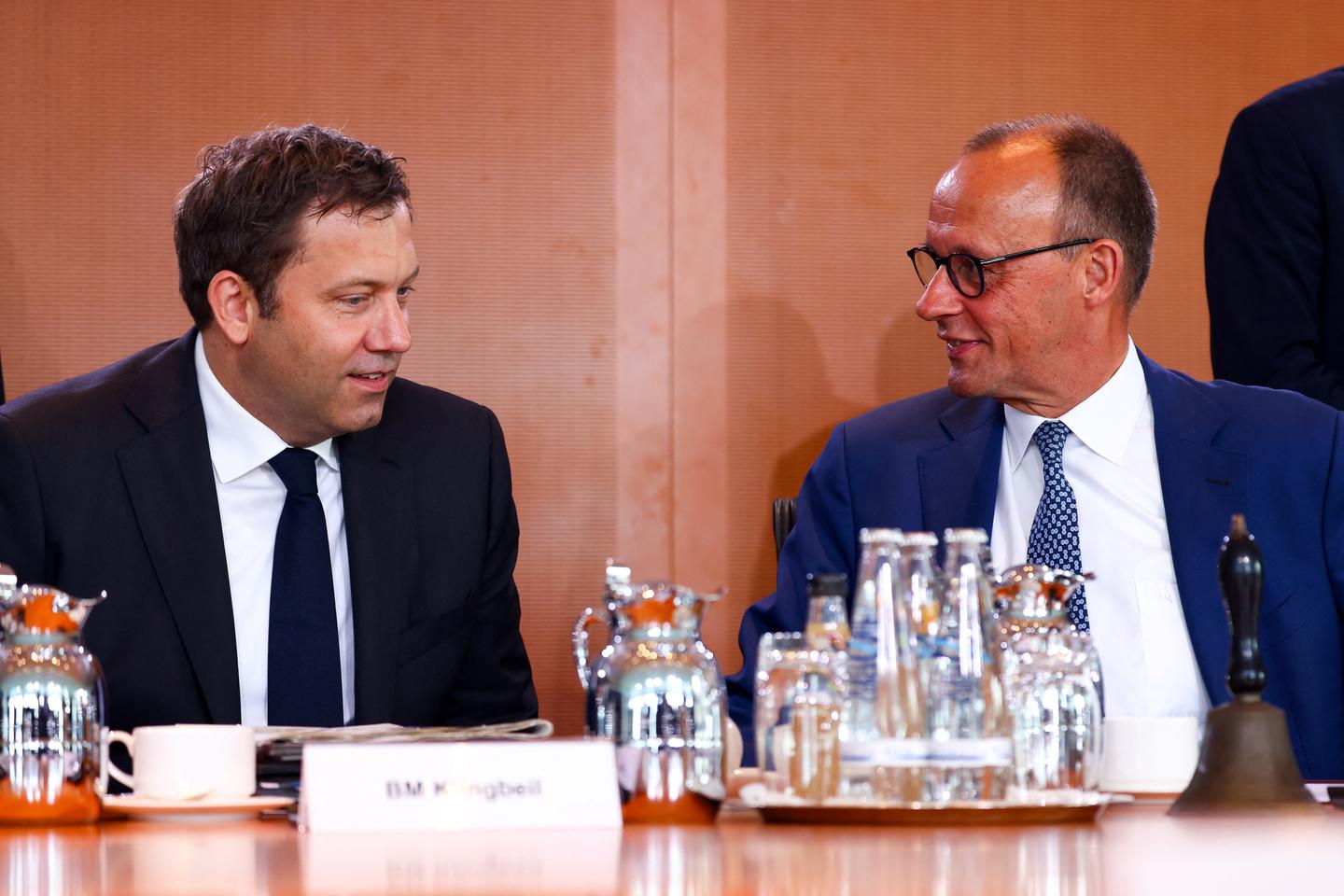
“Germany is back,” promised Chancellor Friedrich Merz in early April during the presentation of the coalition agreement — the roadmap for his conservative-social-democrat alliance for the upcoming legislative term. Highly awaited on the economic front, given that the country has been mired in stagnation since 2019, the new government announced a comprehensive stimulus plan on Wednesday, June 4. By the end of the term in 2029, €46 billion in tax cuts and accelerated depreciation (allowing businesses to deduct investments from their taxes more rapidly) are expected to be implemented, with a stronger effect in the initial years. The aim is to stimulate growth beginning in the next semester, in a country where private investments have reached an all-time low. The plan still requires parliamentary approval by summer.
Key Features of the Stimulus Package
“With our growth ‘booster,’ we are giving a real kick to the economy,” stated Lars Klingbeil, the new Finance Minister , during a press conference on Wednesday. The centerpiece of the plan is the introduction of a 30% depreciation rate on investment goods. This means that a company investing €100,000 in equipment could deduct €30,000 per year from its taxable profits. This rate is degressive : high in the beginning, decreasing later, which is designed to create immediate demand for machinery.
Rationale Behind the Economic Measures
The rationale behind this bold stimulus strategy stems from several factors affecting the German economy. Firstly, private investment has dried up considerably, which in turn has hampered economic growth. With inflationary pressures and global uncertainties, businesses have been hesitant to take risks. The government believes that by incentivizing investments through tax breaks and accelerated depreciation rates, it can revive economic momentum.
Moreover, Germany’s population is aging, leading to a shrinking labor force. The government recognizes that investment in technology and automation is crucial to maintain competitiveness . By encouraging firms to upgrade their machinery and embrace innovation, Germany can secure its position in essential industries. This is especially critical in sectors like automotive , manufacturing , and renewable energy .
Public Reaction and Future Implications
So far, the response has been mixed. Many economists praise the proposed measures, viewing them as essential for breaking free from stagnation. However, some criticize the plan for being reactive rather than proactive, pointing out that the government should have acted sooner to avert the economic decline. This conversation underscores a broader concern: can these measures genuinely spur the economy, or will they merely act as a temporary fix?
The potential impact of these measures extends beyond immediate economic growth. If successful, they could restore confidence among both investors and consumers, leading to a virtuous cycle of spending and economic activity. Additionally, the proposed changes could have long-lasting effects on Germany’s industrial landscape , encouraging businesses to innovate and invest sustainably.
Conclusion
The new economic measures announced by the German government represent a bold attempt to reignite growth in an economy that has struggled for years. With a focus on tax cuts, accelerated depreciation, and an urgent need for technological investment, the plan aims not only to foster immediate economic dynamism but also to set the stage for a more resilient industrial future. As Germany navigates these uncharted waters, the world will be watching closely to see if these initiatives can indeed rejuvenate a once unstoppable economic powerhouse.