
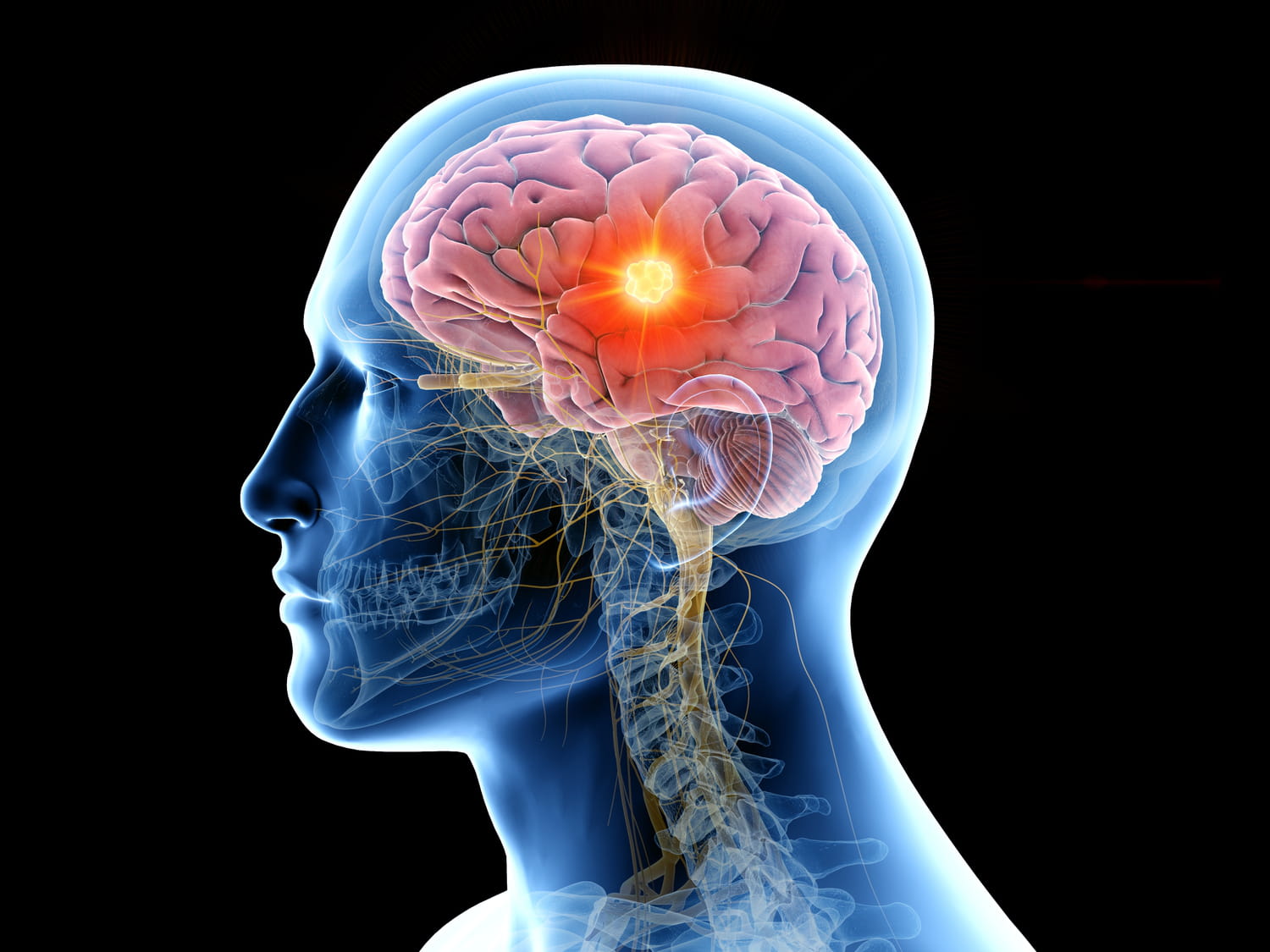
Maintaining reflexes, cognitive abilities, and simply memory can be easily managed by adopting some healthy practices. Many of these are well-known: engaging in regular exercise , eating a balanced diet, avoiding tobacco, and reducing alcohol intake are frequently emphasized. However, that is not all.
Dr. Baibing Chen, a board-certified neurologist and epileptologist at the University of Michigan, frequently shares valuable insights on social media. In a segment for American radio CNBC, he elaborated on four easy habits to incorporate into daily life for a healthy brain and effective memory.
1. Limit Dependency on GPS
The specialist first advises against relying too heavily on GPS for navigation. “Over time, too much dependence on GPS can weaken your spatial memory,” he explains. He cites a study demonstrating that taxi drivers have more developed hippocampi, the brain’s memory centers, because they memorize complex street layouts. Consequently, they may also be at lower risk for developing dementia.
Dr. Chen encourages practicing your spatial memory regularly, perhaps by exploring a new route without using a GPS. Paying attention to your orientation, signage, or markings on the ground are small habits that can exercise your brain and enhance your memory.
2. Be Cautious with Energy Drinks
The neurologist also warns against the excessive consumption of a trendy product: energy drinks. High in caffeine, taurine, and B vitamins, these beverages can lead to insomnia, anxiety, agitation, or even seizures in severe cases. “A lesser-known risk is the long-term accumulation of B vitamins in the body, particularly B6, which is often present in these drinks and can lead to toxicity,” he adds.
3. Manage Over-the-Counter Medications
Another vital piece of advice is to moderate the usage of over-the-counter medications. “Always follow your doctor’s instructions and do not exceed the recommended doses,” Dr. Chen insists. An overdose of pain relievers like ibuprofen can lead to ulcers, gastric bleeding, or kidney damage, he reminds us.
4. Protect Yourself from Insects
Finally, the expert urges us to protect ourselves from mosquitoes and ticks during outdoor activities. Every summer, he observes patients arriving at the hospital suffering from fever, confusion, and occasionally seizures or even coma due to infections transmitted by these insects. “Taking simple preventive measures against bites can save you from debilitating infections,” concludes the neurologist, particularly highlighting the dangers posed by ticks, which can lead to Lyme disease.
Stimulating spatial memory by avoiding GPS, limiting energy drink consumption, carefully monitoring over-the-counter medication intake, and appropriately protecting against insects are four simple yet vital tips provided by Dr. Chen. Incorporating these small changes can significantly contribute to preserving cognitive abilities in the long term and taking care of our brain health.
General News – 2