
Uncovering the History of Yersinia pestis: The Bacterium Behind the Black Death
The Black Death of the 14th century remains one of the most devastating pandemics in history, causing the deaths of approximately 30% to 50% of Europe’s population. While many perceive it as a distant memory, a recent study reveals that the bacterium responsible for this catastrophic event, Yersinia pestis, still exists today, posing a threat globally. As researchers delve deeper into its history and evolution, a clearer picture emerges of how this insidious pathogen has managed to adapt and thrive over the centuries.
The Ongoing Threat of Yersinia pestis
Despite being famously linked to the Black Death, Yersinia pestis has never truly disappeared from the earth. Each year, cases are reported in various parts of the world, including Madagascar, parts of Africa, Asia, and even regions in the United States and Russia. The persistence of this bacterium underscores the importance of understanding its evolution, virulence, and how it adjusts to survive amid changing environmental conditions.
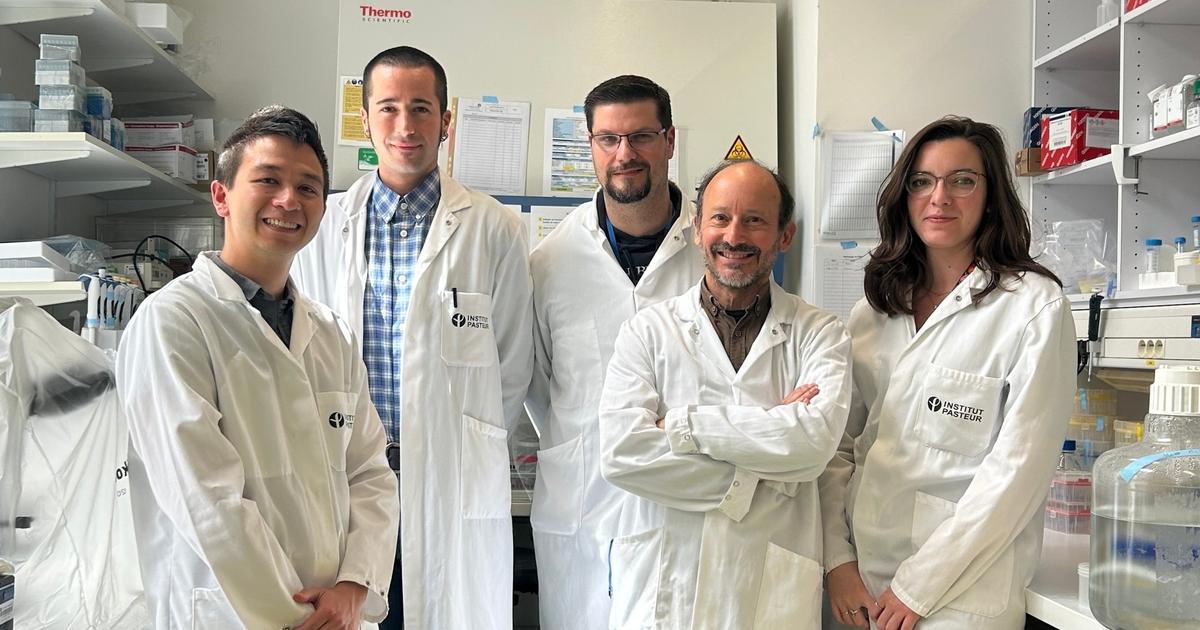
Recent research published in the renowned journal Science sheds light on the adaptability of this bacterium. Researchers from the Institut Pasteur in Paris and McMaster University in Ontario have actively studied Yersinia pestis, exploring how its virulence has adapted over 1500 years of human history to ensure its survival and propagation.
A Closer Look at the Origins
The journey of Yersinia pestis began around 540 AD during the first plague pandemic, known as the Plague of Justinian, which swept through the Byzantine Empire. Historical records indicate that this early outbreak laid the groundwork for strains of the bacterium that would emerge throughout history.
Cumulative genetic changes in the bacterium allowed it to evolve in response to various host defenses and environmental challenges. The emergence of the Black Death in the 14th century marked a significant evolutionary milestone for Yersinia pestis, highlighting its capability to adapt quickly to survival pressures.
Genetic Adaptations and Implications
In their groundbreaking study, researchers elucidated the genetic factors contributing to the virulence and lethality of Yersinia pestis. Specific gene mutations occur randomly and fortuitously, sometimes conferring enhanced survival mechanisms that allow the bacterium to evade both human and animal immune responses. These mutations are pivotal for pathogens as they dictate how successful an organism can be in establishing infections and causing diseases.
Another key aspect of their findings indicates that the bacterium has increasingly developed variants that can exploit different hosts. This diversification ensures that despite interventions like improved hygiene and antibiotics, Yersinia pestis is still able to find opportunities for effective transmission.
Modern Impacts and Understanding
Understanding the biology of Yersinia pestis goes beyond academic interest. The ongoing threat of potential outbreaks necessitates continued surveillance and research into this ancient pathogen. The findings from recent studies hold significance for public health and facilitate the development of vaccines, antibiotics, and other therapeutic measures to combat current and future outbreaks.
The implications of these studies are crucial, as they allow medical professionals to prepare and respond more effectively to the possibility of resurgence in plague cases, especially in vulnerable regions with documented endemic cases of plague such as Madagascar.
In addition to public health measures, awareness and education also play vital roles in controlling outbreaks. Informing communities about the signs and symptoms of plague could result in quicker responses and ultimately save lives.
The Path Forward
As we understand more about the adaptability of Yersinia pestis, it is clear that the fight against this pathogen is ongoing. Continued research and monitoring remain critical for mitigating any future risks associated with plague outbreaks. With each discovery, we gain a greater appreciation for the complex history of this bacterium and its intricate interactions with human hosts.
Public health authorities must remain vigilant in their efforts to control and prevent the spread of these ancient pathogens. Strategies must evolve based on scientific understanding to ensure the safety and health of future generations.
DÉCRYPTAGE – Une étude apporte un éclairage inédit sur Yersinia pestis, la bactérie responsable des pandémies parmi les plus meurtrières de l’Histoire.