Mayotte transitioned into Phase Three of the Orsec Arboviroses plan on May 26, marking a low-intensity epidemic phase related to the spread of the chikungunya virus. According to Public Health France, this change follows a notable surge in virus transmission across the territory, with a steady increase in confirmed cases over the past several weeks.
Since the beginning of the year, Mayotte has reported 560 confirmed cases of chikungunya, with 204 occurring in just the week of May 19 to 25. This represents a startling 42% increase in just seven days based on preliminary data. “The actual situation could be significantly underestimated ,” Public Health France cautioned.
The agency pointed out that biological confirmation tests remain on hold in emergency rooms due to “persistent and concerning pressure.” This has led to a partial utilization of healthcare by a segment of the population, particularly in the most isolated or underprivileged areas.
Since the first confirmed case was detected, fifteen individuals have been hospitalized, including eight pregnant women under observation and five infants under one year of age. Thankfully, there have been no admissions to intensive care and no reported deaths attributed to the outbreak.
Eight Cases in Var, Three in Alpes-Maritimes
Since May 1, 27 imported cases of chikungunya have been recorded in the Provence-Alpes-Côte-d’Azur region, which is seven more than the previous week , according to the latest report from Public Health France dated May 27. The affected travelers, mostly infected by tiger mosquitoes, returned primarily from destination hotspots: La Réunion (22 cases), Mauritius (4), and Madagascar (1).
Breaking down the numbers, the Var region has seen eight cases, while three have been reported in the Alpes-Maritimes . Yet, the leading area for outbreaks among the regions is Bouches-du-Rhône with ten cases, followed by Vaucluse (5), with fewer cases reported in Hautes-Alpes (1) and Alpes-de-Haute-Provence .
The primary symptoms of chikungunya include a sudden onset of fever , muscle and/or joint pain , headaches , and skin rashes . Generally, these symptoms resolve within a few days. However, the Institut Pasteur warns that joint pain can linger for several weeks to even years, especially if the patient is of advanced age.
Every confirmed case must be reported to the Regional Health Agency, which then initiates an investigation in collaboration with Public Health France to identify potential contamination sites and assess risks of further spread.
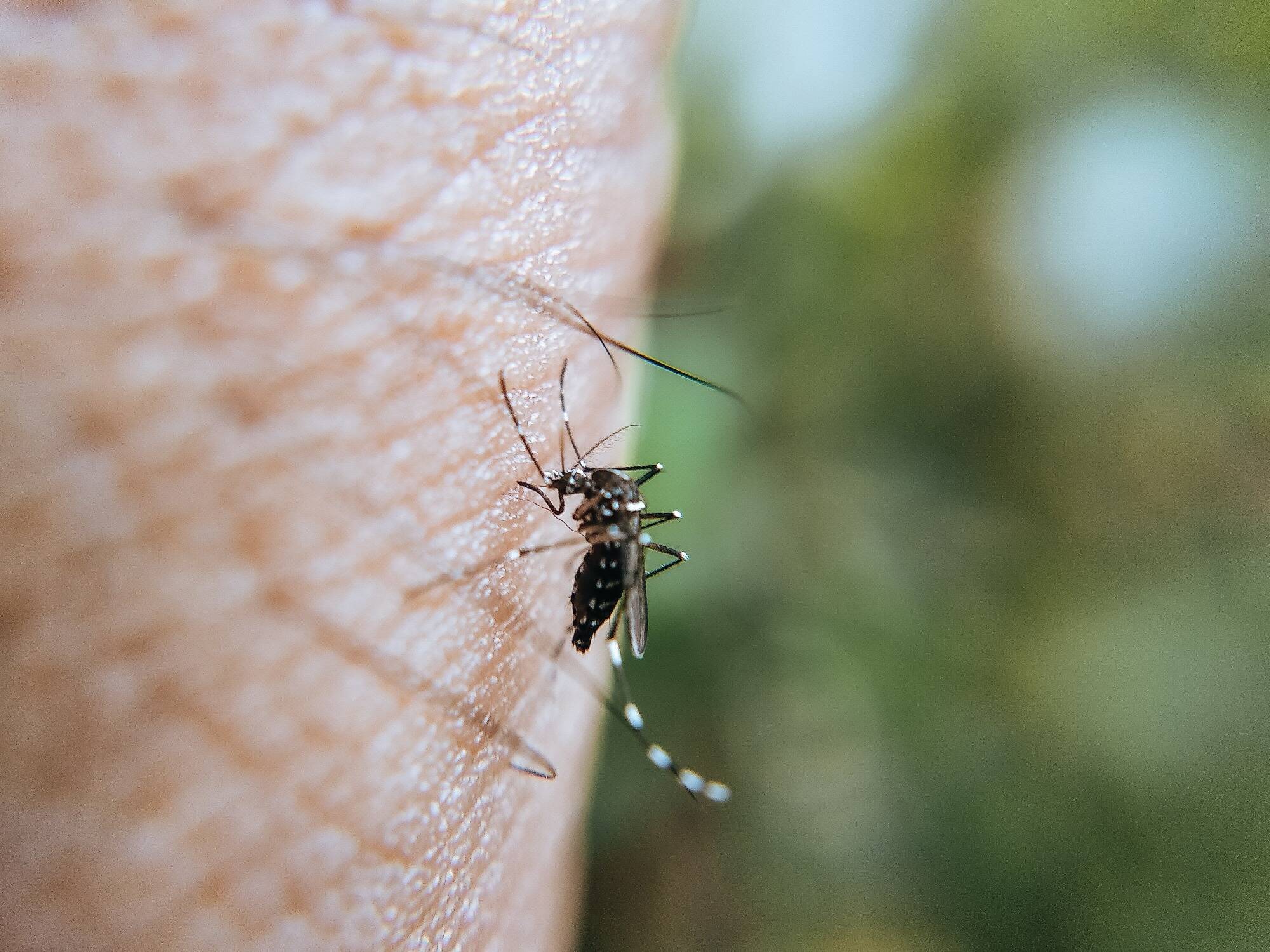
The chikungunya virus, transmitted primarily by the Aedes aegypti and Aedes albopictus mosquitoes, has caused global concern due to its rapid transmission rate. The virus lives primarily in tropical and subtropical regions, making areas like Mayotte vulnerable. Public health officials emphasize the importance of community cooperation and awareness during the outbreak period in order to limit transmission.
Preventive measures include eliminating standing water where mosquitoes breed and using repellents, especially in areas known for previous outbreaks. Public health campaigns play a crucial role in informing populations about the risks associated with chikungunya, encouraging timely medical consultations, and promoting preventive practices.
As the world grapples with multiple infectious diseases , understanding the dynamics of arboviruses like chikungunya remains essential for healthcare professionals and the general public alike. Active monitoring and targeted health strategies will be crucial in controlling the current outbreaks and safeguarding community health.
The rise in chikungunya cases in Mayotte serves as a stark reminder of how quickly viral outbreaks can escalate. With swift action taken by health authorities, effective communication, and community involvement, it is possible to contain the spread of this virus and protect the health of vulnerable populations. Staying informed through reliable sources and following health guidelines can help mitigate the risks associated with such outbreaks and, ultimately, save lives.