
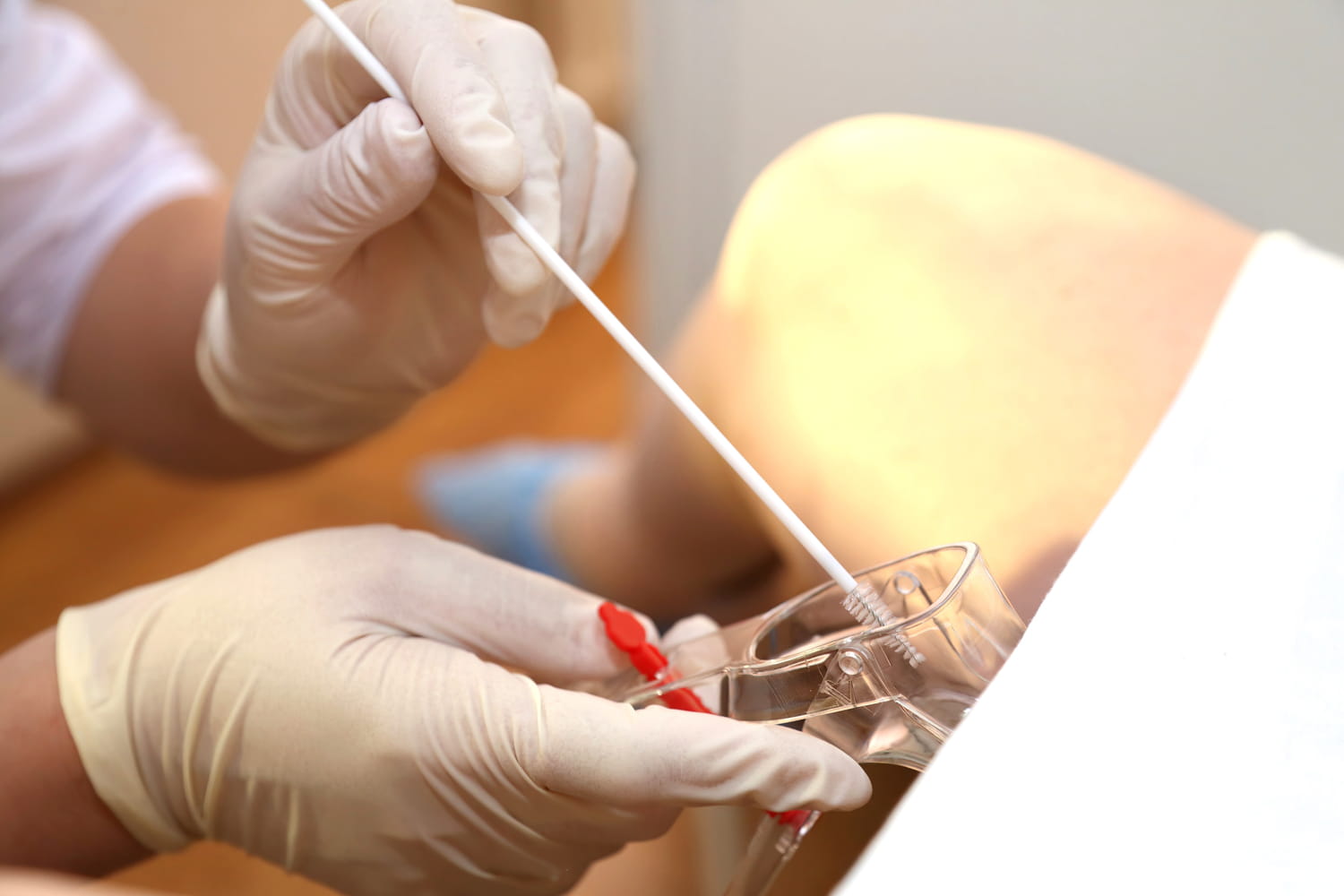
Plus de 3 000 cas sont diagnostiqués chaque année en France et 1 100 personnes décèdent d’un cancer du col de l’utérus.
The Urgent Need for Cervical Cancer Screening
Cervical cancer could be eradicated, yet the statistics are alarming. In France, over 3,000 cases are diagnosed each year, leading to approximately 1,100 deaths. Many of these lives could be saved if a greater number of women opted to be vaccinated against the human papillomavirus (HPV), which is responsible for almost all cervical cancer cases. Additionally, regular screening is essential. Between 2020 and 2022, the screening rate for cervical cancer was a mere 59% in France, which falls short of the 75% recommended by European health standards, as reported by Santé Publique France. The Institut National du Cancer confirms that over 40% of women do not participate in screening regularly.
Barriers to Screening
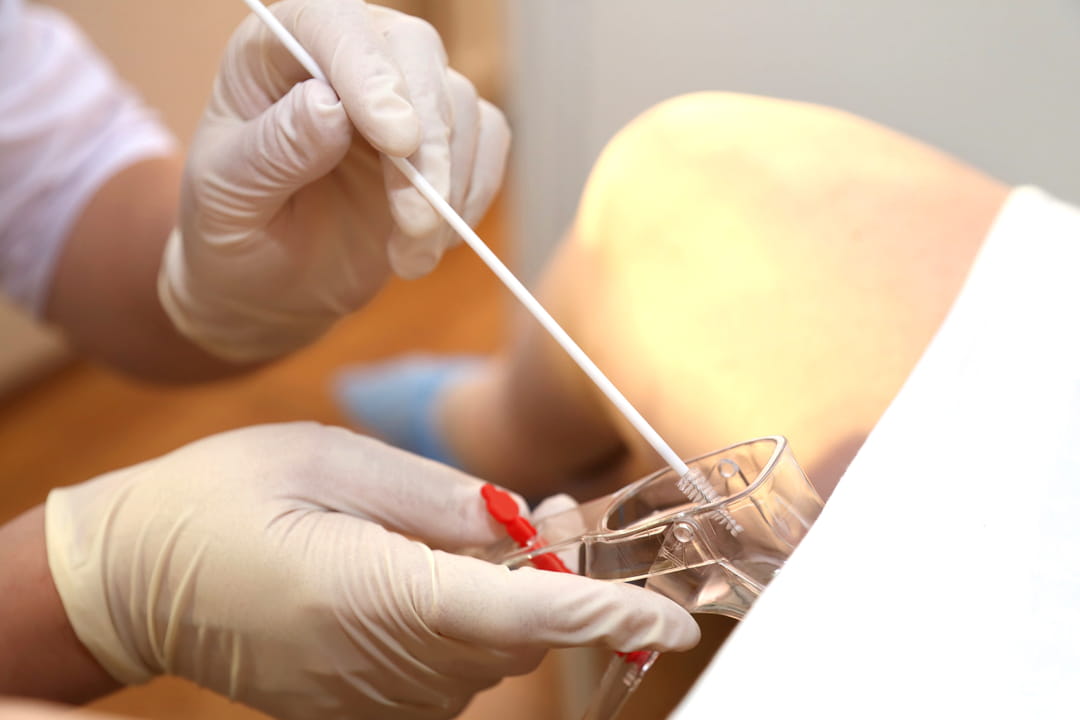
Several factors contribute to the reluctance or inability of women to undergo this crucial screening. Issues include difficulties in locating a healthcare professional, a history of sexual or gynecological violence, disabilities, and fear. For these women, there is an alternative to the traditional Pap smear: the vaginal self-sampling method. Instead of visiting a healthcare professional who inserts a speculum and collects samples from the cervix, the self-test allows women to collect samples independently in their own homes.
Comparing Self-Sampling and Traditional Methods
The traditional Pap smear and the self-sampling method are quite similar in that both methods can detect the presence of high-risk HPV. Studies have shown that self-sampling is as effective as the conventional Pap test. However, the Pap smear should be prioritized for several reasons. If a self-sample returns a positive result, a traditional Pap test must be conducted to confirm the finding. Dr. Anne Sophie Le Duc-Banaszuk, a medical director at a cancer screening center in Pays de la Loire, emphasizes that “we cannot accomplish everything with a self-sample. We can only test for HPV.” A Pap smear not only identifies HPV but also analyzes whether the cells are normal. This analysis is particularly crucial for women under 30, making self-sampling less suitable for this age group.
The Importance of Comprehensive Health Consultations
Furthermore, a cervical smear is typically part of an important health consultation, which also includes breast palpation and a vaginal examination. “The goal is to encourage women to undergo a complete examination,” insists Dr. Le Duc-Banaszuk. Screening plays a dual role: it can detect high-risk HPV and uncover any other gynecological issues. This moment also provides the opportunity to discuss various topics, such as contraception and prevention strategies.
A Complementary Approach to Screenings
The self-sampling method should remain a complementary option, reserved for specific cases such as a history of violence, physical disabilities, or vaginismus, which may make traditional screening challenging or impossible. As Dr. Le Duc-Banaszuk points out, the self-sampling method provides a “valuable” alternative for women who do not engage in regular screenings.
The ongoing challenges surrounding cervical cancer screening underscore the importance of increasing awareness and access to preventive measures. By promoting both traditional and innovative screening methods, we can work towards reducing the incidence of cervical cancer and improving women’s health across the board. Increasing screening rates can ultimately save lives and enhance the overall quality of care.