
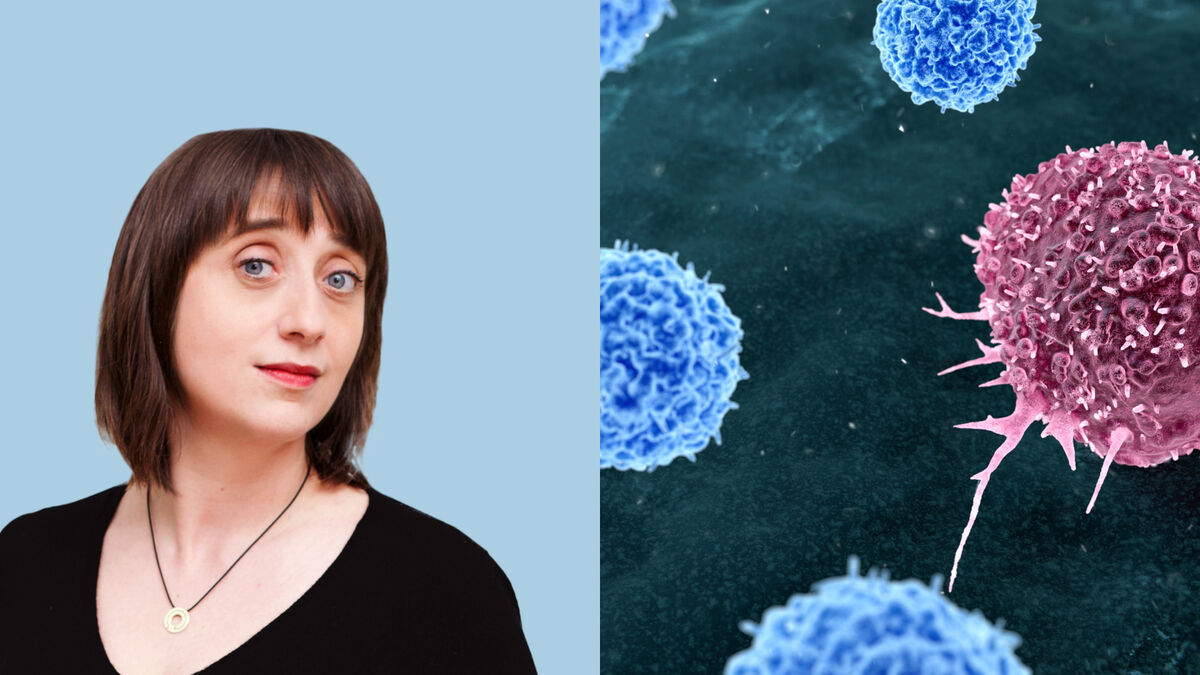
Advancements in Cancer Treatments: What You Need to Know
Cancer continues to reign as one of the most daunting health challenges faced globally. Recent advancements in cancer treatments have sparked hope and interest within both the medical community and the general public. With ongoing research and innovative therapies, understanding the state of cancer treatments is essential.
Understanding Cancer: A Brief Overview
Cancer is characterized by the uncontrolled growth of abnormal cells in the body. These cells can invade and damage surrounding tissues, leading to a multitude of health complications. The World Health Organization estimates that cancer was responsible for nearly 10 million deaths worldwide in 2020. Understanding the types and stages of cancer can provide insight into ongoing treatment advancements.
The Types of Cancer and Their Treatments
Different types of cancer respond differently to treatment. Common forms include breast cancer, lung cancer, colorectal cancer, and leukemia. Each of these types has specific treatment protocols, which may include:
- Surgery: Removing cancerous tissue.
- Radiation therapy: Using high-energy rays to kill cancer cells.
- Chemotherapy: Utilizing drugs to kill or slow the growth of cancer cells.
- Immunotherapy: A newer approach that harnesses the body’s immune response to combat cancer.
- Targeted therapy: Drugs directed at specific molecules involved in cancer progression.
Recent breakthroughs have improved survival rates, especially for breast and lung cancer, with the continued exploration of personalized medicine.
The Evolution of Cancer Treatments
Over the last few decades, advancements in technology have transformed how cancer is treated. For instance, targeted therapies and immunotherapies have emerged from extensive research, offering patients less invasive and more effective options.
Targeted therapies have changed the game for those with specific mutations. Drugs like Trastuzumab (Herceptin) for HER2-positive breast cancer have shown remarkable efficacy. By focusing on the unique characteristics of a tumor rather than treating all cancer cells indiscriminately, these therapies minimize side effects and enhance recovery.
Immunotherapy, on the other hand, is revolutionizing cancer treatment by utilizing the body’s own immune system to fight cancer. Agents such as Checkpoint inhibitors (like Pembrolizumab and Nivolumab) have been making headlines due to their success in treating advanced melanoma and lung cancer.
Survival Rates and Prognosis
Survival rates for many cancers have been improving, mainly due to advanced treatment methods and early detection. The American Cancer Society highlights that:
- The five-year relative survival rate for breast cancer is approximately 90%.
- Lung cancer survival rates have improved from 14% to nearly 22% in the past decade.
While some cancers like testicular cancer have a near 100% survival rate post-treatment, others still yield poorer outcomes. Factors such as timing of diagnosis, cancer type, and treatment response play crucial roles in patient survival.
Current Research Trends in Oncology
The landscape of cancer research is rapidly evolving. Significant efforts focus on improving diagnosis, enhancing treatment efficacy, and making therapies accessible to diverse populations. Key research areas include:
- Liquid Biopsy: This technique looks for cancer cells or fragments of DNA in the bloodstream, allowing for early detection without invasive procedures.
- Artificial Intelligence (AI): AI is being used to analyze data and identify potential drug candidates more efficiently.
- Personalized Medicine: Tailoring treatment based on an individual’s genetic makeup is set to become a standard practice.
New trials and studies are launched every day, raising optimism that certain cancers could soon become manageable chronic conditions rather than fatal diseases.
Participating in the Global Conversation
As cancer treatments become a focal point in healthcare discussions, attending conferences like the annual ASCO (American Society of Clinical Oncology) meeting is invaluable. Health reporters and researchers gather to share the latest findings, treatment breakthroughs, and patient stories.
This year, journalist Véronique Hunsinger will host a live session from Chicago on June 2, addressing vital questions concerning cancer advancements. As she engages with experts, Hunsinger will explore what the future holds for cancer therapy, answering pressing questions like: “Which cancers have seen the best responses to treatment?”
By staying informed and engaged, we can collectively contribute to the fight against cancer and support those affected by this pervasive disease.
In summary, significant strides are being made in the realm of cancer treatment. While we witness promising advancements, it is crucial to maintain realistic expectations about cure rates and side effects. Through continuous research, patient participation, and global dialogue, we can hope to see even better outcomes in the fight against cancer, working towards a future where fewer lives are lost to this formidable adversary.