
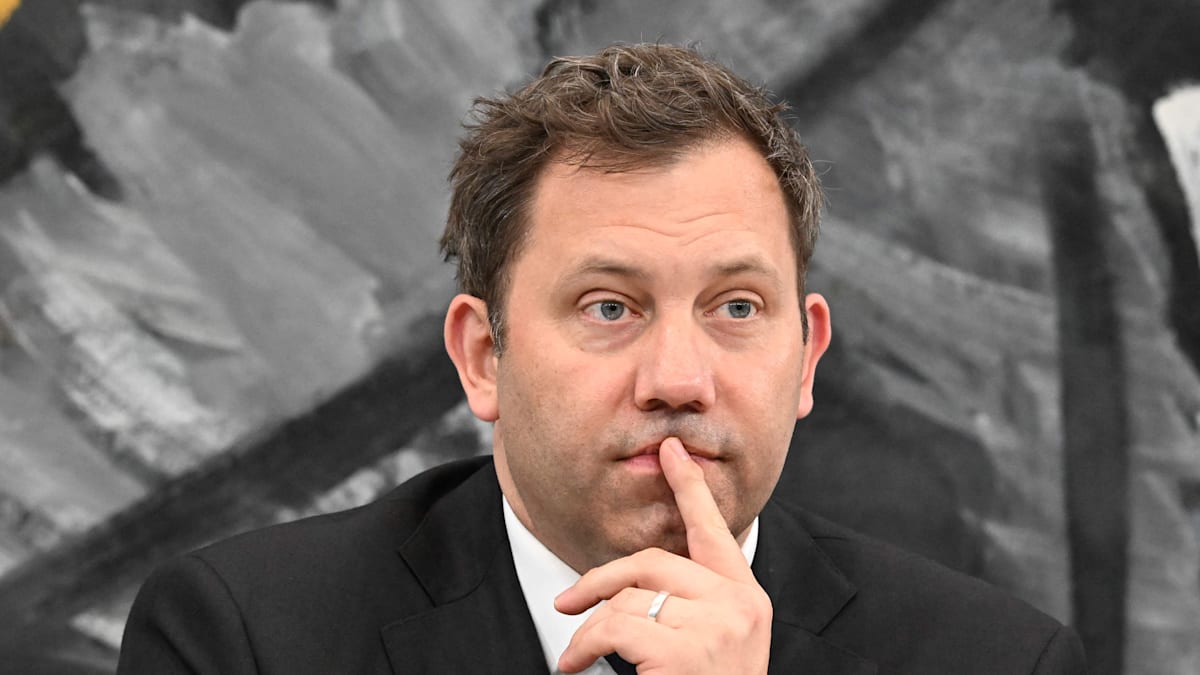
Major Tax Cuts for German Businesses Proposed by Finance Minister Lars Klingbeil
Finance Minister Lars Klingbeil (SPD) has reportedly proposed significant tax cuts for companies, aiming to reach €17 billion by 2029. This plan includes an investment booster , a reduction in the corporate tax rate , and new depreciation provisions for electric vehicles .
According to a report from the “Handelsblatt”, Federal Finance Minister Lars Klingbeil (SPD) is initiating comprehensive tax cuts for businesses. The proposed tax relief measures are designed to accumulate over several years, ultimately totaling €17 billion by 2029, as stated in a draft law reported by the newspaper.
Klingbeil aims to implement several measures agreed upon by the Union and SPD in their coalition agreement. These initiatives comprise an investment booster, a decrease in corporate tax rates, and new depreciation options for electric vehicles.
Investment Booster and Corporate Tax Rate Reduction
The investment booster refers to special depreciation allowances for companies investing between 2025 and 2027. A 30% depreciation will apply to investments made between June 30, 2025, and January 1, 2028. Following this period, a reduction in the corporate tax rate is expected. Starting January 1, 2028, the tax rate is proposed to decrease from 15% to 10% in five phases by 2032.
Additionally, the tax research grant will be expanded, making it more favorable for businesses focusing on innovation. Special depreciation is also planned for companies purchasing electric vehicles, allowing for a 75% depreciation in the year of purchase.
Growing Tax Relief Over the Years
The volume of these tax cuts is expected to increase annually, as noted by the Handelsblatt . In 2025, the tax relief for companies is projected to amount to €2.5 billion. This figure is expected to rise to €8.1 billion in 2026 , and ultimately reach €11.3 billion by 2029 .
Since the focus is primarily on depreciation through the investment booster, the government’s revenue will decline over time. For instance, in 2025, the loss in revenue is estimated at €630 million , escalating to €4 billion in 2026 and culminating in €17 billion in 2029. The tax losses will be distributed among the federal government, as well as states and municipalities.
rtr/saha
Potential Impact on the German Economy
The proposed tax cuts aim to stimulate the German economy by encouraging businesses to invest in growth and innovation. By reducing the burden of corporate taxes, the government hopes to enhance competitiveness within the market. Investments in technology and sustainable solutions such as electric vehicles can lead to jobs and economic growth, aligning with Germany’s long-term goals of sustainability and innovation.
The implementation of generous investment incentives can attract foreign investments, further solidifying Germany’s position as a key player in the European market. Moreover, by supporting the automotive sector, particularly with a focus on electric vehicles, the government aims to ensure a transition towards a more eco-friendly economy.
The Broader Implications for Companies
For companies, the envisioned measures present significant opportunities. The 30% depreciation for investments in 2025, 2026, and 2027 can improve cash flow and facilitate more extensive capital allocation toward other growth strategies. The decrease in corporate tax rates from 15% to 10% by 2032 would provide a long-term advantage, allowing businesses to reinvest profits back into their operations.
Additionally, the special depreciation for electric vehicle purchases acts as a catalyst for environmental responsibility within the corporate sector. By incentivizing the adoption of green technologies, companies can not only contribute to a healthier planet but also benefit from favorable taxation conditions.
Future Outlook
The proposed tax relief package set forth by Finance Minister Klingbeil reflects a strategic approach towards steering the German economy through challenging times. By fostering an environment conducive to investment, growth, and sustainability, the government aims to secure a brighter future for both businesses and the nation.
As discussions surrounding these proposals progress, stakeholders from various sectors will closely monitor how these changes could shape economic landscapes, and the potential implications for small and medium enterprises (SMEs) and larger corporations alike.
Given the ambitious nature of these reforms, they could serve as a crucial benchmark not only for Germany but also for other countries contemplating similar measures to foster economic resilience in today’s volatile financial climate.
In conclusion, the plans laid out by Lars Klingbeil have the potential to shift the economic paradigm in Germany and beyond, setting the stage for enhanced business capabilities and a greener future. As the policy unfolds, its effectiveness will largely depend on collaborative efforts from all involved parties to ensure that these proposed benefits translate into tangible outcomes.