
Severe Storms Affecting Alsace: Understanding the Recent Weather Events
In recent days, Alsace has experienced a significant weather disruption characterized by intense storms and heavy rainfall. Various municipalities, particularly in the Obernai area, have been adversely impacted, leading to widespread reports of floods, downed trees, and hail. These unpredictable weather patterns have raised concerns among the local population regarding safety and preparedness for future events.
Impact of Heavy Rainfall in Valff
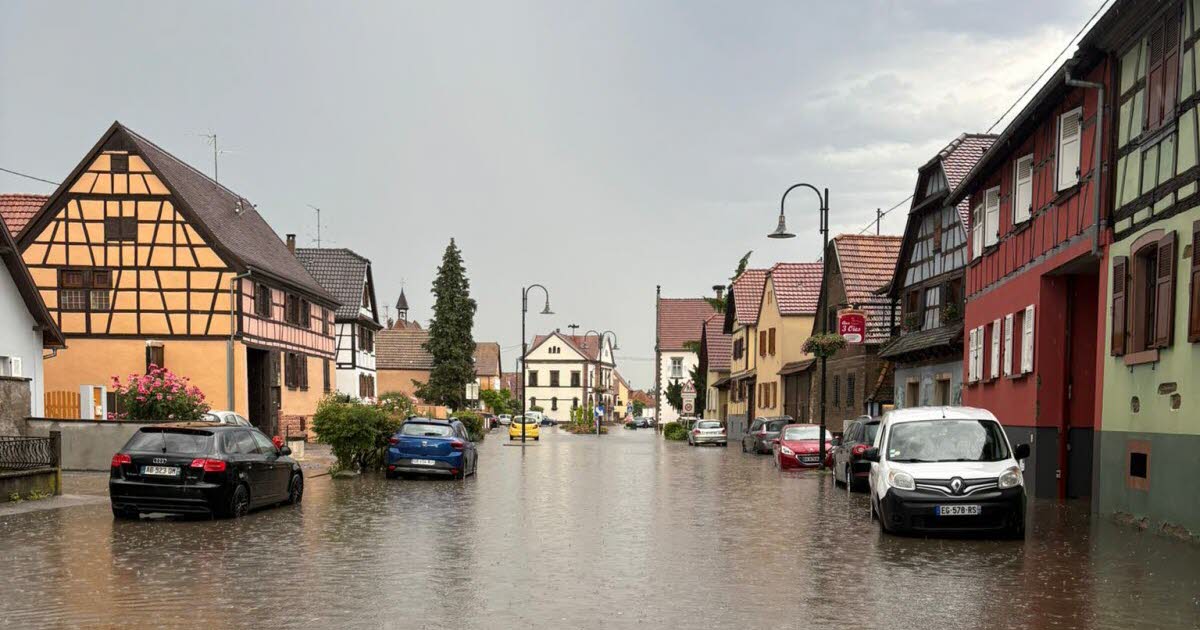
Valff, a small municipality in the Obernai region, has been one of the hardest-hit areas. Residents reported several flooded streets after torrential rain fell overnight, making it difficult for citizens to navigate their neighborhoods. Local authorities issued advisories urging people to stay indoors as emergency services dealt with the aftermath of the storm.
The heavy downpours led to rapid water accumulation in low-lying areas, and many locals shared visuals of inundated cars and overwhelmed drainage systems. These turbulent conditions underline the worrisome trend of increased rainfall in the region, raising questions about infrastructure resilience in the face of climate change.
Stormy Weather across Strasbourg
Strasbourg, the capital of the Alsace region, did not escape the storm’s reach either. Reports of downed trees and electrical wires flooded social media platforms, with citizens posting images of the chaos brought about by the severe winds. Emergency responders worked tirelessly to clear roads and restore power, ensuring public safety amidst the ongoing turbulence.
The storms were accompanied by lightning strikes, which heightened concerns further. Local meteorological services announced that they were putting several areas under yellow alert, highlighting the potential for continued storm activity and the risk of severe urban flooding.
Hailstones and Damage
Another significant aspect of these storms was the occurrence of hail in areas such as Heiligenstein. Hailstones, which reached substantial sizes, caused damage to vehicles, crops, and property, prompting agriculture experts to express concern over the repercussions for local farmers. Crop insurance rates may increase as farmers assess the toll taken on their fields.
Visual reports indicated landscapes littered with ice accumulation, showcasing the destructive power of the storms. Farmers are now left contemplating how to protect their crops from such unpredictable and severe weather conditions moving forward.
Vigilance Amidst Uncertainty
Météo France has issued ongoing advisories, placing the Bas-Rhin department under yellow vigilance due to the potential for further storms. The organization has warned of lightning activity and heavy rain, continuing to emphasize the unpredictability of the weather in the upcoming days. Citizens are advised to remain cautious and prepare for potential evacuations in case the forecasts materialize.
Weather models indicate a chaotic pattern for the upcoming weekend, with expectations of both heat waves and thunderstorms impacting the region significantly. This instability leaves many asking what measures can be taken to safeguard their homes and livelihoods from the increasingly dramatic weather patterns.
The Broader Implications for Alsace
These weather events are not isolated occurrences but part of a growing trend in climate variability seen across Europe. As storms become more severe and frequent, communities like those in Alsace are left grappling with the consequences. Experts are calling for urgent discussions around improving storm response infrastructures, enhancing predictive weather technologies, and building community awareness regarding climate adaptation strategies.
Conversations around urban planning must now include strategies that focus on resilience against flooding, heat waves, and extreme storms. As climate science evolves, individuals and communities are urged to remain educated and proactive regarding these shifting weather patterns.
The response of local governments will be crucial in implementing long-term solutions that prioritize community safety and environmental sustainability. Engagement from the public in these discussions is essential to create a comprehensive approach toward managing these challenges effectively.
Residents in Alsace can only hope for clearer skies and respite from the tumultuous weather, but preparations must be made for the possibility of further storms and other severe weather in the future. Taking proactive steps, gathering community support, and listening to weather advisories will be vital in navigating this weather crisis.
With ongoing vigilance and response actions, the people of Alsace may find ways to adapt to this ever-changing climate landscape while fostering a resilient community that can withstand future challenges.