
| IN BRIEF |
|
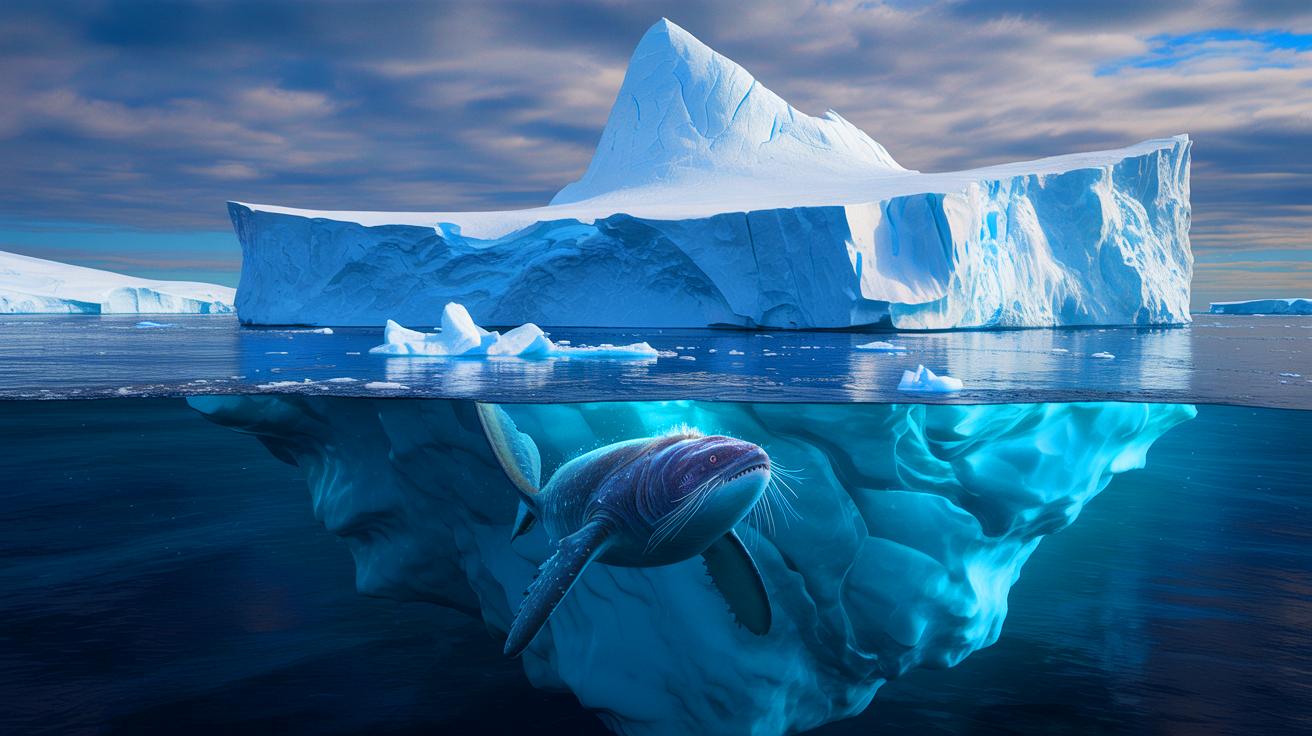
Antarctica, the mysterious and frozen continent, has recently unveiled secrets long buried, triggered by the dramatic calving of an iceberg. This event in 2025 provided scientists with the opportunity to discover rare marine creatures that had remained invisible for millennia. This revelation offers a unique chance to better understand the marine ecosystems of this remote part of our planet. The ecological and scientific implications of this discovery are substantial, prompting us to rethink our knowledge of polar environments.
A Calving with Major Ecological Consequences: The Discovery of Marine Creatures
The detachment of this massive iceberg resulted in notable ecological repercussions. This phenomenon revealed seabeds that had long remained cloaked in darkness, opening a new window for researchers. These previously unexplored territories under Antarctica were examined by a team of American scientists, who observed extraordinary and rare creatures. These findings shed light on new ecological dynamics and underscore the significance of these fragile ecosystems.
Among the creatures discovered, some exhibit astonishing physiological traits adapted to the extreme conditions of Antarctica. These adaptations testify to nature’s ingenuity in ensuring survival in hostile habitats. This reinforces the importance of conserving these unique and vulnerable environments.
“They weigh more than a plane and dominate the Earth”: Here are the 8 largest mammals in the world
The Incredible Diversity of the Antarctic Ecosystem Unveiled
The explorations conducted following the iceberg’s detachment revealed an unexpected biological diversity beneath the polar ice. Contrary to popular belief, these waters are not devoid of life. They host a rich and varied ecosystem, ranging from microscopic plankton to recently discovered predators. Researchers have also highlighted unique bacteria that are essential to the local nutrient cycle.
This ecological diversity is threatened by the effects of climate change, particularly due to the accelerated calving of icebergs. These abrupt environmental changes can disrupt local ecological balances. Preserving these ecosystems is crucial for ensuring their survival in the face of current climate challenges.
Technological Aspect: Innovations Used During Exploration
Exploring the icy depths of Antarctica requires advanced technological tools. Remotely operated underwater drones equipped with high-definition cameras have played a crucial role in these expeditions. These devices allow researchers to collect valuable data without disturbing the natural environment.
Additionally, smart buoys have been deployed to gather information on water temperature and chemical composition. These devices facilitate researchers’ work by providing essential data remotely. Technological advancements are opening new horizons for the study and preservation of polar ecosystems.
Shocking investigation: these famous influencers who buy followers to make money
| Technology | Function |
|---|---|
| Underwater Drones | Capture high-definition images |
| Smart Buoys | Collect environmental data |
Future Research Perspectives
Recent discoveries in Antarctica open vast avenues for scientific research. Genetic analysis of the specimens uncovered will deepen our understanding of ecological networks and the evolution of life under extreme conditions. Strengthening international cooperation could be essential in financing the exploration and conservation of these polar regions.
These research efforts will contribute to raising public awareness about the fragility of polar ecosystems and their preservation’s importance. In a context of global climate warming, how can we ensure the protection of these unique and vital ecosystems for our planet’s balance? The author employed artificial intelligence to enrich this article.
Did you enjoy this? 4.7/5 (27)