
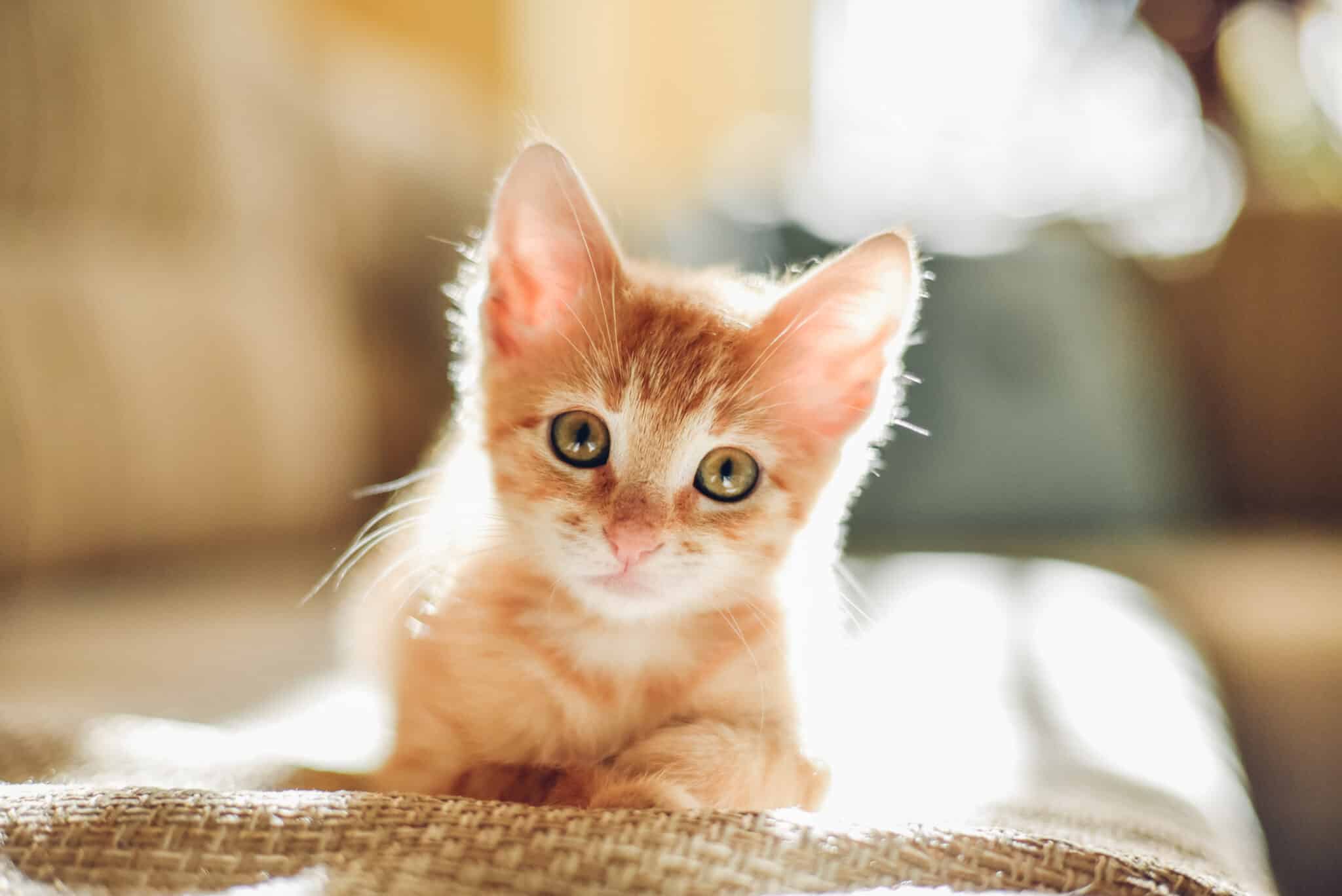
The Mystery of Ginger Cats: Why So Many Are Male?
Ginger cats have captivated the hearts of many cat lovers around the globe. Their striking orange coats and playful personalities often make them the center of attention. However, there’s a fascinating question surrounding these felines: Why are so many ginger cats male? Recent scientific research sheds light on this age-old mystery.
Understanding the Genetic Basis
The enigma of the ginger cat’s predominance in male populations is rooted in genetics. Studies led by researchers from Stanford University and Kyushu University have identified a critical mutation on the X chromosome that leads to the distinctive orange fur. This mutation affects a gene known as ARHGAP36, which plays a crucial role in determining feline coat color.
The ARHGAP36 Gene: A Key Player
The ARHGAP36 gene’s mutation effectively disables a segment of DNA that normally suppresses the gene’s activity. When this suppression is lifted, ARHGAP36 becomes more active, triggering higher production of phéomélanine, a type of melanin responsible for the orange and red hues in the fur. Thus, the presence of this mutation leads directly to the orangey coloration observed in so many male cats.
The Chromosomal Explanation
To grasp why male cats are more likely to show these ginger traits, one must recall some basic biology. In felines, males possess one X chromosome and one Y chromosome, whereas females have two X chromosomes. If a male inherits the ginger mutation on his sole X chromosome, he will display the orange coat color. In contrast, females need two copies of the mutated X chromosome to achieve the same result, which is a much rarer condition. Consequently, many female cats with just one mutated X chromosome often exhibit a “calico” or “tortoiseshell” pattern, characterized by a mix of black, orange, and white fur. This pattern is particularly common due to the genetic dynamics of coat color inheritance.
Implications for Coat Patterns
The genetic dynamics explained above illustrate how rare it is for female cats to have the orange coat. With most ginger cats being male, this has led to the widespread belief that male cats are not just more common but also arguably more playful or quirky than their female counterparts.
Are Ginger Cats More Playful?
An prevailing notion among cat enthusiasts is that ginger cats tend to be more outgoing and sociable compared to cats of other colors. Some research, however, indicates that there may not be a significant difference in the behavioral expression of males and females concerning the ARHGAP36 gene itself. The potential differences in behavior might stem from the fact that a larger majority of ginger cats are male, leading to a bias in how we perceive their playful tendencies.
The Social Implications
Such assumptions about the personalities of ginger cats may also be influenced by the general behavioral traits associated with male felines. Research indicates that certain behaviors, such as heightened playfulness and sociability, are more common among male cats compared to females. The observable traits may not purely be a consequence of their coat color but may also reflect underlying behavioral patterns typical in male cats.
A Long-standing Mutation
The mutation responsible for the ginger fur color has a rich history. Historical records and art from as far back as the 12th century have depicted cats exhibiting calico and other multicolored patterns, suggesting this genetic trait has been present for centuries. Current researchers, including Hiroyuki Sasaki, are eager to delve deeper to ascertain when exactly this mutation emerged during the evolution of domestic cats. Investigations may include examinations of ancient DNA from mummified cats and artworks from earlier periods.
Relevance for Cat Lovers
This research not only satisfies our curiosity but also highlights how genetics lays the groundwork for observable traits in our feline friends. Understanding the genetic basis behind why so many ginger cats are male can help foster greater appreciation for the complexities of cat genetics and how traits are inherited.
Future Research Directions
The discovery regarding ARHGAP36 demonstrates the intricate complexities within the genomic structure of cats, revealing that there are layers of understanding yet to be unraveled. Future studies may uncover additional intricacies related to this gene, perhaps even extending to other notable fur colors in cats. As science continues to evolve, cat lovers remain excited about potential breakthroughs that may shed light on further genetic mysteries held within our beloved pets.
In conclusion, the understanding of why so many ginger cats are male opens a door to a greater appreciation of their uniqueness. These brilliant orange felines are not just a sight to behold; they embody a complex tapestry of genetic factors that speak to their charm and character.
Why are so many ginger cats males? This question has intrigued feline lovers for generations. Thanks to two new independent studies, science has finally uncovered the mystery. Researchers at Stanford University (USA) and Kyushu University (Japan) have identified the genetic mutation responsible for orange fur, revealing much more than just the color of these fascinating animals.
An Enigma Over a Century Old
Scientists have long suspected that genes associated with the X chromosome were responsible for the red coat of domestic cats. This link seemed evident: about 80% of orange cats are male, a proportion heavily skewed compared to the average. But until now, no study managed to pinpoint the specific gene involved.
That’s no longer the case. The two research teams, working independently, have finally discovered the key mutation that activates a gene named ARHGAP36, found on the X chromosome. This mutation removes a segment of DNA that usually restrains the activity of this gene. The result is that ARHGAP36 becomes more active—and that triggers the appearance of the orange coat.
A Question of Chromosomes
To understand why red cats are predominantly male, we must return to basic biology. Like humans, male cats possess one X chromosome and one Y chromosome, while females have two X chromosomes. If a male inherits an X chromosome carrying the mutation, that’s enough to activate ARHGAP36 and give him an orange coat.
Conversely, for females, the mutation must be present on both X chromosomes to produce a fully red cat. This is much rarer. When a female cat has only one mutated X chromosome, the result is often a “calico” or “tortoiseshell” coat—a complex mix of black, white, and orange—and these patterns are almost exclusive to females for this genetic reason.
The ARHGAP36 Gene: The Maestro of Coat Color
The identified mutation acts on ARHGAP36, a gene involved in cellular regulation, active in many tissues including the brain and hormonal glands. Thus, it is not merely a coat gene. Researchers from Kyushu noted that ARHGAP36 was particularly active in the orange areas of the coats of calico cats, reinforcing its central role in pigmentation.
But how does this gene produce the orange color? It all comes down to two types of melanin present in mammals: eumelanin, responsible for black and brown shades, and phaeomelanin, which accounts for yellow, red, and orange tones. By activating ARHGAP36, the mutation would promote the production of phaeomelanin, thereby explaining the characteristic shade of red fur.
Credit: iStock
Credits: Okssi68/istock
Are Ginger Cats Really More Quirky?
Many cat owners assert that ginger cats are more playful, sociable, and perhaps even a bit more “quirky” than their counterparts of other colors. Is this a myth? Perhaps not. Even though researchers at Stanford didn’t find significant differences in the expression of ARHGAP36 in the brains of ginger and non-ginger cats, they do not rule out the possibility of an indirect effect on behavior.
It is also possible that this impression is skewed by the fact that the majority of ginger cats are male, and certain specific behaviors are more frequently observed in males than in females.
An Ancient Mutation… But When Exactly?
The mutation responsible for the orange coat is not new. Medieval paintings dating from the 12th century already show cats with calico fur, proving this feature existed at least 900 years ago. The question remains as to exactly when this mutation appeared in the history of feline domestication.
This is a question that researchers hope to answer soon. Hiroyuki Sasaki, the Japanese geneticist leading the Kyushu study, is contemplating analyzing the DNA of mummified cats from ancient Egypt or studying older works of art to spot potential representations of ginger cats.
A Discovery that Will Delight Cat Lovers
What this discovery shows is how much genetics can harbor fascinating mysteries, even in animals as familiar as our domestic cats. With this mutation and its impact on the gene ARHGAP36, science finally understands why so many ginger cats are male and what this reveals about the transmission of hereditary traits.
And who knows? Perhaps future studies will reveal even more secrets buried in the genome of our whiskered companions.
The details of the study are published in the journal Current Biology.