
“WHAT WAS THAT EXPLOSION?”
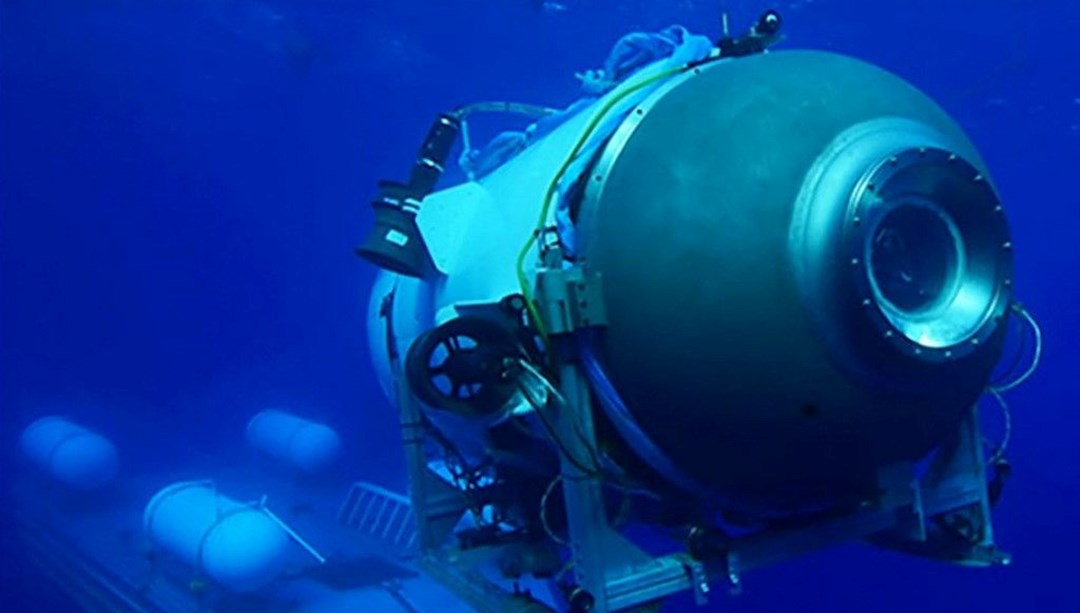
BBC has gained access to an investigation by the U.S. Coast Guard (USCG) for a documentary titled Implosion. Recently obtained footage by the USCG shows Wendy Rush, the wife of the submersible’s pilot, hearing an explosion while watching from the support vessel. She can be heard asking, “What was that explosion?” This distressing moment is a crucial piece of evidence presented to the USCG Marine Investigation Board, which has spent the last two years investigating the malfunction of the submersible.
This documentary also reveals that the carbon fiber used in constructing the Titan submersible started to break down a year prior to the fatal dive. The Titan’s support vessel was present in the Atlantic Ocean during the submersible’s descent. In the video, Wendy Rush, who serves as an executive at Oceangate, is seen sitting in front of a computer used for sending and receiving messages from the Titan, clearly depicting the tense environment leading to the tragic event.
THE INVESTIGATION UNFOLDS
The investigation undertaken by the USCG is a meticulous effort to piece together the events leading up to the explosion. Inquiries into the submersible’s construction highlight multiple concerns regarding safety and quality control. Testimonies from experts indicate that the materials used may not have been suitable for deep-sea exploration.
In particular, the carbon fiber was deemed substandard. This material, while lightweight and strong, may not have been adequately tested for the extreme pressures found at great ocean depths. As a result, experts argue that the structural integrity of the Titan was compromised long before its last voyage.
THE IMPORTANCE OF REGULATION
This incident raises critical questions about safety regulations in the field of submarine exploration. Many industry insiders believe that the existing rules may not be stringent enough when it comes to ensuring the safety of such innovative technologies. The tragedy of the Titan serves as a wake-up call for regulatory bodies to reevaluate safety measures and operational protocols in underwater exploration.
Regulatory compliance is vital, especially when companies rush to capitalize on emerging technologies. In many cases, the push for advancement can overshadow critical safety considerations. This incident serves as an important lesson illustrating the need for rigorous checks and balances in the design and operation of deep-sea vehicles.
THE ROLE OF TECHNOLOGY
Ironically, the very technology that failed in the Titan incident was once hailed as revolutionary. Modern exploration relies on advanced gadgets, including real-time communication tools that enhance safety protocols. However, these tools can sometimes provide a false sense of security. In this case, Wendy Rush’s communication device may have been operational, yet the catastrophic failure left them unprepared for the worst-case scenario.
As technology evolves, companies must ensure that their innovations align with stringent safety standards. The balance between ambition and caution is crucial. It is imperative for organizations like Oceangate to prioritize safety without stifling innovation.
LESSONS LEARNED
The Titan tragedy has far-reaching implications. Investigating experts point out that the lessons learned here will likely influence the protocols for future deep-sea exploration. This incident may prompt a reevaluation of design practices, more in-depth material testing, and better training for pilots and support staff.
Changes may also ripple through the industry, leading to improved regulations that ensure that safety is of the utmost importance. These improvements may include more substantial oversight of both new and existing submersibles, mandatory safety drills, and thorough inspections by independent agencies.
CONCLUSION
In the aftermath of such unforeseen calamity, it is important to ask ourselves: Are we doing enough to ensure the safety of those venturing into the unknown? The Titan incident underlines the essential need for comprehensive oversight in the field of underwater exploration. As tragedy unfolds, it acts as a critical reference point for the future, steering regulatory changes and emphasizing the balance between technology and safety. Ultimately, any lessons learned from this disaster must serve as a catalyst for growth and improvement in safety standards across deep-sea explorations.