
Israel’s New Shin Bet Director: A Controversial Appointment
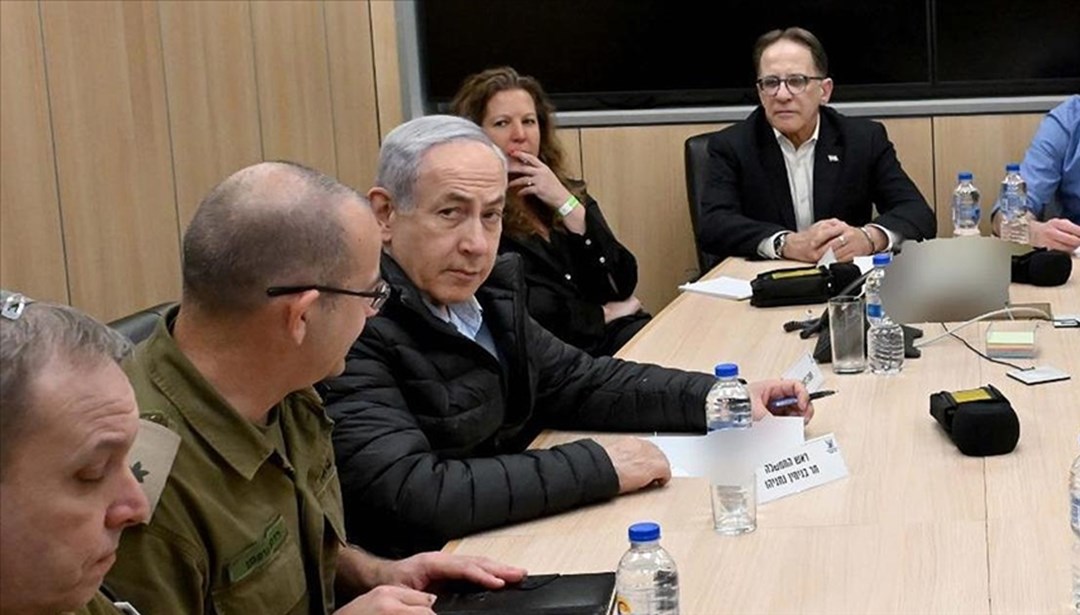
In a significant move that has sparked controversy within Israeli politics, Prime Minister Benjamin Netanyahu has appointed Major General David Zini as the new director of the Shin Bet (Israel’s internal security service). This decision follows the dismissal of Ronen Bar, whose exit from the agency raised eyebrows due to the timing and circumstances surrounding his removal.
Political Implications of the Appointment
Netanyahu’s decision to appoint Zini has been criticized by multiple quarters, especially given the legal proceedings that seemingly questioned the legitimacy of Bar’s dismissal. Observers highlight that rushing the appointment before the completion of legal investigations undermines transparency and governance in the security sector. According to Israel’s state broadcaster KAN, Netanyahu’s actions appear to contradict a ruling by the Israeli Attorney General that indicated Bar’s ousting was not legally justified.
This controversy raises questions surrounding the provision of security in Israel and whether political maneuvering is endangering the integrity of vital institutions like the Shin Bet. Notably, through these developments, there is growing discourse on the implications for national security amidst ongoing regional tensions.
The Backstory of Ronen Bar’s Dismissal
Ronen Bar was removed from his position based on accusations of losing the Prime Minister’s confidence, a claim that relates closely to operational decisions made concerning national security. This uncertainty is not just intrinsic to the security dynamics but also reflects the political climate under Netanyahu’s governance.
The Israeli Supreme Court ruled on the legality of Bar’s dismissal, asserting that there were no justifiable grounds for his removal. This development underscores the friction between legal authority and political actions, creating an environment of mistrust and uncertainty among the Israeli populace.
The Reaction from Opposition and Security Experts
The opposition has been vocal regarding Netanyahu’s latest appointment, specifically targeting the implications this may carry for Israel’s internal security. Yair Lapid, leader of the main opposition party, criticized the appointment on social media, framing it as a potential conflict of interest. He urged for more stability and transparency in governmental actions that directly impact national security.
Security experts have expressed concerns that such politically contentious appointments might create fissures within the Shin Bet, an organization that thrives on trust, discretion, and effectiveness. In an era where security threats are multifaceted—ranging from regional hostilities to internal strife—maintaining institutional integrity must remain paramount.
Shifting Tides in Israeli Politics
These developments are a microcosm of the broader shifts affecting Israeli politics. Netanyahu’s tenure has often been marred by controversies, ranging from judicial reforms to allegations of corruption. The appointee’s potential inability to operate independently may stifle necessary reforms within the Shin Bet and complicate efforts to address pressing national security challenges.
As the political landscape evolves and the government faces increased scrutiny, Netanyahu’s handling of the Shin Bet directorate will be a crucial test. Will the new appointment help restore faith among citizens or further exacerbate dissent?
Public Sentiment and Accountability
Amidst the political tumult, public sentiment is shifting. Citizens are increasingly demanding accountability and transparency in how security measures are implemented. As debates about the necessity of stringent security protocols intersect with concerns about civil liberties, the role of the Shin Bet becomes even more pivotal in determining the trajectory of Israeli democracy.
The implications of Netanyahu’s choice of Zini may eventually reach beyond politics, impacting how the Shin Bet operates and interacts with both the government and the public. There is real concern that undermining the legal process in a politically charged environment may lead to a loss of credibility for the intelligence community.
The Future of Shin Bet under David Zini
What lies ahead for David Zini as the new Shin Bet director? His leadership will be scrutinized closely in the months and years to come. The organization is tasked with protecting the country from threats while ensuring civil liberties are not compromised. The blend of acting as a security agency while navigating the political maze will challenge Zini to prove his mettle as an operator and leader.
Zini’s experience in intelligence operations will be essential, but whether he can effectively steer the agency through the challenging waters of political influence remains to be seen. The key question is whether he can establish his authority while maintaining a degree of professional integrity essential to the Shin Bet’s function.
In conclusion, this turning point in the Israeli intelligence community brings to light significant questions about governance, law, and the fine line between politics and security. How the government elects to navigate these complexities will not only define Netanyahu’s legacy but will also shape the future of Israeli society fundamentally.