
Greece’s Response to Gaza Crisis: A Diplomatic Standoff
In the ongoing turmoil of the Gaza Strip, the European Union’s (EU) decision to reassess its trade relations with Israel has stirred significant debate. The Greek government, led by Prime Minister Kyriakos Mitsotakis, has faced intense scrutiny from left-wing opposition parties following its opposition to this EU move. This article delves into the responses from both the government and its critics, and the broader implications for Greece and international relations.
Mitsotakis Condemns Israeli Actions
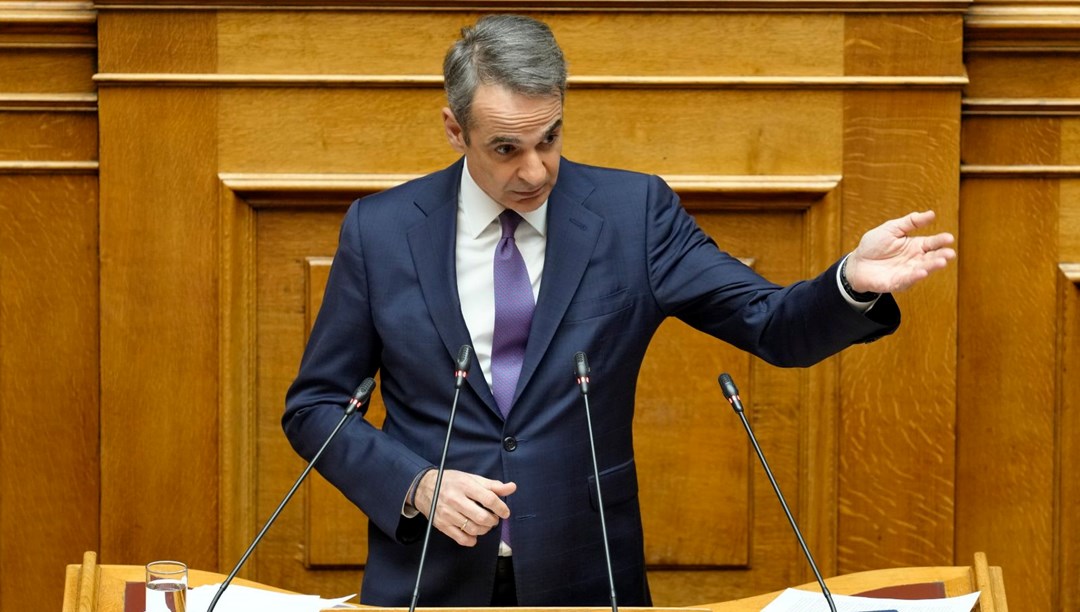
Kyriakos Mitsotakis has highlighted the humanitarian crisis in Gaza, emphasizing that the situation there has escalated over the last 19 months due to ongoing Israeli attacks, occupation, and blockades. He has publicly condemned these acts, labeling them as “indefensible and unacceptable.” Mitsotakis called on Israel to cease its military operations, articulating his concerns for the safety and well-being of the civilian population in Gaza. He urged for food and medical supplies to reach those in need without hindrance.
Calls for Humanitarian Actions
In an interview with Skai Radio, Mitsotakis stated, “I have no doubts when it comes to condemning what has been happening in Gaza recently. Israel needs to stop these operations. Humanitarian aid and medical supplies must be restored.” This statement reflects a clear stance on the necessity for an immediate ceasefire. The Prime Minister emphasized Greece’s role as a potential bridge-builder, tasked with conveying the harsh realities to its allies, particularly Israel. He expressed that if Greece were to play such a role, it must be through meaningful and sustained diplomacy.
Opposition Criticism
The leftist opposition in Greece, notably the PASOK party, has sharply criticized the government’s stance on the Gaza crisis and the EU’s position towards Israel. Nikos Androulakis, the leader of PASOK, stated that the government’s refusal to support the review of EU relations with Israel undermines Greece’s international standing. He labeled this stance as a betrayal to the Greek people and emphasized that the government should actively promote respect for international law and human rights.
Androulakis insisted, “The government must condemn the abhorrent events in Gaza, actively support a ceasefire, and advocate for a two-state solution in line with UN resolutions.” This indicates a call for a more proactive approach, not just in words but in actions.
A Complex Diplomatic Landscape
The Greek government’s decision has not been isolated. Other nations within the EU, including Cyprus and eight additional member states, have opposed the EU’s reevaluation. This group has faced backlash from numerous quarters, with opposition parties accusing them of placing geopolitical alliances over humanitarian needs. The situation presents a diplomatic conundrum for Greece, which has historically maintained good relations with both the United States and Israel.
Emphasis on Humanitarian Aid
The current conflict has further spotlighted the urgent necessity for humanitarian aid to reach the besieged populations. The Prime Minister reiterated the need for an uninterrupted supply of food and medical assistance. Acknowledging the escalating crisis, he advocated for an immediate humanitarian corridor. This call not only reflects the humanitarian responsibility that Greece perceives but also aligns with broader European sentiments aimed at addressing the plight of civilians caught in conflict.
Greece’s Challenge: Balancing Alliances and Ethics
The Greek government’s position illustrates the tension between geopolitical alliances and ethical obligations. While maintaining close ties with Israel, Greece faces mounting pressure from citizens and opposition parties to adopt a more humanitarian-centric stance. The ongoing crisis has brought to light fundamental questions regarding foreign policy, human rights, and the role of a nation in global conflicts.
As the situation unfolds, it’s clear that Greece must navigate a complicated web of relationships, weighing its obligations to allies against the moral imperative to address human suffering. The Prime Minister’s upcoming decisions will certainly be scrutinized, both domestically and internationally, as they shape Greece’s foreign policy in a volatile environment.
The Path Ahead
Going forward, Greece must consider the ramifications of its diplomatic choices amid this humanitarian crisis. The potential for a ceasefire, the need for robust diplomatic relations, and the proper delivery of humanitarian aid must be prioritized. Additionally, the Greek government can benefit from engaging more actively with the EU’s humanitarian policies and advocating for solidarity among member states. The stakes have never been higher, and how Greece positions itself will resonate well beyond its borders.
In conclusion, as the drama in Gaza continues to unfold, the implications for Greece’s diplomatic standing, its responsibilities towards international conflict resolution, and its commitment to human rights remain at the forefront of discussion. The Greek government is at a pivotal crossroads, needing to reinforce its humanitarian principles while navigating its complex alliances.