
The Ongoing Tensions: Iran-Israel Relations in Context
The Iran-Israel relationship is inherently complex and fraught with tension. As both countries navigate a volatile geopolitical landscape, recent developments surrounding nuclear negotiations further complicate their interactions. The failure of nuclear talks between the United States and Iran has sparked fresh fears of conflicts, notably highlighted by reports of potential Israeli military action against Iran’s nuclear facilities.
Iran’s Response to Israeli Threats
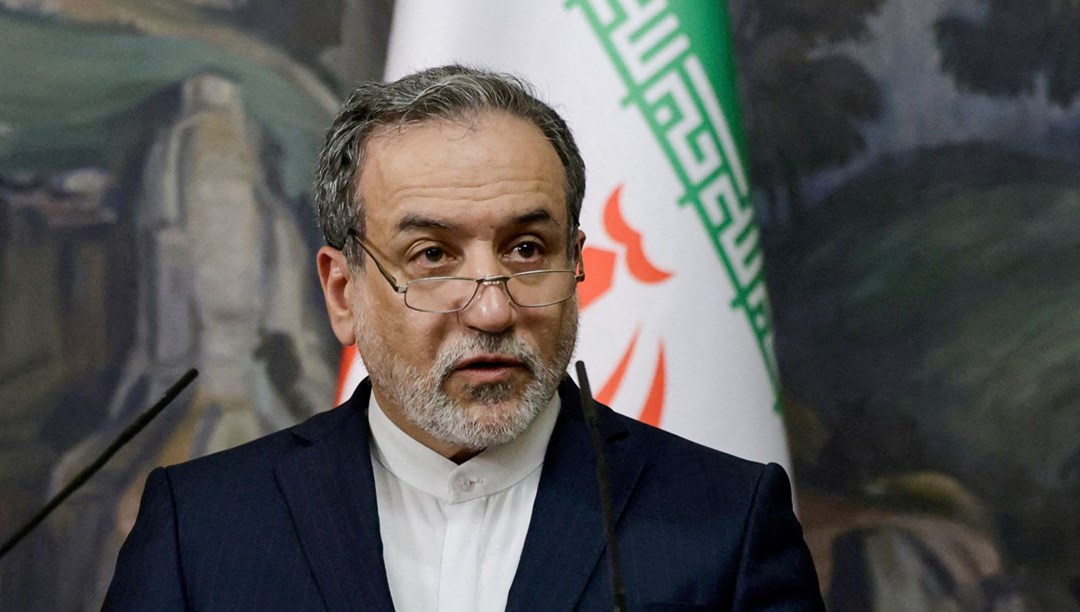
In light of these reports, Iranian Foreign Minister Abbas Arakchi articulated Iran’s stance through a letter addressed to the United Nations. He emphasized that any Israeli attack on Iranian nuclear sites would implicate the U.S. government’s responsibility. According to AFP, Arakchi confirmed, “We believe that the U.S. government will bear legal responsibility for any attack by the Zionist regime on nuclear facilities of the Islamic Republic of Iran.”
This assertion raises critical questions about the dynamics of international law and accountability in times of conflict. In his communication, Arakchi expressed the need for immediate action from the UN Security Council and the International Atomic Energy Agency (IAEA) to address the situation, labeling the threats from Israel as a serious challenge that cannot be overlooked.
Call for Preventive Measures
Arakchi has been vocal on social media platforms, further elaborating on Iran’s concerns about the ongoing threats posed by Israel. He called upon the international community to develop effective and preventive measures against these threats. Arakchi warned that if left unaddressed, these provocations may compel Iran to take defensive actions to protect its nuclear facilities and materials, which could escalate the situation into open conflict.
His statement addressed the gravity of the context, framing it as a serious pre-emptive warning regarding the actions that Iran might undertake in response to any aggression.
Binyamin Netanyahu: A Target of Criticism
Among the key figures in Israeli politics, Prime Minister Binyamin Netanyahu has come under severe scrutiny. Arakchi highlighted that Netanyahu is currently wanted by the International Criminal Court (ICC) as a “wanted war criminal.” He indicated that Netanyahu often distracts from legal troubles by shifting focus towards Iran, thereby undermining diplomatic efforts.
Arakchi’s remarks reflect a broader sentiment within Iran that they will not hesitate to respond forcefully to any perceived violations. "The Islamic Republic of Iran will not hesitate to respond strongly to any violations," he asserted, emphasizing the nation’s commitment to its interests and public safety.
The Revolutionary Guard’s Position
The Islamic Revolutionary Guard Corps (IRGC) also weighed in on the situation, suggesting that Israel’s military threats are misguided. IRGC spokesperson Alimohammad Naini commented that Israel underestimates the support Iran can count on from its populace during wartime. This statement underscores a growing sentiment within Iran that they are prepared for potential conflict and can galvanize military and civilian support effectively.
Israeli Military Preparations: An Urgent Recovery
As diplomatic discussions continue, new reports have surfaced regarding Israel’s military readiness. According to Axios, Israeli sources indicate that the country is accelerating preparations for a potential strike on Iran’s nuclear capabilities should negotiations falter. The Israeli Defense Forces (IDF) reportedly believe that the “window of opportunity for a successful strike could close soon," emphasizing the urgency of their military plans.
In recent months, training exercises and strategic preparations have intensified, confirming prior reports of Israel’s potential military engagements with Iran.
The United States’ Concerns
Compounding the tensions, U.S. officials have expressed concerns over Netanyahu’s potential military actions against Iran without explicit approval from the Trump administration. A senior U.S. official remarked on the heightened alertness in Washington regarding these escalations and emphasized the need for diplomatic channels to remain active.
The U.S. strategy traditionally supports diplomatic solutions, but Israel’s actions could potentially strain the relationship between the U.S. and its allies if proactive measures are not carefully managed.
Conclusion: A Fractured Diplomatic Landscape
As the situation develops, it becomes clear that the interplay between military preparedness and diplomatic negotiations is precarious at best. Both Iran and Israel face significant challenges as they navigate a complex geopolitical landscape rich with historical animosities and modern-day threats.
While diplomatic efforts continue, both nations remain on high alert, prepared for any eventuality that may arise from their tenuous relationship. The coming months will be crucial in determining whether diplomatic resolution is achievable or if military confrontation becomes inevitable.