
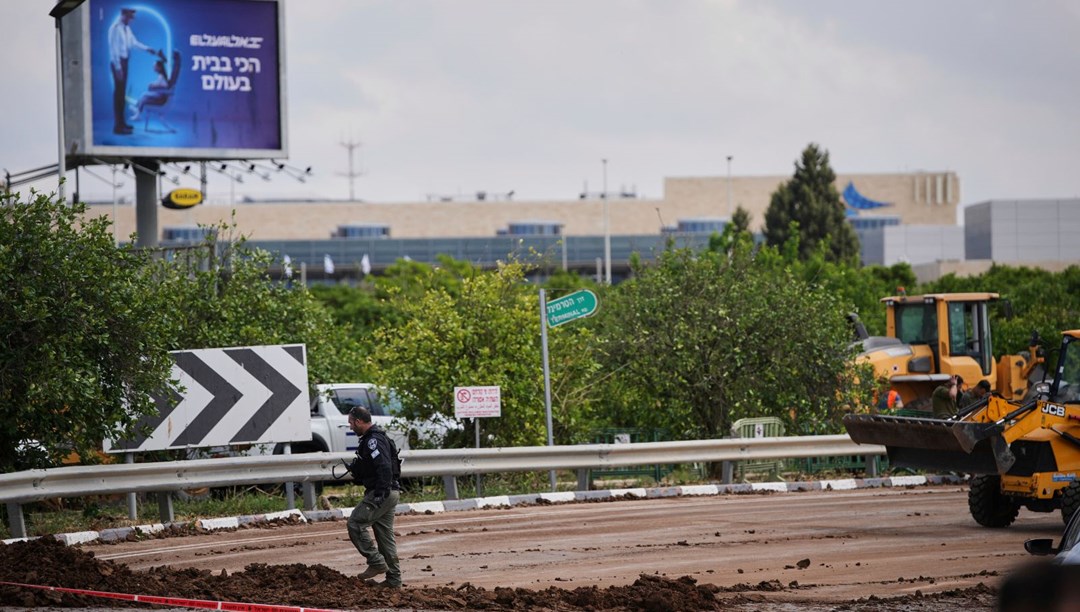
Rising Tensions: Yemeni Houthis Target Israel’s Ben Gurion Airport
In a significant escalation of regional conflict, Israeli media outlets reported an incident in which Yemen’s Iran-backed Houthis targeted Ben Gurion Airport, Israel’s primary gateway to the world. Following a missile launch from Yemen, the airport, located near Tel Aviv, temporarily suspended all flights as sirens blared, indicating the urgent need for heightened security measures.
Background of the Incident
According to reports from Israel’s Channel 12, the missile launch prompted an immediate response, causing airports in the vicinity to halt all landings and takeoffs. This action comes in the wake of a public declaration by the Houthis expressing their intent to attack Israeli locations. Amidst the sounding of sirens, airport officials directed passengers to shelters, further exacerbating disruptions in air traffic.
Houthi Claims of Missile Attacks
The Houthis have asserted that they successfully targeted two strategic locations in Israel: Ben Gurion Airport and other sites in Tel Aviv and Haifa. Houthi military spokesperson Yahya Sari claimed, "The armed forces of Yemen conducted a precise missile operation against Lod Airport (Ben Gurion) using the Zulfiqar ballistic missile." His statements exemplify the group’s growing boldness in its military capabilities and ambitions.
Simultaneously, the Israeli Defense Forces (IDF) reported that they had successfully intercepted two ballistic missiles fired from Yemen within the past 24 hours. As part of standard operating procedure, air raid sirens were activated across the region, indicating the potential threat to civilian and military infrastructure.
Previous Attacks on Israeli Targets
This isn’t the first time the Houthis have targeted Ben Gurion Airport. On May 4, they claimed to have struck this critical hub with a ballistic missile. The attack prompted international airlines to reconsider their flight paths, opting to suspend flights to Israel out of safety concerns regarding the ongoing hostilities.
Additionally, the Houthis issued warnings to airlines about the risks associated with using Ben Gurion Airport, emphasizing that the Israeli airport is no longer a safe option given the ongoing violence, particularly related to Israel’s military actions in Gaza. On May 20, the group declared that they would impose a blockade around Haifa Port, adding further tension to the already unstable situation in the region.
International Reactions and Consequences
The United States has also been actively involved in response to the Houthi threat. Starting in March, the U.S. announced military actions against the Houthis. In a contrasting diplomatic gesture, Omani Foreign Minister Badr al-Busaidi declared on May 6 that a ceasefire had been brokered between the U.S. and the Houthis, specifically aimed at curtailing attacks in the Red Sea and the Bab el-Mandeb Strait.
The fluctuating dynamics between military engagement and diplomatic negotiations underscore a complex regional picture. Notably, the Iranian support for the Houthis adds a layer of geopolitical tension that reflects broader Middle Eastern conflicts, influencing both regional and global security policies.
Implications for Regional Security
The targeted strikes by the Houthis could signify a shift in conflict dynamics, potentially expanding the range and scope of their military operations. They have demonstrated an increasing capability to strike deep into Israeli territory, which could escalate tensions not just between Israel and the Houthis, but also Iran and other regional powers. Such developments compel neighboring countries and the global community to reconsider their security strategies in light of these threats.
Aircraft Companies’ Response to Safety Risks
As a direct aftermath of these events, many international airlines have temporarily suspended or rerouted flights to Israel. The safety of passengers remains paramount, and with the heightened risk of conflict, the operational feasibility of continuing flights to affected regions is under serious review. The implications for tourism and business travel to Israel could be far-reaching, potentially leading to significant economic repercussions.
Growing Military Capabilities of the Houthis
The ongoing conflict underscores the growing military capabilities of the Houthi group, raising alarms for many regional governments and military analysts. By successfully launching missiles that can reach significant distances, the Houthis have altered the security balance in the region. Their capability to target key infrastructures like Ben Gurion Airport poses a genuine risk not only to Israeli air traffic but to the broader notion of security in the Middle East.
Strategic Assessment Moving Forward
Addressing the growing threats from Yemen’s Houthis necessitates a comprehensive strategic assessment focusing on both military readiness and diplomatic efforts. Stakeholders must weigh the delicate balance between deterrence and engagement, particularly as military actions may provoke further retaliation from the Houthis or even a broader conflict that could involve multiple regional actors aligned with either side.
The current events illustrate an intricate web of military, political, and diplomatic relations that could evolve further in the coming weeks and months. The international community must be vigilant and proactive in addressing this emerging crisis to avoid further escalation and provide a foundation for lasting peace in the region.