
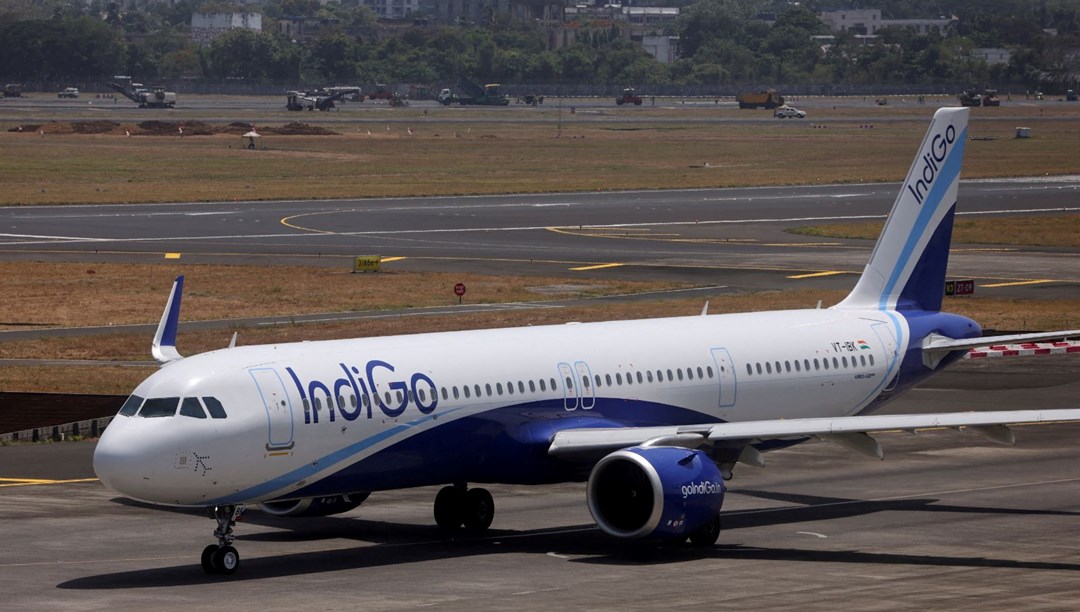
Passenger Plane Encounters Hailstorm in India
A passenger plane in India faced a dramatic incident during its domestic flight when it was unexpectedly hit by a hailstorm. This situation created a wave of panic among passengers, and unfortunately, the aircraft sustained some damage. The airline company confirmed that despite the incident, the aircraft was able to land safely.
Flight Details
According to CNN, the incident involved an IndiGo commercial airplane that was en route from New Delhi, the capital of India, to Srinagar, the largest city in the region of Kashmir controlled by India. The flight usually lasts around 90 minutes, but this journey encountered unexpected circumstances that disrupted the normal course. In a statement from the airline, it was mentioned that the flight crew and cabin staff followed all the necessary protocols to ensure a secure arrival in Srinagar.
Passenger Reactions
When the hailstorm hit, it led to significant panic on board. The damage to the aircraft was acknowledged, although details regarding the specifics of the damage were not provided in the airline’s announcement. However, photos shared with the media and on social platforms illustrated a large hole in the nose of the plane, indicating the severity of the situation.
One social media user, Sheikh Samiullah, documented the chaos during the storm on his X account. He shared that the passengers experienced extreme turbulence, which caused the aircraft to shake violently. In many instances, children were heard crying, and passengers were shouting in fear. Samiullah shared his thoughts with the Press Trust of India, stating, “There was so much turbulence that I thought this would be my last flight. Everyone was convinced we were going to crash. It was such a traumatic experience…”
Despite this harrowing experience, Samiullah expressed gratitude towards the pilot for ensuring a safe landing. His frequent travels by air helped him articulate the anxiety of the moment, yet he conveyed his appreciation for the successful management of the crisis.
Aftermath and Emotional Impact
After disembarking, passengers were confronted with the aftermath of the flight when they saw the visible damage to the aircraft. Samiullah noted that witnessing the damage added to the shock, describing it as even more traumatizing. He further expressed his hope that no one else would have to endure such an experience.
Mary Schiavo, a transportation analyst for CNN, weighed in on the incident, noting that occurrences like this are relatively rare, but hail can indeed cause severe damage to aircraft. She highlighted that both the nose of the plane and the windshield are particularly vulnerable during such events, emphasizing the potential risks involved in air travel under harsh weather conditions.
Safety Measures in Aviation
In light of these incidents, it is imperative to discuss the safety measures adopted by airlines. Airlines are known to implement various protocols that aim to minimize risks when faced with adverse weather conditions. Pilots are trained extensively in handling unexpected turbulence and are supported by advanced weather radar systems that help in foreseeing potential hazards during flights.
Furthermore, the aviation industry continuously invests in aircraft technology to enhance the structural resilience of planes. This includes materials that can withstand adverse weather and sophisticated monitoring systems installed to alert flight crews about incoming weather shifts.
Public Awareness and Future Precautions
It’s essential to increase public awareness regarding the inherent risks associated with air travel, particularly in regions prone to severe weather patterns. Passengers must be informed about the proper conduct during turbulent situations and the protocols established by airlines. Seminars and educational programs focusing on aviation safety can go a long way in preparing both travelers and airline staff to effectively deal with stressful scenarios.
Given the ongoing environmental changes, the potential for severe weather events, such as hailstorms, is likely to increase in frequency and intensity. This requires both airlines and regulatory agencies to proactively establish better crisis management strategies. Enhanced training programs, regular safety drills, and continuous improvements in aircraft design can collectively lead to safer travel experiences.
Conclusion
The recent incident involving the IndiGo flight serves as a stark reminder of the unpredictability of weather conditions in aviation. As the industry seeks to improve flight safety, incidents like these underline the importance of rigorous training, advanced technology, and effective communication between airlines and passengers. While flying remains one of the safest modes of transportation, awareness and preparedness are crucial factors in ensuring a secure environment for all travelers.