
Julian Assange at Cannes: A Statement of Solidarity
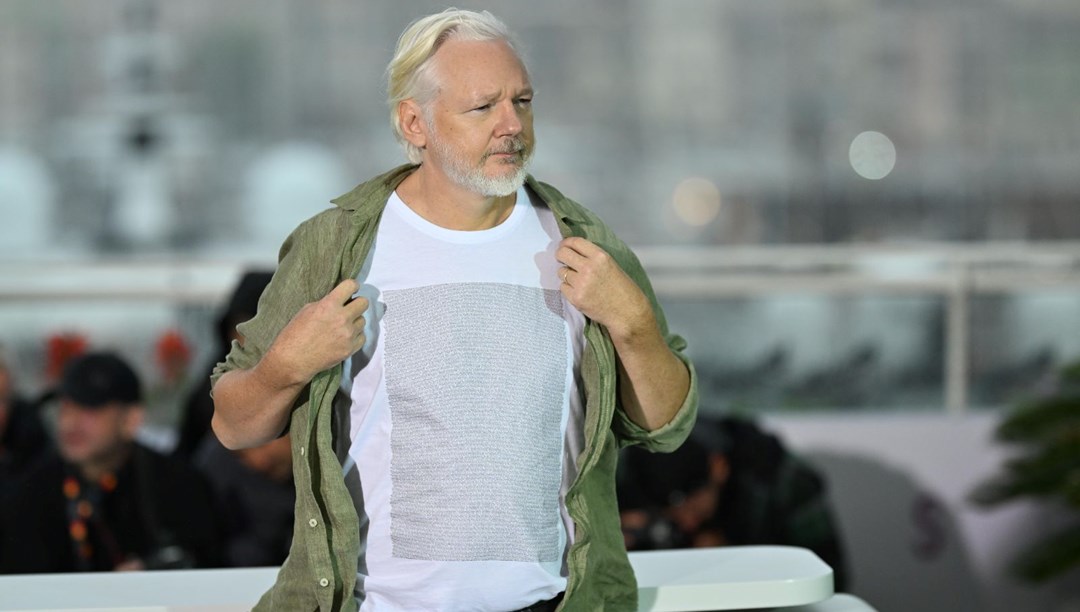
Julian Assange, the founder of WikiLeaks, made a remarkable appearance at the Cannes Film Festival, capturing attention not only for his presence but also for the poignant message he conveyed through his attire. Accompanied by his wife, Stella Assange, and lawyer Jennifer Robinson, Assange posed for cameras, symbolizing a unique blend of activism and cinema.
A Powerful Symbol: The T-Shirt Statement
At the age of 53, Assange took the bold step of wearing a t-shirt emblazoned with the names of 4,986 children killed in Gaza since October 7, 2023. These were not merely numbers; they were individual lives lost amidst ongoing conflict. The t-shirt also featured a powerful message on the back: "Stop Israel." This statement resonated deeply with many, as it highlights the humanitarian crisis in the region, particularly affecting the most innocent victims—children.
The choice of attire at a prestigious event like the Cannes Film Festival was a calculated move, drawing media attention to a crisis that many may choose to overlook. By wearing this t-shirt, Assange aimed to redirect conversation and awareness toward the plight of Palestinian children affected by current hostilities.
Julian Assange’s Legal Journey
Assange’s presence at Cannes wasn’t just a moment of political activism; it also marks a significant milestone in his long and arduous legal journey. Last year, he made headlines by reaching an agreement to confess to violations of U.S. Espionage Laws, which ultimately led to his release. After enduring a 14-year legal battle in the United Kingdom, he was finally able to return to his homeland, Australia.
This legal saga has not only affected Assange but has also raised critical questions regarding freedom of press and the ethical responsibilities of journalists. The implications of his case extend far beyond Assange himself, influencing how whistleblowers and journalists are treated across the globe.
The Documentary: A Journey Through Time
The documentary, featured at Cannes, showcases previously unseen footage, illustrating Assange’s journey from the founding of WikiLeaks to his eventual release. Through personal narratives, interviews, and archival material, the film paints a holistic picture of Assange’s impact on modern journalism and the challenges that come with being a truth-teller in a world rife with misinformation.
This film does not merely recount events; it serves as a reminder of the power of transparent journalism. By exposing hidden government actions and holding powerful entities accountable, Assange and WikiLeaks have reshaped our understanding of truth in the age of digital information.
The Global Impact of WikiLeaks
The establishment of WikiLeaks was a revolutionary step in journalism, marking a significant shift in how sensitive information is disseminated to the public. It has played a pivotal role in exposing human rights violations, war crimes, and government corruption. The platform has empowered whistleblowers from various sectors, allowing them a way to bring crucial information to light without fear of retribution.
However, the repercussions of these disclosures reveal a troubling trend: individuals who dare to expose the truth often face significant legal and personal consequences. Assange’s legal troubles exemplify this unsettling reality and raise critical questions about the ethical obligations of those working within journalistic fields.
Why Does It Matter?
Assange’s case is not merely about a single individual; it embodies larger struggles concerning freedom of expression, government accountability, and the safety of journalists worldwide. By shining a light on the children affected by violence, Assange seeks not only to inform the public but also to invoke a moral imperative for action.
The Cannes Film Festival’s platform is a powerful stage to amplify these issues, bringing global awareness to both Assange’s fight and the ongoing crisis in Gaza. As the message on Assange’s t-shirt suggests, there is an urgent need to confront injustices and stand in solidarity with those whose voices are often silenced.
A Call to Action
His appearance is a reminder that art and activism can intersect meaningfully. The success of such endeavors often hinges upon how effectively they can inspire change and motivate individuals to take action.
The cinematic narrative explored in the documentary serves not only as an account of Assange’s life but also as a call for societal introspection. It challenges viewers to consider their role in advocating for civil liberties, addressing human rights violations, and promoting global peace.
In conclusion, Julian Assange’s presence at the Cannes Film Festival and the documentary that highlights his journey spotlight critical issues surrounding freedom, justice, and the responsibility to bear witness to suffering. His attire served as a vivid reminder of the humanitarian crises that demand attention and action. Through films and public discourse, we are encouraged to engage with these pressing issues and advocate for a world where every voice is heard and protected.