
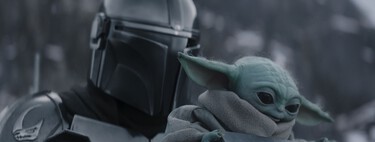
The Disappointing Premiere of ‘The Mandalorian and Grogu’
Memorial Day weekend 2026 should have marked a triumphant return for the ‘Star Wars’ franchise, particularly for Dave Filoni, who has played a pivotal role in its recent revival. However, the release of The Mandalorian and Grogu turned out to be a disappointment. The film debuted with a mere $81 million at the domestic box office, the worst premiere in the Disney era of the franchise. Comparing it to the previous low of Solo: A Star Wars Story, which grossed $84 million during the same holiday weekend in 2018, it’s evident that something is amiss.
Box Office Numbers: A Mixed Bag
While The Mandalorian and Grogu raked in a total of around $163–167 million globally by the end of its opening weekend, the significant 70% drop in earnings by the second weekend raised alarms. This steep decline suggests a lack of enthusiasm that could spell trouble for future installments. Unlike Solo, which carried a hefty production cost of over $300 million and became the first Star Wars film to lose money, The Mandalorian and Grogu was produced at a lower cost of $165 million. Though the financial metrics don’t scream disaster, they certainly reflect a troubling perception of the franchise among audiences.
The Shift in Audience Preferences
Interestingly, the same weekend saw two horror films, Backrooms and Obsession, capturing younger demographics. In contrast, only 27% of The Mandalorian and Grogu’s audience was under 25. This shift in viewership emphasizes that older fans won’t keep the franchise afloat unless newer, younger audiences engage. Understanding this demographic could be crucial for revitalizing the franchise.
Filoni’s Challenge
Dave Filoni has proven his skill in resurrecting lesser-known characters within the Star Wars universe, exemplified by Ahsoka Tano’s evolution from a second-rate character to a fan favorite. However, nostalgia alone is insufficient for the franchise’s future in film. To restore Star Wars to its former glory, Filoni must carve out new narratives that resonate with today’s audience.
New Directions: Star Wars: Starfighter
Looking ahead, Disney’s gamble on Star Wars: Starfighter, scheduled for release in 2027, marks a potential turning point. It aims to introduce fresh faces and storylines, free from the entrenched MandoVerso. This move could either signal a renaissance or further alienate fans who crave continuity.
Taking Cues from Andor
Tom Bissell, a screenwriter for the acclaimed series Andor, provides a vital insight: resist opening the “toy box” and instead create new narratives that aren’t weighed down by established lore. Andor succeeded by exploring timely themes of fascism and resistance without recourse to familiar characters or cameos, earning praise and numerous accolades, including five Emmy wins.
The Future of Storytelling in Star Wars
Perhaps Filoni should reconsider his approach in light of Andor’s success. Instead of relying on entrenched characters and storylines, he may need to prioritize originality and nuanced storytelling. With this shift, Star Wars could cultivate new fans while respecting its roots. By focusing on innovative narratives rather than nostalgia, Filoni might just find the key to rejuvenating a beloved franchise—and, in doing so, take it to new heights.