
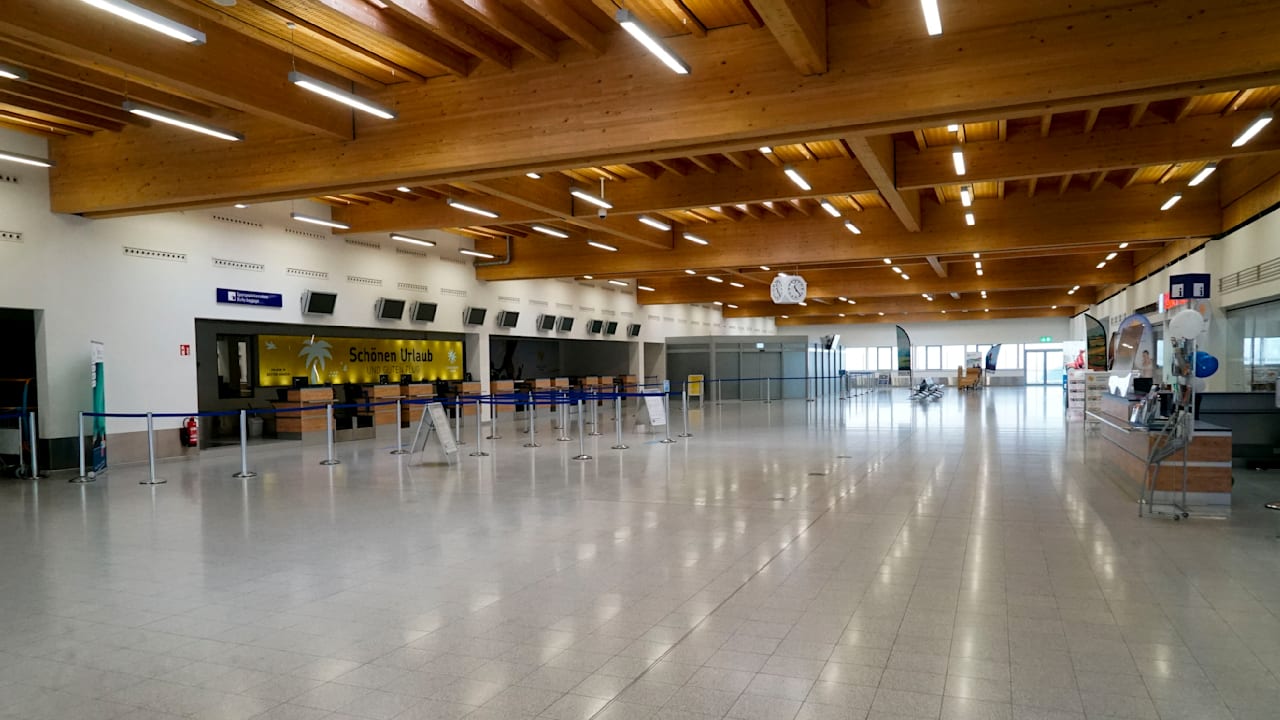
Overview of the Kassel-Calden Airport Dilemma
Kassel-Calden Airport, positioned in Germany’s North Hesse region, presents a paradoxical situation. Despite receiving over €340 million in investments from the state of Hesse, the city of Kassel, and the district of Kassel, the airport struggles with low passenger traffic and operates under unfavorable flight schedules.
Vacation Within Reach
For many travelers, the allure of vacation spots lies within a short flight. Yet, with the current flight schedule, only 35 flights are expected between June 28 and August 15. This includes not just daily flights—some days see no aircraft departing at all.
The Infrastructure and Accessibility
Kassel-Calden’s location offers potential. The airport is strategically situated where four major highways converge, ensuring easy access for travelers from North Hesse, South Lower Saxony, Eastern NRW, and Western Thuringia. Furthermore, travelers benefit from 1400 free parking spaces, which adds to the airport’s appeal.
However, despite this accessibility, the airport’s potential remains largely untapped.
Current Flight Operations
The disappointing flight operations have become a concern. Only four destinations are available: Palma de Mallorca, Bolzano in South Tyrol, Sylt, and Usedom. Additionally, a few special flights operate outside the summer holiday season, indicating that the regional demand for air travel is not being met adequately.
The current schedule reveals a dramatic contrast with major German airports. While Frankfurt Airport operates 590 flights daily, Kassel-Calden can only boast 35 flights over a period of several weeks.
Challenges with Airlines
Many airlines have neglected Kassel-Calden Airport. Some airlines, such as Corendon and Sundair, initially offered services but have since exited, highlighting the airport’s inability to attract and retain major carriers. Currently, the airport is serviced by smaller airlines like Sky Alps and Albastar, which do not contribute significantly to increased passenger numbers.
Last year, Kassel-Calden Airport managed to attract only 82,983 travelers—well below the airport’s design capacity of 700,000 passengers per year. This glaring discrepancy raises questions about the long-term viability of the airport.
Financial Implications
The drawbacks extend beyond limited flight options; the financial implications are severe. Despite the initial investment of €280 million, the airport has faced staggering annual losses. For instance, in 2024 alone, losses reached €5 million, accumulating a total of €60 million since its inception.
Plans were laid out for the airport to become self-sustaining by 2020; however, this has yet to materialize, leading to calls for revisions in strategy.
Government and Community Response
Despite these concerns, the Hessian state government and even opposition parties like the FDP remain committed to supporting the airport. They argue that it serves as a critical job engine, employing about 1,100 individuals directly, with an additional 1,287 jobs linked to firms located on-site.
Moreover, the estimated tax revenues of approximately €73 million exceed the airport’s losses, presenting a strong case for continued investment.
Ultimately, the Kassel-Calden Airport situation emphasizes the challenges regions face in balancing economic investment and air travel needs. As the debate on its future unfolds, stakeholders must weigh the costs and benefits carefully—both for regional development and the broader travel community. Addressing these challenges effectively may require innovative strategies, alliances with major airlines, and potentially a reevaluation of service routes to ensure this airport thrives instead of merely surviving.