
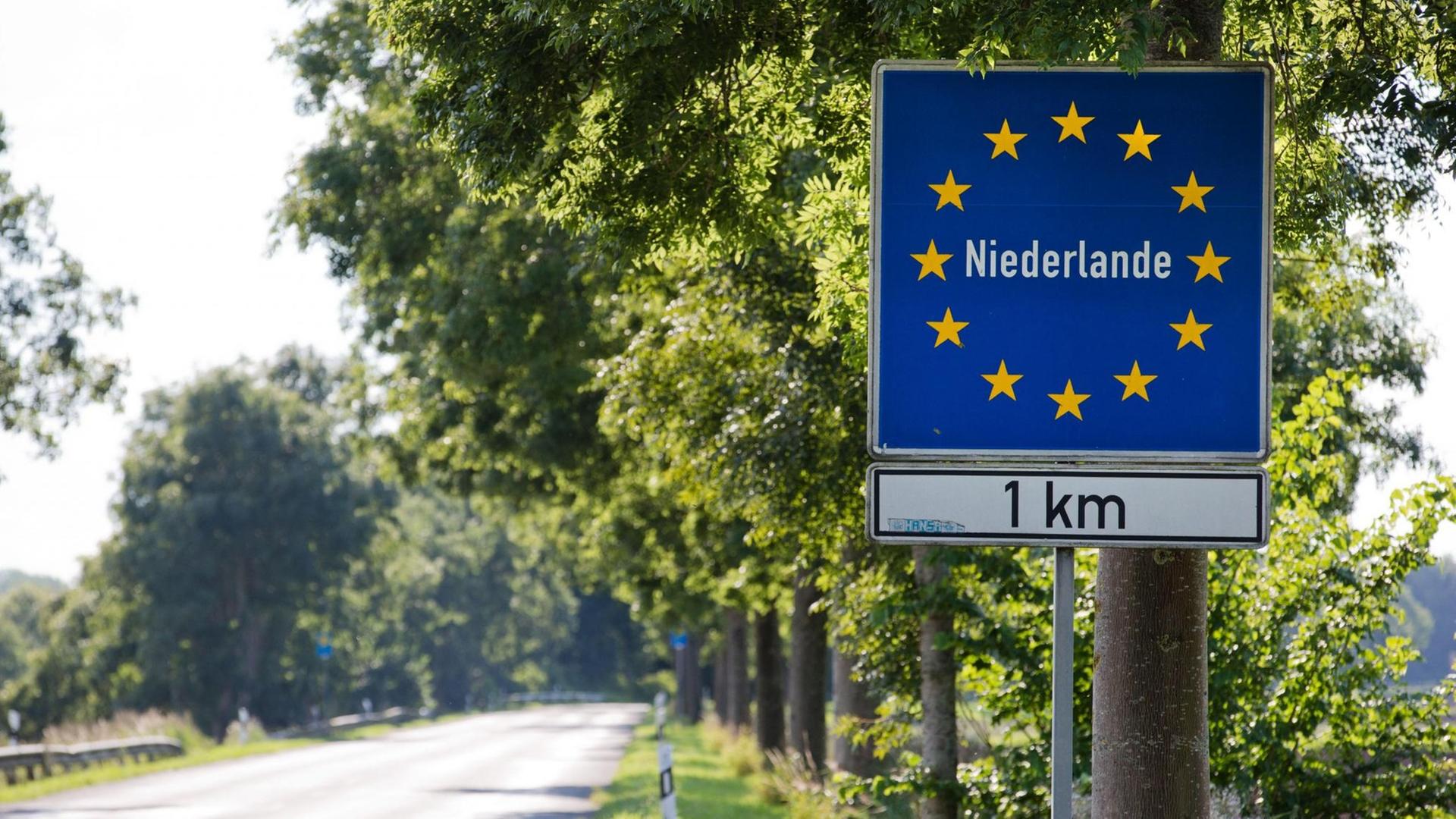
Border Tensions: Citizen Patrols and Political Reactions in Germany and the Netherlands
Recent developments at the German-Dutch border have sparked intense discussions about migration control and civil activism. Reports indicate that locals in Haren, Germany, undertook to set up informal car checks on the federal highway 408, which leads to the central reception facility for refugees in Ter Apel, Netherlands. This grassroots effort has raised eyebrows among officials and citizens alike.
Equipped with warning vests and flashlights , these volunteers aimed to scrutinize vehicles for potential undocumented migrants. While proponents argue that such initiatives reflect a growing concern over migration, government officials have publicly condemned these actions. The acting Migration Minister , van Weel, issued a stern warning to the public, urging citizens not to take the law into their own hands. The police have also reiterated that unauthorized patrols are illegal and could lead to severe consequences.
This grassroots patrol was ignited by ongoing frustrations within the Dutch populace regarding rising numbers of migrants. With so many people crossing borders in search of safety and stability, it is no wonder that fears and tensions have escalated. The local government’s of both countries are under pressure to maintain border security while addressing humanitarian needs.
Political Reactions: A Divided Response
Following the controversial patrols, the political rhetoric has intensified on both sides of the border. Notably, Geert Wilders , a prominent right-wing politician in the Netherlands, referred to the grassroots initiative as a “fantastic initiative” amidst the ongoing debate over migration policy. This comes in light of Wilders’ recent announcement that his party is withdrawing from the four-party coalition government , citing dissatisfaction with current immigration policies.
Wilders and his supporters claim that the government’s approach to migration has become too lenient and fails to adequately address the concerns of ordinary citizens. On the other hand, advocates for human rights assert that the situation highlights the urgent need for collaborative, international solutions to migration rather than unilateral actions by citizens.
This dichotomy in public sentiment underscores not just a political divide but a cultural one as well. Many citizens feel increasingly vulnerable and believe their security is at risk due to an influx of migrants. Conversely, other segments of the populace advocate for compassion and understanding, urging that these individuals need protection and assistance.
Police and Control Measures
In response to these unofficial car checks, police presence has notably increased in the area. Authorities are conducting spot checks and monitoring activities near the border to ensure that law and order are maintained. The police have advised local residents to report suspicious activities but have discouraged them from taking direct action themselves.
Law enforcement officials are urged to act as mediators between conflicting viewpoints and ensure that both migrant rights and the safety of local communities are prioritized. Striking this balance is imperative, especially as tensions rise and citizens take to informal measures in response to perceived governmental inadequacies.
A Broader Context: Migration Policies in Europe
The situation at the German-Dutch border is part of a broader narrative surrounding migration policies in Europe. Many countries face significant challenges related to asylum seekers , economic migrants, and internal divisions concerning how to address these issues. In recent years, nationalist sentiment has surged in various parts of Europe, leading to stricter border controls and, in some cases, hostile attitudes toward migrants.
In an era where global migration is increasingly complex, it is crucial to consider multilateral solutions that account for both the needs of migrants and the concerns of local communities. The response from citizens, government officials, and law enforcement will be critical in shaping the future nature of borders and migration in Europe.
The recent events at the German-Dutch border serve as a litmus test for how societies navigate the intricacies of migration and local sentiments. As grassroots movements emerge and political tensions heighten, it remains vital for governments to address these challenges holistically while remaining committed to humanitarian values . Failure to create effective and compassionate policies could lead to further grassroots unrest and a deepening of societal divisions.
General News – 2