
Germany’s Disappointing Exit from the 2026 World Cup
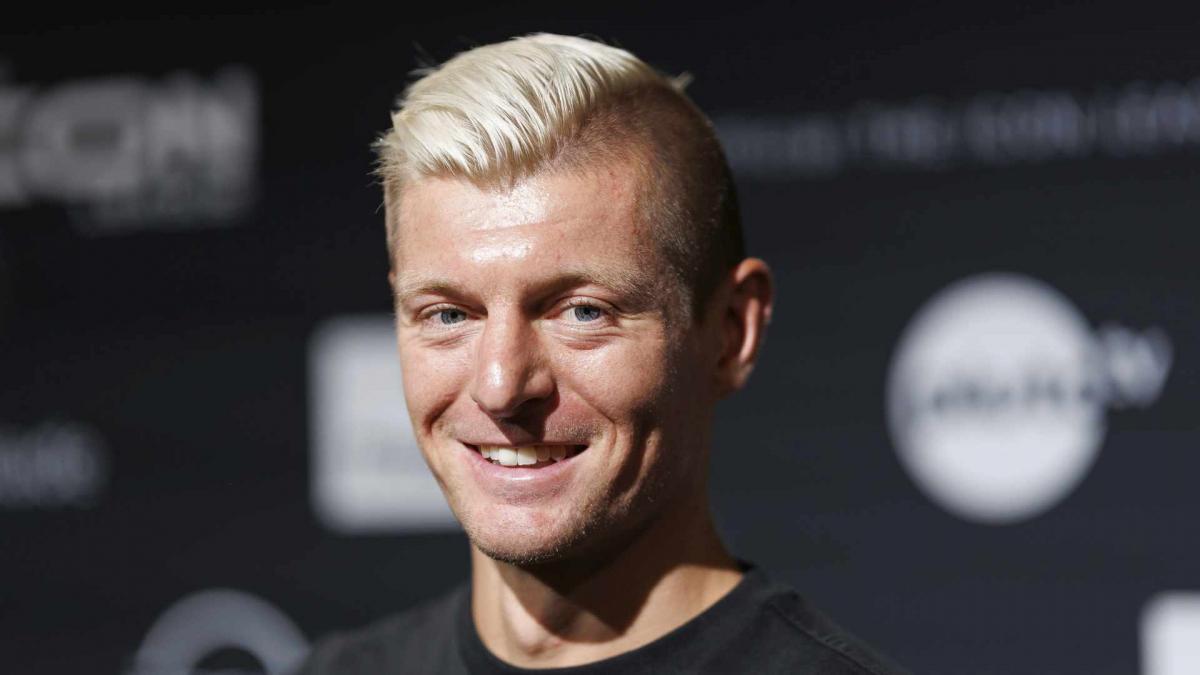
The 2026 World Cup was set to be a monumental event for football fans around the world, but for Germany, it became a source of disillusionment. Following a shocking elimination in the round of 16 by Paraguay, the German national team’s aspirations crumbled in a tense penalty shootout after a 1-1 draw. Reactions have poured in from fans and pundits alike, with former midfielder Toni Kroos offering pointed critiques in his podcast, Kroos & Kroos: The World Cup under the Microscope.
Toni Kroos’ Take on the Team’s Performance
Kroos did not hold back in his assessment of the situation, expressing disbelief over the team’s early exit. He lamented that Germany lacks “no world-class players,” highlighting a significant gap in leadership that has historically defined German football. This absence of standout players capable of making game-changing plays in crucial moments has left a void that Kroos believes the team has yet to fill.
Kroos stressed the challenge facing several young international players who show potential but have not yet proven themselves at major competitions. His comments underline a growing concern regarding the youth pipeline in the German football system—a system that once produced stars like Franz Beckenbauer and Miroslav Klose.
Pressure and Performance: A Shift in Dynamics
Another point of contention raised by Kroos is the team’s inability to elevate its performance under pressure—a stark contrast to previous generations of German footballers. In challenging situations, these past squads were known for their resilience and tactical discipline. With the current squad, however, the lack of experience has become painfully evident. The team often failed to capitalize on scoring opportunities, and their defensive organization crumbled during moments of high stakes.
Coaching Challenges Under Julian Nagelsmann
Tactically, head coach Julian Nagelsmann has come under scrutiny. Support for certain players—such as Deniz Undav and Jamal Musiala—has raised eyebrows among critics. Moreover, Nagelsmann’s continued faith in veteran goalkeeper Manuel Neuer in the face of his recent struggles has sparked controversy. Many are questioning whether these choices contributed to the shorter-than-expected World Cup journey for Germany.
As discussions continue, it is clear that the German football federation has significant lessons to learn from this experience.
Looking Ahead
With the early exit from the 2026 World Cup, the focus will now be on restructuring and redefining the future of German football. The German federation needs to address both the tactical missteps highlighted by Kroos and the systemic issues that have stalled the growth of emerging talent.
As the team licks its wounds, the sheer volume of disappointment among fans reflects a yearning for the return of the German powerhouse—one that can once again compete at the highest levels of international football. The message from Kroos resonates: without world-class talent and proven leaders, the path to success is fraught with challenges. Football fans around the globe will be watching closely to see how Germany responds to this disheartening chapter in its storied football history.