
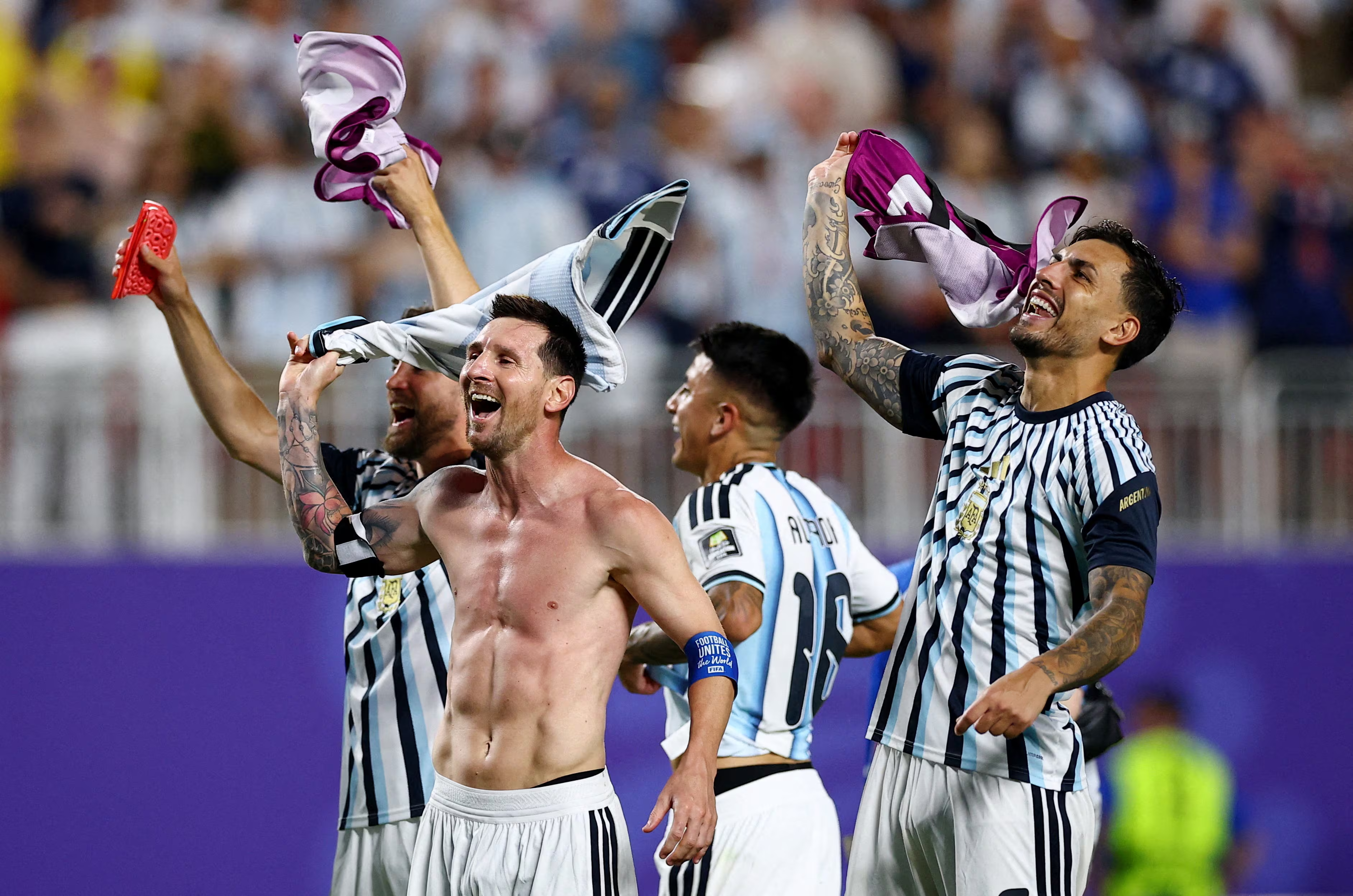
The Delirious Theories Surrounding Messi and Zionism
Messi and the Allegations of Zionism
In recent discussions around Argentina’s performance in international football, a particularly bizarre theory has surfaced: the claim that Lionel Messi is a Zionist and that this lends undue favor from FIFA. This narrative has gained traction amidst a wave of criticisms against Argentina, suggesting that Messi’s supposed Zionist ties are intricately linked to his team’s success.
The underlying argument posits a conspiracy involving FIFA and international politics in which Messi is seen as a pivotal player benefiting from external influences. Such theories proliferate in sports, particularly given the emotional and nationalistic fervor surrounding events like the World Cup.
The Mechanism of Conspiracy Theories
Understanding the genesis of such theories often sheds light on broader societal tendencies to attribute misfortune to “dark powers” at play. Online platforms amplify these sentiments, turning them into widely accepted beliefs. Discussions around Argentina’s matches highlight this phenomenon, as evidenced by various claims ranging from favoritism during penalty calls to shoddy refereeing decisions.
For instance, conspiratorial thinking has floated claims that Messi’s career was enhanced by a supposed connection to Zionism, referencing his visits to Israel and pointing out that he has not publicly condemned conflicts surrounding the region. Critics argue he has stayed silent on crucial humanitarian issues, fueling speculation about his affiliations.
The Role of Influencers in Disseminating This Theory
A recent conversation involving an influencer known for his outreach in the Muslim world adds another layer to the discussion. Canadian magnet Sallar Rasoul posed a question regarding the morality of supporting Messi, asserting that the topic is “debatable.” His vague acknowledgment of Messi’s alleged connection to Zionism has further stirred the pot and lent some credence to conspiracy-minded narratives among his followers.

Dissecting the Arguments Behind the Conspiracy
The claims that Messi is a Zionist are built on shaky foundations, pulling together various points such as:
- Referee Decisions: Critics argue that Argentina has received more penalties than other teams, suggesting a bias in officiating.
- Personal Decisions: Messi’s visits to Israel and public photos with international leaders have been used to insinuate conspirational ties.
- Silence on Global Issues: The fact that Messi has not spoken out on certain political matters is presented as evidence of complicity.
However, while these points may hold some weight independently, joining them to formulate a conspiracy lacks robust evidence.
Contextualizing Footballing Decisions
Many of the officiating issues mentioned can be debated on rational grounds. Professional referees have often defended controversial decisions. The “debatable elements” around penalties and goals show that football, like politics, is filled with gray areas where subjectivity plays a massive role.
Furthermore, the emotional aftermath of losses magnifies these sentiments. Egyptian fans, for example, have expressed feelings of betrayal after losses involving Messi, feeding into the narrative of a “Zionist conspiracy” against them.

Conclusion: A Call for Rational Discourse
As Argentina battles through the tournament, the mix of footballing prowess and entrenched conspiracy theories demonstrates the fragility of public perception in the face of complex realities. Football, meant to unite and inspire, has become a breeding ground for divisive narratives.
So, as we look toward the future, let’s demand evidence, context, and most importantly, rational discourse around players like Messi, who should be judged solely on their sporting achievements rather than unfounded allegations about their personal beliefs or affiliations.
In these tumultuous times, perhaps we should embrace the passion for the game while steering clear of the murkiness of conspiracy theories.