
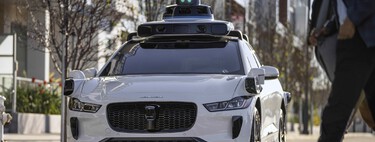
In a recent incident in San Bruno , California, police officers pulled over a Waymo Robotaxi for making an illegal turn at a traffic light. However, they were forced to let the autonomous vehicle go without issuing a citation. This peculiar situation highlights a significant legal vacuum surrounding autonomous vehicles, raising important questions about responsibility, liability, and the need for updated legislation.
Why This Incident Matters
This event may seem trivial—a simple illegal turn—but it underscores a much larger issue in the realm of automotive technology. As autonomous vehicles proliferate, there arises the question of accountability : who is responsible in the event of a deadly accident involving an autonomous car? This legal gray area poses potential risks to public safety, as it remains uncertain who may face repercussions following an autonomous vehicle-related incident.
The Current Landscape
California has been at the forefront of autonomous vehicle regulations for years, yet the traffic code has not kept pace with rapid technological advancements. Existing laws require a responsible driver to impose fines or sanctions for traffic violations. Consequently, when an autonomous vehicle commits an infraction and there is no driver onboard, the lack of legal frameworks renders enforcement impossible.
- Officers involved in the recent stop reached out to Alphabet , the parent company of Waymo, but could not issue any citation.
- The San Bruno Police Department acknowledged on their Facebook page that their fine forms do not include a “robot” option, highlighting the flaws in current legislation.
- The department is now “preparing legislation” that would allow police officers to issue citations to the company, with hopes of having it enacted by July 2026 .
This scenario emphasizes that the core issue isn’t a technical one, but rather a political and judicial challenge. Technology companies are advancing the deployment of their autonomous fleets far quicker than legislative bodies can adapt to new realities. The resulting gap not only creates bizarre situations but also leaves citizens potentially unprotected from severe accidents.
The Fundamental Dilemma
One critical question looms large: If a Waymo vehicle were to cause a fatal accident, who would be held accountable? Would it be the algorithm that operated the vehicle? The engineer who programmed it? Or perhaps the CEO of the company? As of now, no definitive answers exist.
It is important to differentiate between criminal responsibility , or who would go to jail, and civil liability :
- If a fatal accident were to occur, the family of the victim would not face a legal dead end. They could pursue a claim against Waymo , affirming the company’s status as the entity ultimately responsible for the vehicle.
- The goal of such litigation would not be imprisonment, but rather significant financial compensation for the damages incurred, based on established principles like product liability or negligence .
The pressing concern isn’t whether someone would ultimately be held financially accountable, but how to integrate a criminal code designed for human actions to account for the autonomous decisions made by machines.
Global Context
This legal vacuum is not unique to California; rather, it reflects a worldwide challenge as autonomous vehicles gain traction in various countries. Legal systems must confront the pressing question of how to address the actions of machines that operate without the capacity for self-defense, cannot be imprisoned, and lack personal intent.
As we journey further into the age of autonomous technology , the dialogue surrounding responsibility, regulation, and public safety is more critical than ever. The legal frameworks must evolve to protect citizens while simultaneously allowing innovation to flourish. Addressing this fundamental issue will ensure that as we embrace autonomous technology, we also maintain a sense of accountability and security.
For now, the ongoing debates and developments in legislation will be crucial in determining how society will navigate this uncharted terrain. Stakeholders—including lawmakers, technologists, and the general public—must engage in meaningful discussions to forge a safer and more responsible future for transportation.