
Rodney Brooks: The Skeptic Behind Humanoid Robots
In a world increasingly fascinated by humanoid robots , Rodney Brooks, co-founder of iRobot and a leading figure in robotics, presents a stark cautionary view. While industries like Tesla and newer ventures such as Figure chase the dream of human-like robots, Brooks warns that this ambition may be nothing more than a bubble poised to burst. His extensive experience, honed over decades at MIT, informs his skepticism regarding the feasibility of ubiquitous humanoid robots in everyday life.
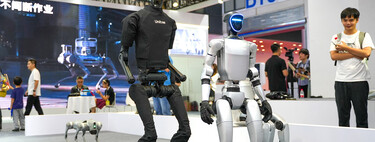
<img alt="China is selling us a future full of humanoid robots. We have (many) doubts" width="375" height="142" src="https://i.blogs.es/9bc3bb/_1060692723_humanoid-chinadaily/375_142.jpeg"/>The Bottleneck of Skill
According to Brooks, an insurmountable hurdle in developing functional humanoid robots is the ability to mimic human dexterity . For instance, the intricate movements of a human hand present a significant challenge; our hands have 17,000 specialized tactile receptors , capable of detecting pressure, texture, and vibration. This level of sensitivity remains nearly impossible to replicate in current robotic systems.
Insufficient Training Data
Brooks elaborates that the training data available is not sufficient to bridge this gap. While technologies such as language recognition and image processing have progressed, they differ significantly from the tactile and dexterous abilities humans exhibit. He emphasizes that simply analyzing videos of humans performing tasks does not guarantee that robots will learn the necessary skills to perform those tasks effectively.
A Tactile Experiment
To bolster his argument, Brooks references a compelling experiment in which a person’s fingertips were anesthetized to evaluate the impact of touch sensation on task completion. In this study, the subject took four times longer to perform a simple action, such as lighting a match, without the ability to feel. Brooks asserts that this innate sense of touch is irreplaceable and highlights the limitations robots still face in performing fine motor skills .
Safety Concerns with Humanoid Robots
Beyond the technical challenges, Brooks also raises significant safety concerns about humanoid robots. He notes that their maintenance requires substantial energy, and should they fall, the resultant kinetic energy can pose serious risks. The weight and speed at which these robots operate could amplify harms, depending on the conditions that affect their kinetic energy . Therefore, the operational safety of humanoid robots remains a pressing issue that cannot be overlooked.
Robots Aren’t the Humanoids We Envision
Rather than the humanoid robots that popular culture might depict, Brooks predicts that the future will see robots that are entirely different. He envisions a landscape dominated by machines with wheels, multiple arms , and specialized sensors. These robots, equipped with industrial tools rather than human-like features, are more likely to become a reality in the next 15 years. Brooks is adamant that the immense financial investments currently being funneled into humanoid robotics will not yield the anticipated mass production of human-like machines.
China’s Commitment to Humanoid Robotics
Despite Brooks’ warnings, it’s evident that China is heavily betting on the future of humanoid robots. Although current models are limited in functionality, the scale of investment and progress in this sector is undeniable. China’s unwavering commitment raises an important question: will the barriers related to human-like skills and tactile perception prove insurmountable in the long run?
With Brooks’ distinct outlook on humanoid robots juxtaposed against global investment trends, future developments in this field remain uncertain. As innovation continues to unfold, only time will reveal whether the aspirations for humanoid robots will be met or if they are destined to remain a dream, unfulfilled.
The immense strides in technology and investment highlight a fascinating dichotomy in perspectives. As we tread this ambiguous path together, finding equilibrium between skepticism and innovation may prove essential. Only by addressing the complexities involved in creating humanoid robots can we truly gauge the viability of this captivating technology.