
Warnings Activated: Wind, Fog, Rain, and Waves Impact Spain
The adverse weather conditions sweeping across Spain today have resulted in multiple warnings across a dozen provinces and the autonomous city of Melilla. The State Meteorological Agency (AEMET) has issued orange and yellow alerts due to a mix of strong winds, heavy rainfall, high waves, and fog banks.
Current Temperature and Frost Conditions
As temperatures plummet to a chilling 1°C in Palencia, weak frosts persist particularly in mountain areas, signaling a severe weather day. This drop in temperature adds to the growing list of challenges, particularly affecting regions known for their agricultural activities and outdoor engagements.
Coastal Challenges: Waves and Rain
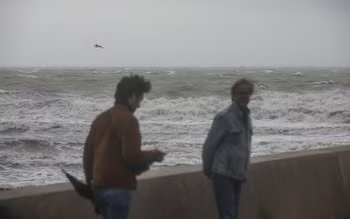
Regions such as Asturias, Cantabria, A Coruña, Lugo, Pontevedra, Guipúzcoa, and Vizcaya are under alerts for dangerous wave conditions. The Atlantic front is causing high waves and persistent winds, especially alarming along the Galician and Cantabrian coasts. Additionally, A Coruña and Pontevedra are on yellow alert due to rain forecasts, with the potential for heavy downpours, a concern echoed in Melilla.
Fog Across the Plains
Foggy conditions are also a significant concern today. Yellow warnings have been issued for Ciudad Real and Badajoz, where low visibility poses a challenge for travelers. These fog banks mainly affect areas within the plateaus, the Guadalquivir basin, and the eastern inland regions, complicating travel plans during the early hours.
Weather Variations in Different Regions
In Galicia, the Atlantic front brings more than just rain; it leads to overcast skies and poses a risk of strong wind gusts, especially in coastal and mountainous areas. Meanwhile, the Mediterranean regions are expected to stabilize throughout the day, albeit with persistent low cloud cover that could lead to rain and isolated storms.
The Balearic Islands will experience cloudy intervals and isolated rain, while the Canary Islands enjoy relatively mild conditions with sporadic light rainfall, particularly in northern regions.
Temperature Fluctuations and Wind Patterns
According to AEMET, maximum temperatures across the Cantabrian Sea, southern Iberia, and the western Northern Plateau are rising. In contrast, lower maximums are observed in the southern slopes of the Central System. Wind patterns are varied, with southern winds bringing strong gusts in Galicia and the elevated areas while moderate east to northeast winds affect the eastern coasts and Balearic Islands.
Precautions and Recommendations
Given the current atmospheric conditions, AEMET urges the public to remain vigilant. Monitoring updates through official channels is crucial as the weather may change rapidly. The combination of varied weather phenomena poses substantial risks, especially for maritime navigation and those traveling along the northern and western coasts.
Conclusion: Outlook Ahead
As Spain grapples with these weather challenges, the situation remains dynamic. While some areas may see a transition toward more stable conditions, many provinces will continue to be under threat from various adverse weather phenomena. Awareness and adherence to warnings are essential to ensure safety in these unpredictable conditions.